
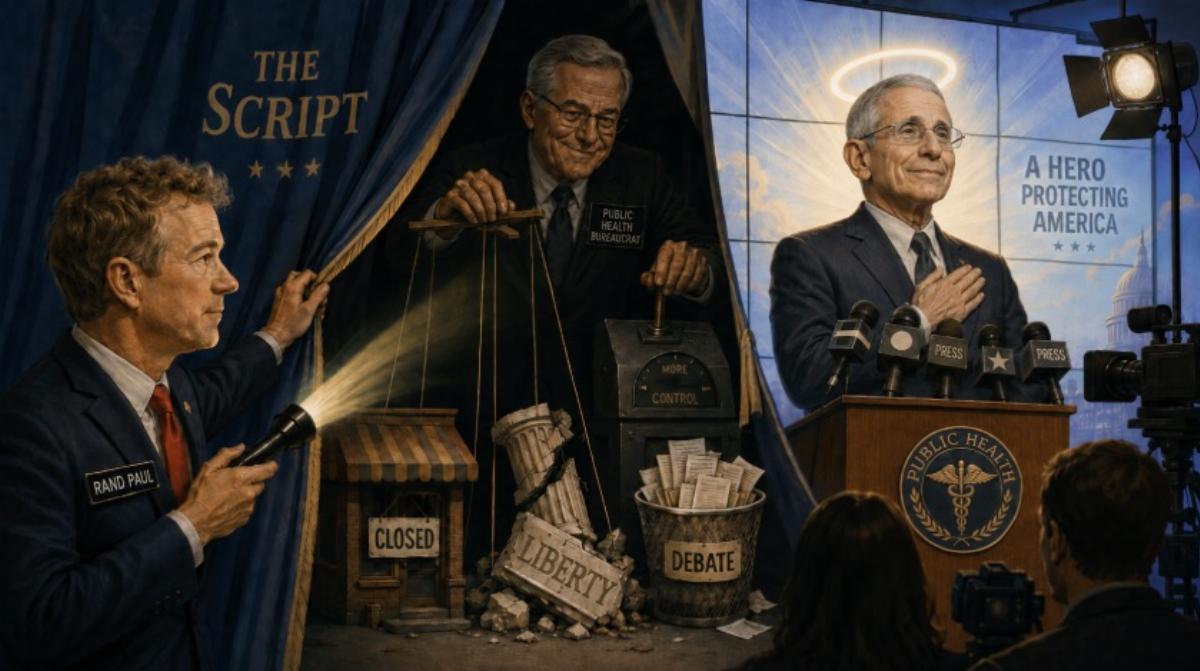
There was a time when fiction carried the burden of being plausible. A novelist had to construct a believable arc, respect the laws of cause and effect, and ensure that characters acted within the bounds of recognizable human motivation. Today, that boundary has dissolved entirely. The reality we are asked to accept on a daily basis is so far removed from common sense, basic logic, and observed experience that standard fiction no longer has the vocabulary to capture it.
Read more Is Ceuta like Del Rio?
Truth has not merely become stranger than fiction; it has become so unrecognizable that ordinary citizens find it difficult not only to fathom, but to contend with.
Consider the narrative arc of the modern bureaucratic public servant. In a well-scripted drama, a villain reveals themselves through clear, identifiable motives—greed, malice, or a overt grab for power. But in our current reality, the transformation is far more insidious. How indeed could an administrative official, shielded by decades of institutional immunity, so completely disguise his activities that he could be crowned the heroic savior of the nation one day, only to be exposed later as the central architect of a devastating institutional betrayal?
A plot so destructive to the country’s core beliefs, individual liberties, and fundamental sense of direction would be rejected by any fiction editor as absurdly heavy-handed. Yet it unfolded in broad daylight, driving policy, shuttering businesses, and silencing scientific debate.
The reason such a grotesque inversion of reality could occur—and endure—is that the modern media apparatus has proven to be more Machiavellian than anyone could have previously imagined.
Read more Martial arts teach kids what the internet never will
Niccolò Machiavelli observed that the prince need not actually possess noble virtues; he merely needs to appear to possess them, using whatever deception is required to maintain state power. Modern media has perfected this principle into an industrial science. It does not exist to report facts as they occur on the ground; it functions as a narrative management system designed to enforce compliance, manufacture consent, and insulate preferred authority figures from empirical scrutiny.
When the official narrative collided with real-world evidence, the media did not recalibrate. It doubled down. It weaponized moral outrage, labeled honest inquiry as “disinformation,” and turned the fundamental mechanism of human reason—asking for proof—into a civic offense. Through repetition, selective reporting, and outright suppression, it created a mirror-house of artificial surfaces where the signal of virtue completely replaced the substance of truth.
The most terrifying aspect of this condition is not just that the deception occurred, but that the apparatus continues to thrive. Despite being repeatedly caught in contradictions, despite the exposure of internal emails and legislative admissions, the machinery of narrative management marches on without missing a beat. It operates without shame, because in a world severed from historical origin and accountability, survival is simply a matter of maintaining the script.
When fiction loses its tether to reality, we close the book. But when truth itself is rendered unrecognizable by an institutional press dedicated to power over reality, the individual is left with a stark choice: surrender to the manufactured illusion, or anchor oneself firmly in the primary ground of observed facts, personal judgment, and unyielding common sense.
Read more Consumer sentiment during the COVID lockdowns
We owe Senator Rand Paul an enormous thanks.
Image created using AI.