
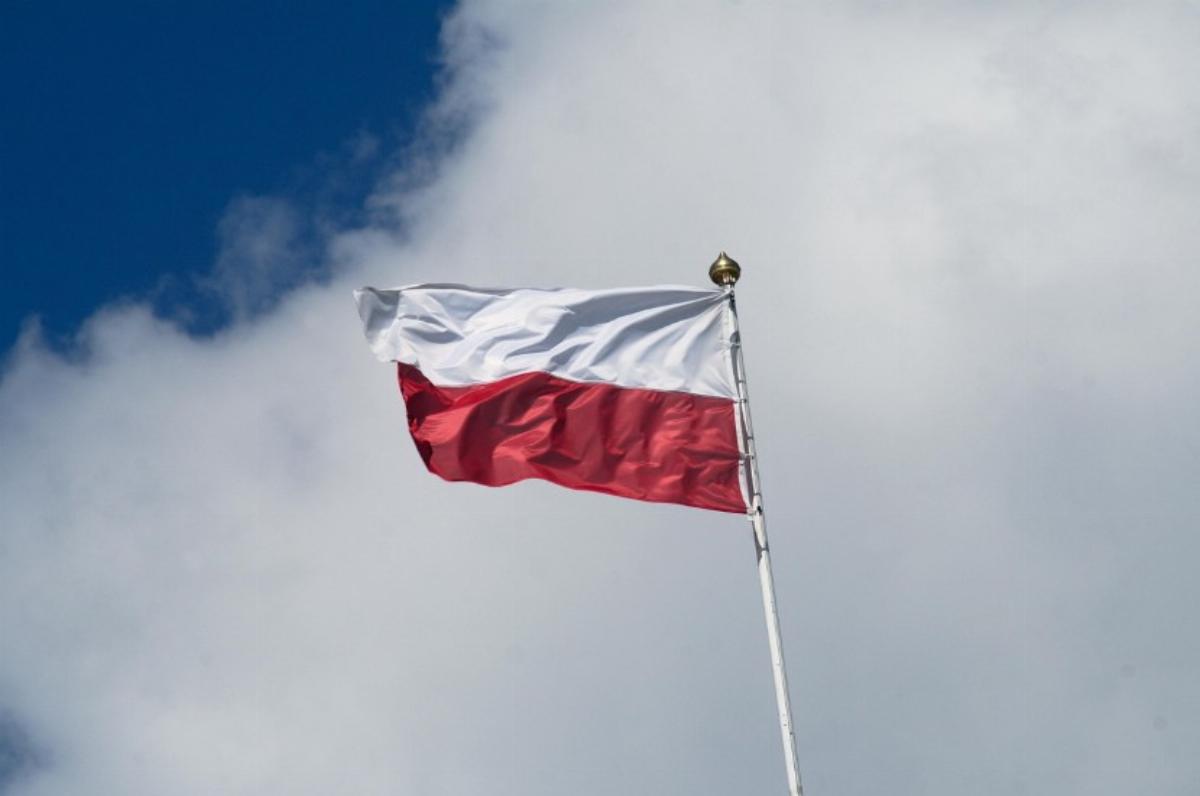
President Trump invited Poland to the G-20 in Miami this December as a guest. The next step should be clear: Make Poland a permanent member — not as a favor to Warsaw, but because the forum should reward countries that have earned their place.
Read more Mamdani publlshes two new lists of name-doxxings in his grand hunt for the Kulaks
The G-20 brings together major economies to address global challenges. But not every large economy should be at that table. The question is simple: What should membership require?
Membership should reflect economic competence, reliable participation, and a willingness to work constructively toward shared goals. Not outdated tradition. Not size alone. Merit should matter.
Not every large economy meets that test. Poland does.
Poland has transformed its economy through competitive taxation, labor-market reform, and openness to investment. The results are concrete. These choices helped grow nominal GDP from roughly $160 billion in 2000 to more than $1 trillion by 2025.
For two decades, the country has averaged nearly 4 percent growth. Germany’s growth has stalled. France struggles with weak growth and persistent unemployment. Italy remains trapped in low growth. Poland’s is a major economy that works.
Competence alone does not explain why Poland belongs in the G-20. The G-20 coordinates on energy security, supply chains, technology, and the international financial system. These decisions influence whether democracies or autocracies shape the future of the global economy. At a time when China is using economic power to rewrite the rules of global commerce, the composition of the G-20 matters more than ever.
Poland shares American concerns about China’s attempts to reshape supply chains away from democratic allies. Poland understands the threat Russia poses to European security. Poland supports open markets and democratic governance. The G-20 increasingly shapes the competition between open and closed economic systems, so Poland’s commitments in this regard should be welcome.
Poland’s inclusion would strengthen everyone at the table. The United States gains a reliable partner on energy, technology, and supply chains. Poland gains the ability to shape rules that will affect its future. The G-20 gains the perspective of a major economy that has turned economic transformation into strategic strength.
Read more The appeal of socialism: a return to the womb
Poland spends 4.7 percent of its GDP on defense — the highest in NATO, outpacing Estonia and the United States. The country is undertaking one of Europe’s most ambitious military modernization programs, including purchases of American-made F-35 fighter aircraft and air defense systems.
Poland shares roughly 400 miles of frontier with Belarus and Russia’s Kaliningrad exclave. It is NATO’s frontline state. Troops deployed to the eastern flank. American military personnel hosted. The threat should be treated as an operational reality, not a theoretical concern.
Poland is becoming a hub for advanced manufacturing and innovation. As China works to reshape global supply chains away from democratic allies, the United States cannot afford dependence on hostile powers for critical goods. Poland offers an alternative — an economy that is growing, investing, and aligned with American interests.
The current G-20 agenda emphasizes regulatory reform, energy security, and technological innovation. Poland embodies this agenda. Competitive taxation and labor-market flexibility keep regulatory burdens low. Aggressive investment in energy infrastructure and advanced manufacturing is underway. Semiconductor and defense-technology capabilities are being built to compete with China.
Poland did not succeed by managing economic outcomes from above. It succeeded by creating conditions for private enterprise to flourish. That approach is the foundation of Trump’s economic agenda. It is what the G-20 should model and encourage globally.
The G-20 should not be a museum preserving yesterday’s economic order. It should be a coalition of countries building tomorrow’s prosperity. President Trump has five months before the Miami summit to build consensus among G-20 members. He should make Poland’s permanent membership a priority.
James Carter is a principal with Navigators Global. Previously, he served as deputy undersecretary for international affairs at the U.S. Department of Labor.
Read more Could getting rid of the Senate benefit Republicans?
Image via Pixabay.