
Two hundred fifty years ago, we launched a revolution to ensure that decisions about our future weren’t made a kingdom away. As we celebrate that milestone, it’s worth asking: What does independence look like now?
Read more The Knicks championship run: Sports remains the greatest unifier
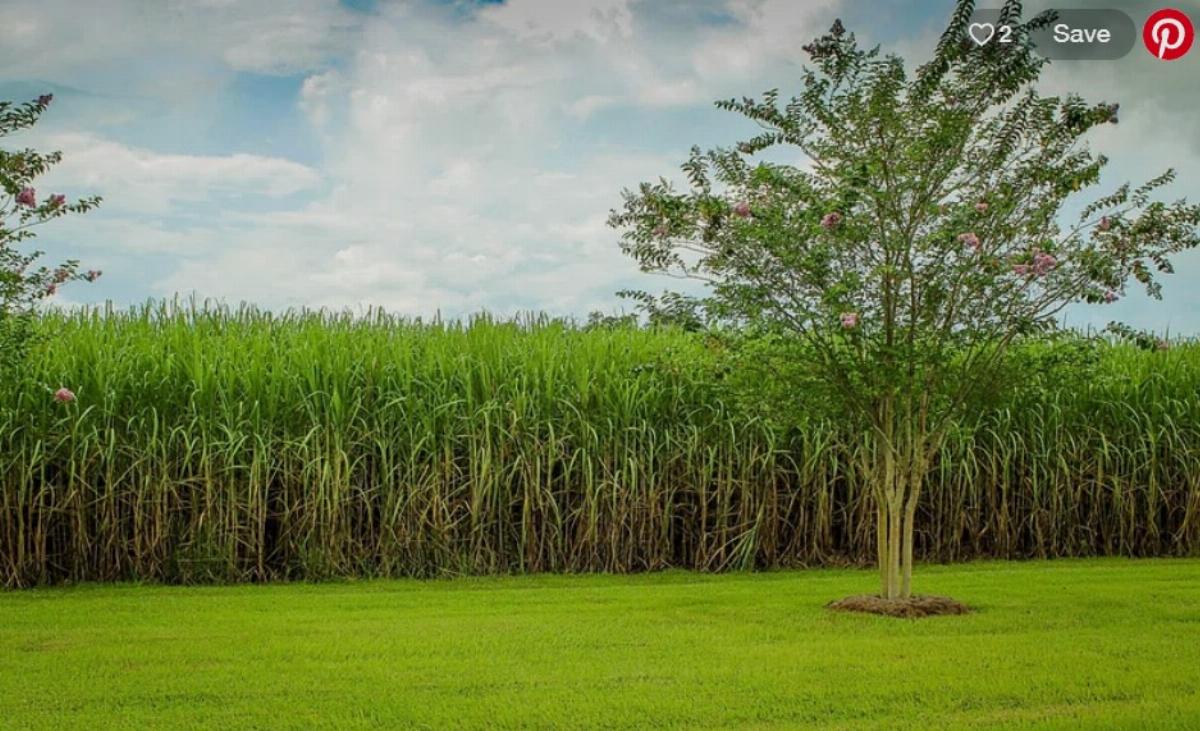
One aspect of American independence is a reliance on our ability to provide food and fiber for ourselves. That’s been made possible by American farmers and ranchers. America’s early agrarian spirit gave our country a foundational belief in self-sufficiency, hard work, and freedom from foreign control.
But today, in a world of fragile supply chains and foreign government–backed industries, this founding ethos is under growing strain. Surging input costs are hurting family farmers across the board. Record numbers of family-owned farms are shuttering their operations, and future outlooks are just as harrowing.
Meanwhile, foreign governments are playing a different game. Brazil and India are pumping billions in annual government subsidies into their sugar industries, dumping artificially cheap sugar onto world markets, lowering the global price of sugar below the cost of production, and eventually undercutting American growers who compete without that backstop.
At home, outdated trade policies are making the problem worse. Current tariff structures are no longer aligned with market realities, allowing excessive volumes of subsidized foreign sugar to enter the United States. Last year alone, roughly 1.5 billion pounds of excess imports entered the market, undermining American producers and costing them billions in lost income. Overall, American sugarbeet and sugarcane farmers have lost an estimated $3 billion in potential income over the past two years due to these conditions.
American farmers finally have a lifeline in President Donald J. Trump, who is delivering on his pledge to put American workers and American farmers first. He understands how unfair trade practices put our farmers and industry at a clear disadvantage. His administration has deployed a successful America-first trade strategy spearheaded by U.S. Trade Representative Jamieson Greer. Ambassador Greer has skillfully executed the president’s trade agenda and acted on the fervent need to protect our national security and farm economy through executive actions and tariffs aimed at combating special and differential treatment for global competitors.
President Trump and USDA secretary Brooke Rollins have also answered the call to put American farmers first by issuing the much-needed Farmer Bridge Assistance (FBA) Program. Announced in December 2025, the FBA included assistance to help sugarbeet and sugarcane growers manage market disruptions and increased production costs they endured in 2025. Although necessary, government assistance is never meant to make a farmer whole after suffering losses.
Read more If you like your air conditioner, can you keep it?
Assistance packages only treat the symptoms, not the root cause. Congress needs to take bold action to protect American food security and eradicate the threat. That includes creating a permanent solution for the outdated and ineffective over-quota sugar tariffs to respond to unfair predatory trade practices. Until Congress acts, the administration should take immediate action to prevent over-quota sugar imports from flooding the U.S. market and putting American farms and food production facilities out of business.
We can restore our agricultural sovereignty through fair trade policies that strengthen our farm economy and our national food security, and ensure the survival of family farmers’ livelihoods and legacies.
An investment in American farmers and American production is an investment in our rural economies and national security. Although President Trump and Secretary Rollins have already laid the groundwork to bolster our national farm economy and support growers nationwide, farmers are still facing significant challenges now and down the road if our trade policies do not keep pace with the current market environment.
American family farming is a way of life, a set of values, and a piece of the national identity that cannot be rebuilt once it’s gone. The federal government needs to level the playing field to keep these traditions alive for another 250 years.
Christian Josi is founder and managing director of C. Josi & Company, a global communications resource firm.
Read more Leaving the Democrat party
Image via Raw Pixel.