
C.S. Lewis understood something profound about human nature that modern culture often forgets. In his explorations of medieval literature and virtue, drawing on the great romances of chivalry in works such as Malory’s and Spenser’s, Lewis presented chivalry not as dusty history, but as a necessary synthesis. It fused the raw Germanic warrior virtues of courage, loyalty, and martial prowess with the gentler demands of Christian (and classical) ethics: mercy toward the weak, courtesy in conduct, justice tempered by humility, and a life oriented toward a noble quest greater than oneself. The true knight was dangerous and fierce against evil or chaos yet gentle in service to the innocent. Without this ideal, Lewis implied, strength devolves into brutality and gentleness into weakness. Chivalry provided guardrails for the civilized soul.
Read more Venezuela: The terrible wages of socialism
Against expanding relativism, technological disruption, and eroded codes of conduct, this framework feels freshly urgent. Chivalry, according to Lewis, will never be obsolete. It is aspirational precisely because human beings are frail and defective. Our failings, including pride, impulsiveness, inconsistency, and self-interest, make figures who strive toward the chivalric ideal both necessary and admirable. They serve as “keepers of the realm,” shields against barbarism, models for personal conduct, and inspirations that call ordinary people to higher standards.
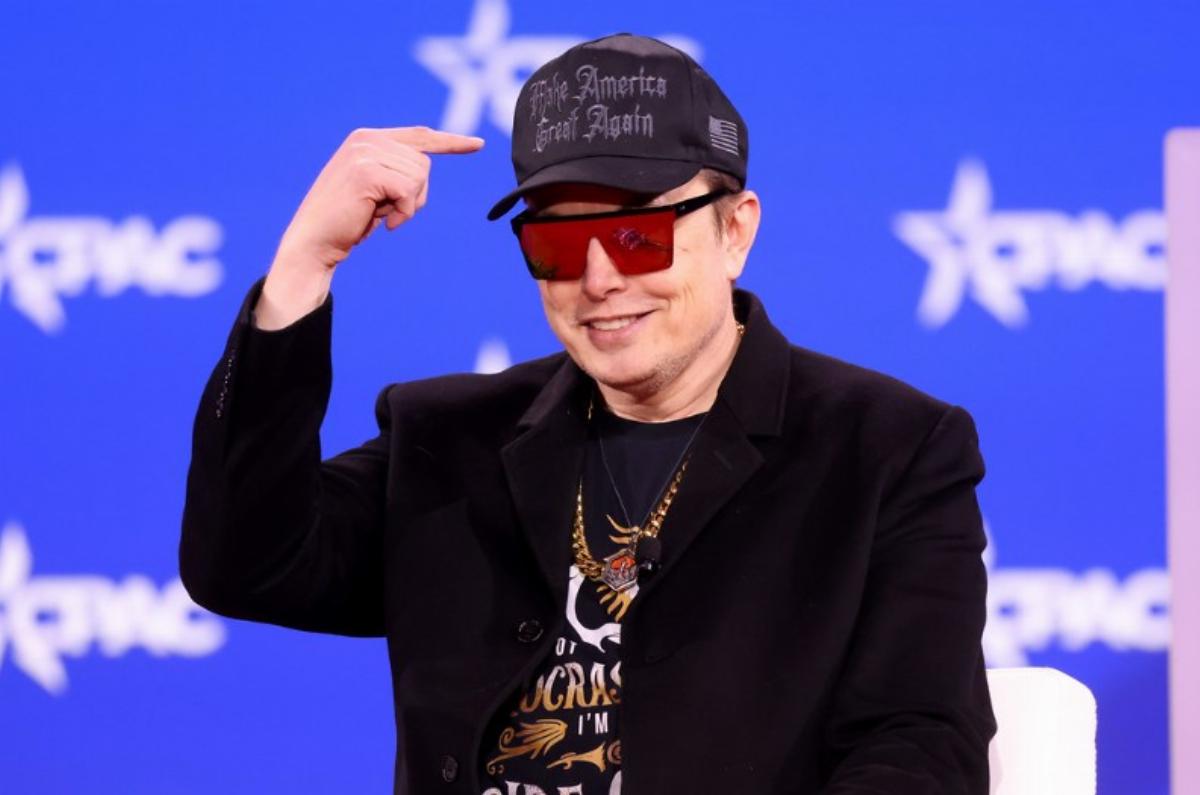
One prominent modern figure illustrates this tension vividly: Elon Musk. His life and actions echo chivalric virtues amid very human shortcomings, reminding us why such striving matters.
The Timeless Ideal and Its Modern Echoes
Lewis celebrated chivalry as a civilizing force that prevented the strong from preying unchecked and the civilized from becoming decadent and enfeebled. The knight protects the vulnerable (women, children, the defenseless), honors truth and loyalty, undertakes quests for the common good, and balances ferocity with restraint. It is an aristocratic code democratized: not reserved for elites, but a pattern any person can follow in his sphere, whether family, work, or community.
Musk’s endeavors resonate with several of these threads. His relentless drive toward multi-planetary humanity, pouring resources into SpaceX despite repeated failures and immense personal cost, mirrors the grand quest. It is not mere profit or ego (though those exist); it is framed as safeguarding our species against existential risks, a form of protection for future generations who cannot yet defend themselves. This is chivalric stewardship: using strength (technological, financial, visionary) in service of the vulnerable.
His defense of free speech on X, often at reputational and financial risk, echoes the knight’s commitment to honor and truth against powerful foes, be they governments, corporations, or ideological enforcers. By prioritizing open discourse over curated consensus, he acts as a defender of the intellectual commons, protecting the ability of the weak or dissenting to speak without fear of cancelation. This is not always courteous in tone, but it serves the higher ideal of justice and inquiry.
Family and legacy add another layer. Musk’s public emphasis on having children and critiquing population collapse reflects loyalty to lineage and civilization’s continuity, a chivalric concern for the future of the real realm. Innovation itself, in his view, becomes a creative act of service: advancing sustainable energy, neural technology, or A.I. safety and availability not abstract as progress, but as tools to elevate humanity.
The Necessary Acknowledgment of Frailty
Honesty demands we not airbrush the portrait. Musk is no flawless fictional medieval icon. His communication can veer into impulsiveness or provocation that courts unnecessary conflict. Personal life details, such as multiple relationships, public feuds, and admitted human struggles, reveal the same frailties we all share: pride, distraction, and inconsistency under pressure. This is the point.
Read more Venezuela: Post quake, time for President Trump to shuck Delcy Rodriguez
Human defects make chivalrous striving admirable. Perfect knights exist only in legend. Real ones, and their modern analogues, labor amid frailty, modeling the effort required to rise above base instincts. Musk’s very public imperfections humanize the ideal. Even (or especially) the flawed can undertake quests, defend truths, and protect the vulnerable. His persistence despite scandals, market volatility, and relentless opposition demonstrates courage tempered (albeit imperfectly) by long-term purpose. In Lewis’s terms, the dangerous man who chooses service over domination is worth emulating precisely because the alternative, unrestrained frailty, is far worse.
Keepers of the Realm and Inspiration for All
Threats of institutional capture, cultural erosion, or technological peril find the chivalrous pushing back against entropy, defending speech as a bulwark for truth, supporting innovation as a hedge against decline, and embracing bold vision as a counter to despair. Musk’s efforts, whatever one thinks of the specifics, highlight how individual agency can stabilize or advance the “realm” of civilization. He represents at least the possibility of a person fulfilling the promise, directly or indirectly, of man as “The Ultimate Resource,” as the economist Julian Simon argued in his book of the same name.
Simon’s thesis, that human ingenuity, creativity, and problem-solving are the true sources of wealth and progress, and thus the ultimate resource and historical solution to scarcity, finds a natural counterpart in the older ideal of chivalry. Both point toward a vision of ordered strength: the deliberate direction of human power and intelligence by moral purpose rather than solely by appetite, ideology, or technological momentum. In this sense, Musk’s work can be read as an attempt to wield extraordinary technological capacity within a framework of responsibility, long-term thinking, and civilizational ambition, all qualities that echo the chivalric demand that strength be governed by honor and duty.
Chivalry inspires everyone — the parent sacrificing for children, the professional maintaining integrity amid pressure, the citizen speaking truth courteously online. These are the everyday knights Lewis would approve. The code of chivalry is not a quaint relic of medieval times, but a coherent moral framework that is genuinely scalable and applicable to individuals, families, institutions, and entire civilizations, while remaining reproducible across generations and cultures. It can be consciously adopted or subconsciously adapted, refined, and passed on without requiring elite status or specific historical context, because its core virtues (courage, honor, justice, mercy, and protection of the weak) are rooted in something deeper than any particular age.
Musk’s visibility simply amplifies the archetype, inviting reflection. For a fragmented society hungry for meaning beyond algorithms and outrage, reviving chivalric discussion offers a positive vision. It counters both nihilism and naïve utopianism with disciplined virtue.
Reading Lewis reveals why the concept endures. Chivalry is an ever-present corrective for human nature’s flaws. Figures like Musk, with all their contradictions, keep the conversation alive by living (imperfectly) in its shadow. They remind us that striving matters.
Civilization needs its keepers, and every person benefits from aspiring to that role. In that light, chivalry is not dead. It awaits renewal in each generation willing to balance danger with gentleness.
Read more What Republicans still get wrong about reaching black voters
Image: Elon Musk. Credit: Gage Skidmore via Flickr, CC BY-SA 2.0.