
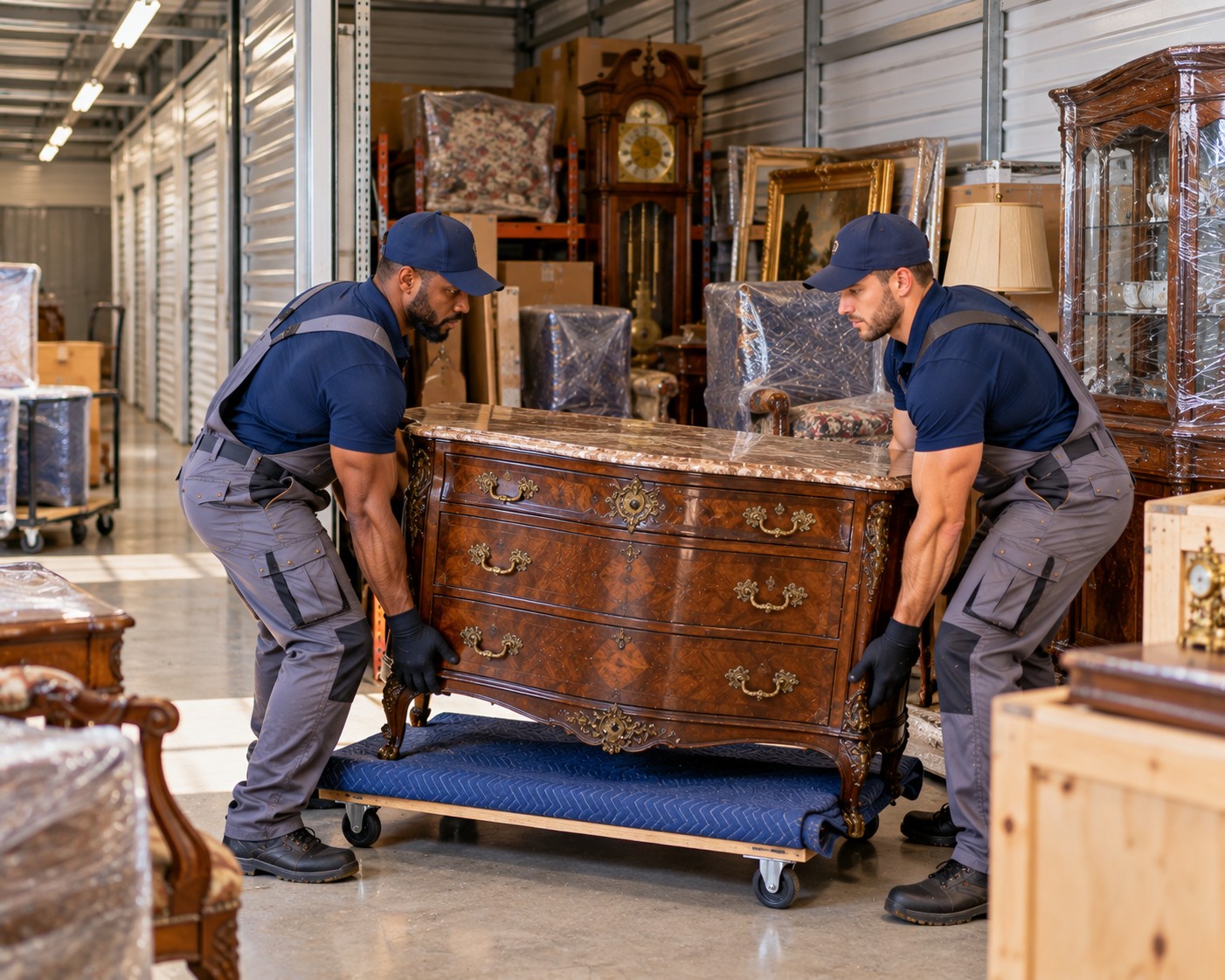
Antique furniture is rarely just another household possession. A carved cabinet may have been inherited from a relative, an old dining table may have witnessed generations of family gatherings, or an unusual chair may have taken years to find. When an entire collection needs to leave the home temporarily, ordinary storage methods may not provide the level of protection these pieces require.
Whether the reason is a renovation, downsizing, relocation, estate transition, or simply a lack of available space, the storage environment matters. Pro Movers and Storage can help coordinate the handling of valuable furniture, while https://promoversandstorage.com/ provides access to moving and storage support for households with more demanding belongings.
Why Antique Furniture Needs Special Storage
Older furniture can be more sensitive to environmental changes than modern mass-produced pieces. Wood may expand or contract as humidity changes, while finishes, veneers, upholstery, and decorative elements can require additional protection.
Consider the Environment
A suitable storage space should offer more than an empty room with a lock. Temperature and humidity control can be important for protecting furniture from extreme environmental fluctuations.
Secured Storage Solutions can provide a more appropriate option when antique pieces need to remain protected for an extended period. Look for storage arrangements that combine controlled conditions with restricted access and ongoing security measures.
Prepare Each Piece Before Storage
Furniture should be cleaned carefully before it enters storage, but aggressive cleaning products should generally be avoided unless recommended for the specific material. Dust and loose debris should be removed so they do not remain trapped against delicate surfaces.
Document the Collection
Create an inventory before anything is moved. Record each item’s dimensions, description, distinctive features, and existing imperfections. Photograph the front, back, hardware, decorative details, and any areas that already show signs of age.
This documentation can make future inspections easier and provides a useful record if furniture is moved between locations.
Use Protection That Allows the Furniture to Breathe
Antique furniture needs protection from dust and accidental contact, but wrapping every surface tightly in plastic can create undesirable conditions.
Breathable furniture covers can provide a barrier against dust while allowing some air circulation. Padding should be used around vulnerable corners and decorative elements.
Protect Delicate Finishes
Wooden surfaces should not be placed directly against rough walls or other furniture. Glass panels, mirrors, carved components, and removable decorative pieces may require separate protection.
Avoid stacking heavy objects on antique furniture. Even sturdy-looking tables and cabinets can develop pressure damage when weight is concentrated on delicate surfaces for a long period.
Give Large Pieces Enough Space
One of the biggest mistakes in furniture storage is filling every available inch. Antique collections should be arranged so that pieces do not rub against each other and can be inspected or removed without disturbing the entire collection.
Place larger cabinets and wardrobes strategically around the perimeter where possible. Leave a practical pathway through the unit and keep frequently accessed pieces closer to the entrance.
Pro Movers and Storage can assist with the physical placement of heavy furniture, reducing unnecessary lifting and helping create a storage arrangement that remains manageable over time.
Pay Attention to Upholstered and Veneered Furniture
Antique sofas, chairs, and other upholstered pieces may require different preparation from solid wood furniture. They should be protected from dust while avoiding materials that trap moisture against fabric.
Veneered furniture also deserves careful handling because thin decorative layers can be vulnerable to impact and changes in environmental conditions. Avoid placing heavy boxes or other objects on top of veneered surfaces.
For particularly valuable or historically significant pieces, consulting a qualified conservator before long-term storage can provide guidance specific to the furniture’s materials and condition.
Build Security Into the Storage Plan
Physical protection is only part of preservation. Access control also matters when a collection contains valuable or irreplaceable pieces.
Secured Storage Solutions can be particularly useful when homeowners want their collection kept in a controlled environment rather than an improvised garage or basement. Features such as restricted access, surveillance, alarms, and appropriate environmental controls can add another layer of protection.
Check the Collection Periodically
Long-term storage should include occasional inspections when practical. Look for damaged coverings, signs of environmental problems, shifting furniture, or anything that could interfere with safe access.
Keep the inventory updated if pieces are removed or added. A simple digital record can make it easier to track the collection without repeatedly handling the furniture.
Antique furniture deserves storage that reflects its age, craftsmanship, and personal value. With thoughtful preparation, breathable protection, sufficient space, controlled environmental conditions, and careful handling, a collection can remain in much better condition while it is away from the home.