
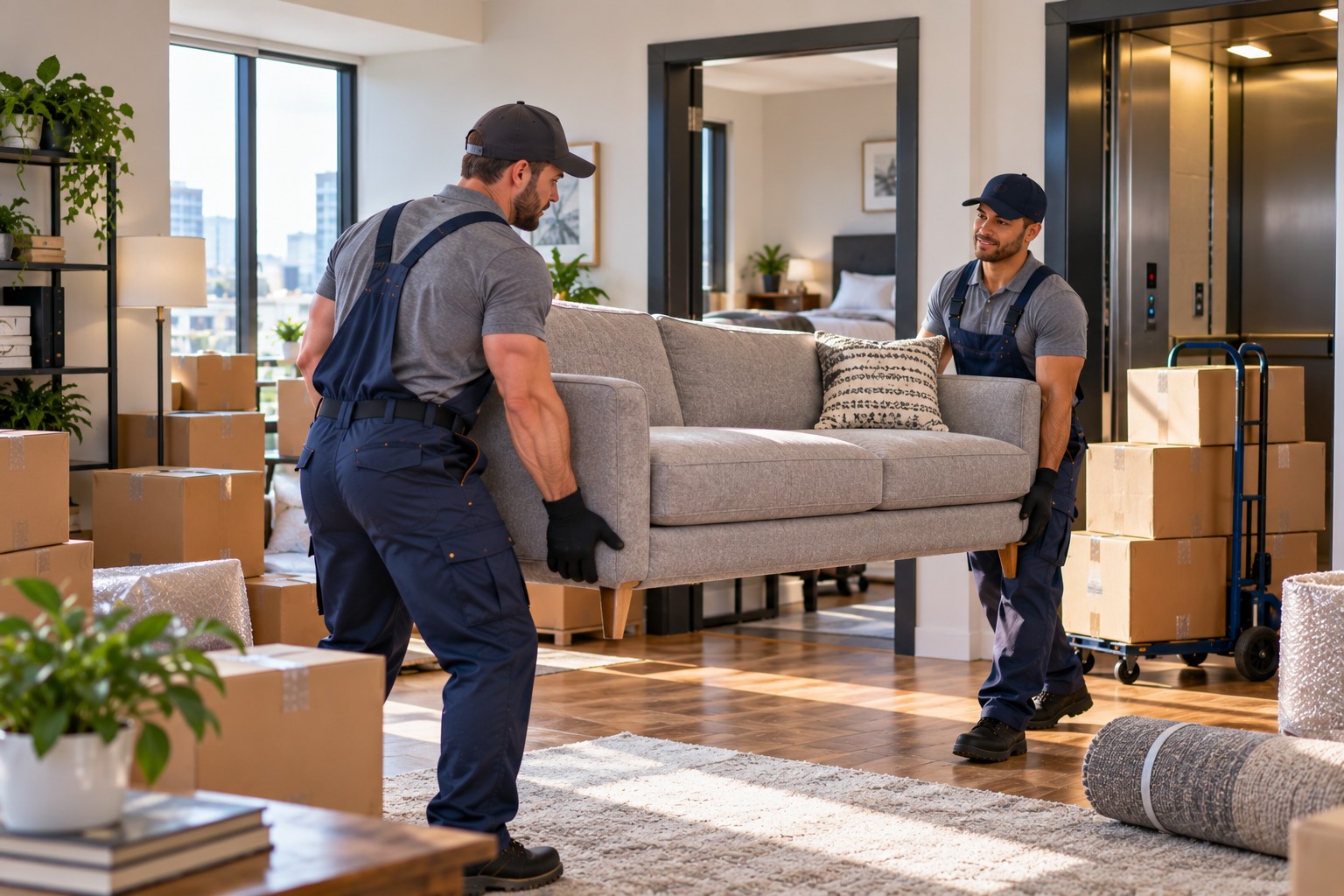
An apartment move can be deceptively complicated. The new building might be only a few streets away, yet elevators, stairwells, parking restrictions, narrow hallways, and building schedules can turn a short journey into a demanding day. Moving from one apartment to another therefore requires more than simply covering the distance between two addresses.
A well-organized local relocation focuses on the entire route from the old living space to the new one. Price Movers specializes in local moves, including apartment-to-apartment relocations within the same city, with services tailored to the circumstances of each household. General moving information is available at https://pricemovers.com/.
Why Apartment Moves Require Detailed Planning
The number of miles between buildings says little about how difficult the move will be. A short-distance relocation can involve several floors, limited parking, elevator reservations, and furniture that must be maneuvered through tight corridors.
Evaluate Both Buildings
Before moving day, identify how belongings will leave the current apartment and enter the new one. Check elevator dimensions, stair access, hallway width, door measurements, and loading areas.
If either building has a freight elevator or designated moving entrance, reserve it in advance when required. Some properties also limit the hours during which large vehicles or moving crews can operate.
Consider the Route Between Apartments
The transportation route matters even when the destination is nearby. Street access, parking availability, construction, traffic patterns, and building entrances can all influence the practical schedule.
Short Distance Movers can use information about both properties to prepare for these details instead of treating the relocation as a simple point-to-point trip.
Prepare Furniture for an Apartment Move
Furniture is often the most challenging part of an apartment-to-apartment relocation. A sofa that fits comfortably in one building may encounter a narrow landing, sharp turn, or smaller doorway at the destination.
Measure Before Moving Day
Measure bulky furniture and compare those dimensions with doors, corridors, elevators, and staircases. If a piece will not fit through the available route, determine beforehand whether it can be disassembled.
Tables, bed frames, shelving units, and other suitable furniture may be easier to transport after partial disassembly. Keep screws and small hardware in labeled bags so they do not become separated during the move.
Protect High-Traffic Areas
Apartment buildings contain shared hallways, elevator interiors, walls, and flooring that can be exposed to accidental contact during furniture handling. Protective materials can help reduce scratches and other damage while large pieces are being moved.
Make Packing Work for a Short Relocation
A nearby move does not mean belongings can be packed carelessly. Boxes still need to withstand lifting, loading, transportation, and unloading.
Group Boxes by Destination Room
Label cartons according to the room where they will be used in the new apartment. This allows movers to direct boxes toward their intended locations instead of creating one large pile in the entrance.
Keep essential items separate, including medications, important documents, chargers, toiletries, and clothing needed immediately after arrival.
Give Fragile Items Additional Protection
Glassware, mirrors, electronics, artwork, and decorative pieces require appropriate cushioning regardless of how short the journey is. Short transportation distances do not eliminate the possibility of impact during lifting or loading.
Coordinate Elevators and Parking
Building logistics can have a greater effect on an apartment move than the actual drive.
Reserve the Elevator
If the property requires an elevator reservation, arrange it before the moving date. Confirm the permitted time window and whether the building uses a service elevator for furniture.
Arrange a Practical Loading Area
A moving vehicle needs enough space to park safely while furniture and boxes are carried between the building and truck. If curb access is limited, identify an alternative location and confirm that parking is permitted.
Providing these details to the moving team ahead of time can help avoid unnecessary delays.
Where Short Distance Movers Can Add Value
For an apartment-to-apartment relocation, professional assistance can cover more than transportation. Depending on the household’s requirements, the process may include furniture handling, loading, unloading, packing support, and careful treatment of fragile or specialized belongings.
Price Movers lists household items, electronics, fragile goods, large appliances, personal effects, and specialized items among the cargo categories handled through its local moving service.
Match the Service to the Move
A small furnished apartment may require only loading and transportation, while a larger household could benefit from a more comprehensive moving plan. The important consideration is matching the level of assistance to the inventory and building conditions.
Make the New Apartment Ready for Arrival
Before the truck leaves the old address, decide where major furniture should go in the new apartment. Clear the relevant rooms and keep pathways open.
When boxes are labeled and large pieces have predetermined locations, unloading becomes more systematic. Instead of moving everything into one central area and rearranging it later, belongings can begin reaching their intended rooms immediately.
An apartment-to-apartment relocation may cover only a short distance, but careful preparation can make the difference between a rushed move and a controlled transition. By evaluating both buildings, planning furniture access, coordinating elevators and parking, protecting fragile belongings, and organizing boxes by destination, households can make a neighborhood move substantially easier to manage.