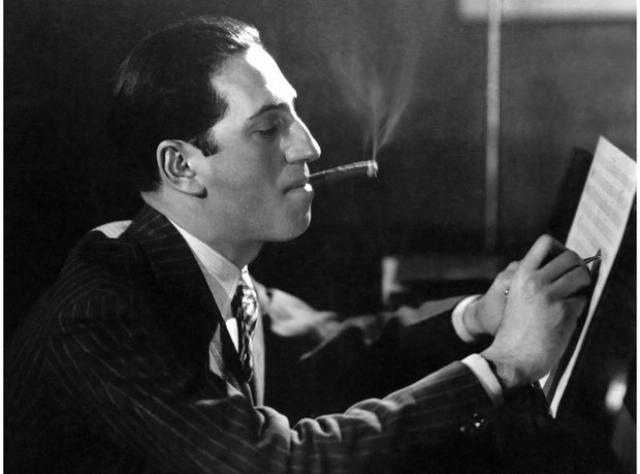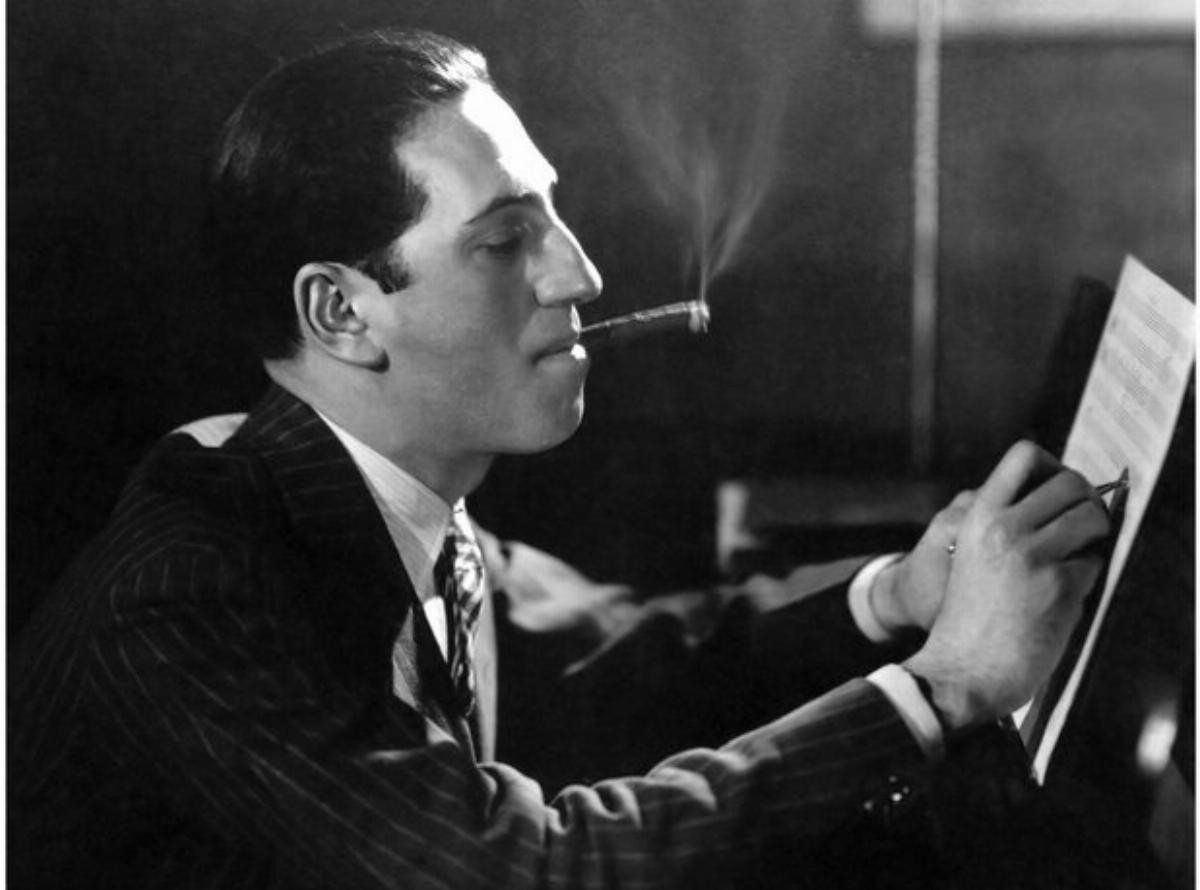
This September 26th will mark the 128th anniversary of the birth of one of the modern world’s greatest composers. The sad irony is that, although he created an enormous body of excellent work, he left this world at the young age of 38 — though he was still three years older than Mozart ever got to be — coincidently dying in the same hospital (formerly known as Cedars of Lebanon, now Cedars-Sinai in Los Angeles) in which I was born some years later. The story of his passing exemplifies the significant progress in medical diagnosis that has happened since this sad event.
Read more Carney Marries Canada to Dying Europe
Perhaps the most remembered product of Gershwin’s short career was the classic opera Porgy and Bess. It was a box office flop when first produced in 1935. This may have been because Jim Crow America was not yet ready for such a cross-cultural presentation. In Thaddeus Russell’s A Renegade History of the United States, he tells how Louis Prima was initially banned from New York nightclubs because he was thought to be black. After all, he was a jazz trumpeter from New Orleans… even though he was obviously Italian. Northern Italians might, however, make the same mistake.
Porgy and Bess is particularly remarkable in that it shows how Gershwin and his brother Ira, being just two Jewish kids from Brooklyn, managed to epitomize Southern black culture in a form that endures well to this day. Today’s jazz musicians continue to frequently produce covers of various songs from the show. Yes, George and Ira had some help. A fellow named DuBose Heyward published the novel Porgy in 1925, which George read the next year… and decided to put the story to music.
When the Gershwins relocated to Los Angeles, presumably to be closer to Hollywood, George befriended the major-league local music maestro, Arnold Schoenberg — after whom the music building at UCLA was later named. They regularly played tennis with each other. And, speaking of UCLA, the Gershwins provided the fight song for the school’s Bruins football team… which was later adapted into the pop song “Strike up the Band.”
What is not usually mentioned is that George and Ira gave Schoenberg a copy of the Porgy and Bess score that was copiously hand-illustrated with Ira’s cartoons. How do I know this? Schoenberg eventually gave this copy of the score to another, though lesser, local musician: George Tremblay. In my early twenties, I just happened to live across the street from Mr. Tremblay. He had a refrigerator full of Rainier Ale and loved to chat… and he showed me that particular score of Porgy and Bess with much pride.
Read more AI Doomerism And The Experts’ Uncanny Knack For Getting Things Wrong
Another extremely famous product of Gershwin’s unique talent was the symphonic composition Rhapsody in Blue. FYI, Leonard Bernstein and the New York Philharmonic recorded a beautifully schmaltzy version of this quintessentially American work of art.
What makes this story especially significant is the unique value of American culture… where the sons of Russian immigrants fleeing pogroms can wind up entertaining the entire world. The pre-existing environments of Broadway and Hollywood have been particularly beneficial… along with the talented collaborators who just happened to also be available. Not to mention the enthusiastic audience easily reached for such efforts.
We are today burdened with the quandary: is America losing its fizz when it comes to stimulating amazing creative works… from art in all its forms to AI and other high-tech innovations? This question begs another question: compared to what?
Read more RFK, Jr. Shows How Republicans Can Win The Midterms