
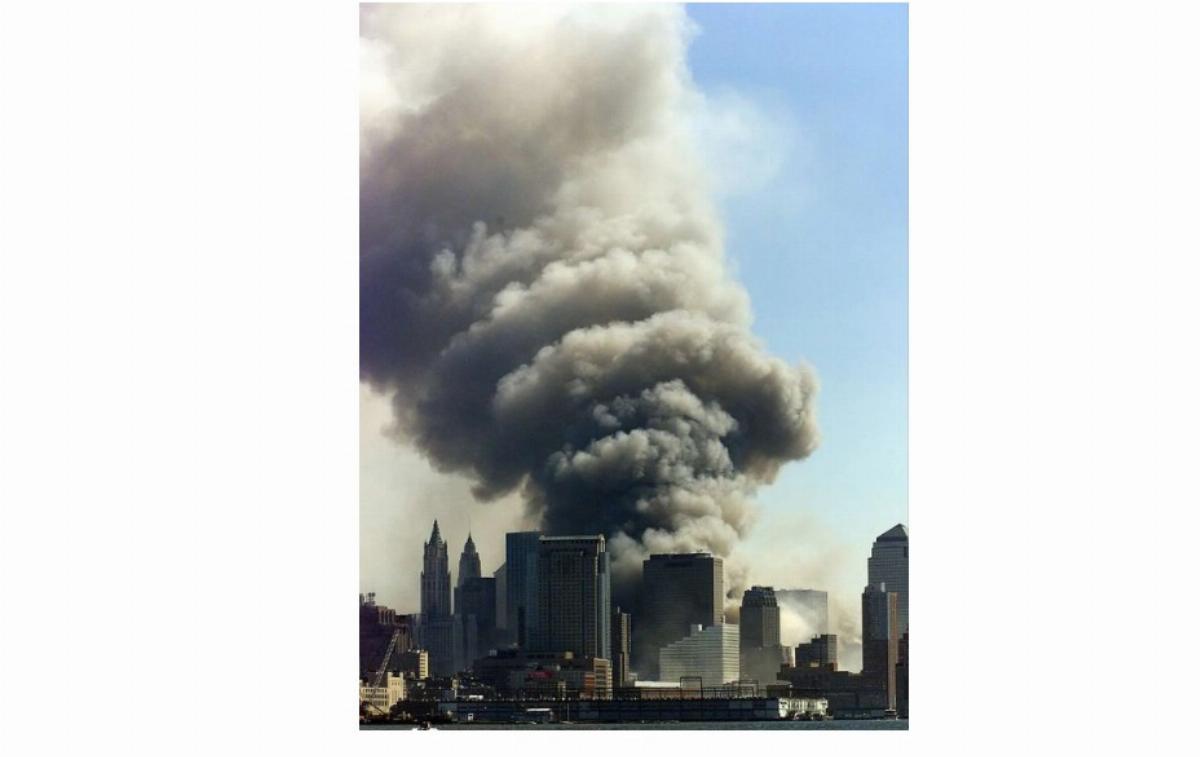
Colleges have reconvened for the fall semester. As always, it is an exciting time for higher education. The stakes are exceptionally high as demographic challenges and ideological battles collide to make collegiate instruction daunting. We are rapidly approaching an epideictic and deliberative collision of competing rhetorical worlds on September 10 and September 11. The two dates contain highly significant historical events, and the highly charged rhetoric surrounding them is distinct but not unrelated.
Read more OMG! Several Lindsay Clancy jurors spoke and unwittingly indicted themselves
On September 10, colleges and universities will observe the one-year anniversary of the assassination of Charlie Kirk. Kirk was assassinated on a Utah college campus while debating members of the campus community. Kirk was embroiled in an escalating ideological debate about how higher education changes the American mindset and presses political arguments that are at least debatable. His assassination was a high mark of incivility. The alleged shooter said that he could no longer reason with Kirk’s public arguments. Almost all campuses struggled with how to respond. There is an evident implicit and often explicit bias against Kirk’s Christian and political viewpoints at most campuses. Universities are loathe to mourn his death, but they know that assassination is grossly uncivil. Colleges and universities will struggle to meet this date and the epideictic rhetoric it requires. Universities are likely to quietly urge as small a response as possible to an obvious hateful crime against the very nature of free inquiry they claim to champion. Kirk embodies an awkward reality too often true on college campuses: conservative viewpoints are not welcome to the point of radical political exclusion and violence.
Read more The second killing of Charlie Kirk
The collegiate interpretation of both of these dates, September 10 and September 11, is hopelessly absurd. It is nearly impossible for campuses to articulate a reasonable response to either event. Both events are already shrouded in ideological mystique that almost no one can actually defend: ‘Kirk and America both got what they deserved on September 10 and September 11.’ We know those ideas are not only ‘out there,’ but are also politically viable. Until we can stand at the epideictic pulpits of our nation and admit that neither Kirk nor America deserved these brutalizations, we will struggle to create moral educational coherence. The time for bravery like that shown by Charlie Kirk and Todd Beamer is now.
Dr. Ben Voth is professor of rhetoric and director of debate at Southern Methodist University in Dallas, Texas. He is the author of several academic books regarding political communication, presidential rhetoric, and genocide.
Read more A Kenyan tragically loses his job to AI
Image: Defense Visual Information Distribution Service