
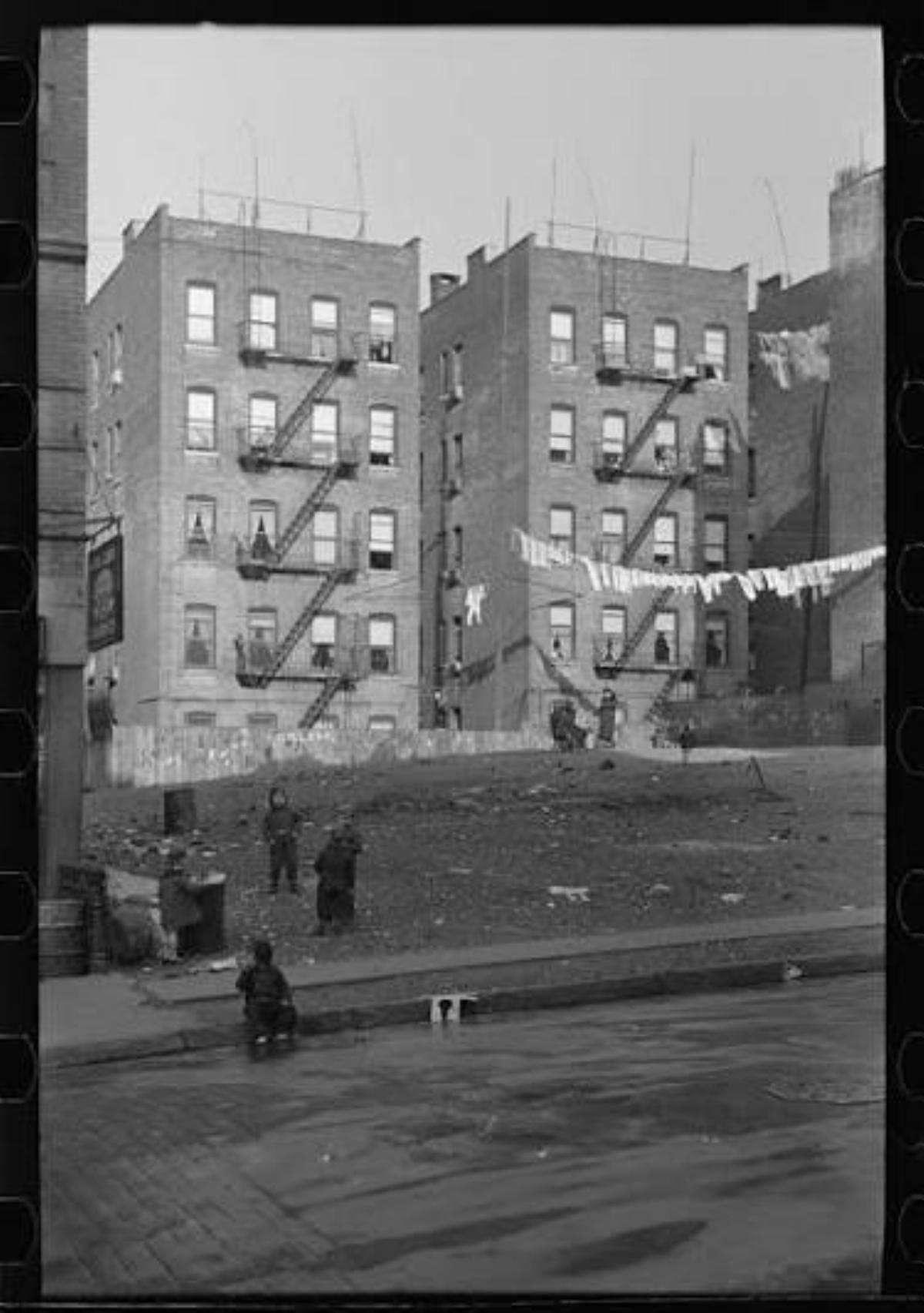
Housing in New York City has become painfully unaffordable.
In June, renters paid an average of $5,408 for a one-bedroom apartment in Manhattan, while even the average studio reached $4,014. It isn’t difficult to understand why young New Yorkers are frustrated, or why socialism is starting to sound appealing.
Read more The British Nanny State: No Guns Allowed
Underneath that anger is a very real problem. Young New Yorkers aren’t wrong for being frustrated. Housing has become unaffordable, and they are right to demand better solutions. But is socialism the answer?
The Marxist Lens: Tenant vs. Landlord
Before asking whether socialism can solve New York’s housing crisis, we first have to understand how socialists explain why housing became so unaffordable in the first place.
New York’s democratic socialist movement approaches housing through the same basic class-struggle lens Karl Marx used to understand society. Marx divided society into opposing economic classes, with one benefiting from the exploitation of the other. In today’s housing debate, this framework means: the landlord profits, the tenant struggles, and therefore the landlord is exploiting the tenant.
Mamdani says the “root cause” of neglect and disrepair in housing is “the relentless drive for profit.” His administration advocates taking housing out of the hands of exploitative landlords and putting more power into the hands of tenants.
But viewing housing through this framework creates a major blind spot. Tenants and landlords aren’t opposing classes whose interests must always come at the expense of one another. They participate in the same housing market and ultimately need each other. Renters need people willing to provide, maintain, and invest in housing, while landlords need people willing to rent.
Affordability doesn’t come from using government power to fight the side deemed an exploiter. It comes from a housing market where more people can provide housing, more apartments are available, and landlords have to compete for tenants. When policy instead makes providing housing more difficult or financially unsustainable, tenants feel those consequences too: fewer available apartments, deteriorating buildings, and greater competition for whatever housing remains.
That’s what the class-struggle framing misses. The most important question isn’t which side is exploiting the other? It’s: Why aren’t enough apartments being provided for the people who need them?
When Protecting Tenants Creates More Scarcity
When something people desperately need is expensive and in short supply, socialist policies tend to focus on controlling the price of what already exists rather than making it easier to provide more of it. Rent freezes and tighter rent controls may offer relief to existing tenants, but they do nothing to create more housing — and can make providing that housing less financially viable. These policies restrict the supply side of the market and ultimately make the shortage worse.
An owner can be looking at tens of thousands of dollars in repairs while being legally limited in how much of that investment can be recovered. For some apartments, it can make more financial sense to leave the unit empty than spend the money necessary to put it back on the market. Kenny Burgos, CEO of the New York Apartment Association, estimates that 60,000 rent-stabilized apartments are currently sitting vacant.
Then there’s the housing that’s already occupied. For rent-stabilized apartments, landlords aren’t free to raise rents as their operating costs rise. The Rent Guidelines Board determines how much rents are allowed to increase, and those increases have repeatedly failed to keep pace with the rising cost of maintaining these buildings. The result is a growing squeeze between what landlords are allowed to charge and what it actually costs to provide the housing.
Since 2019, operating expenses — including property taxes, insurance, water, utilities, labor, and repairs — have risen roughly 40%, while rent revenue has risen only around 16%. In other words, the cost of providing the housing is rising far faster than landlords are allowed to raise the rent to cover it.
That’s where the promise of affordability starts working against itself. The goal is to protect tenants from high prices, but controlling the existing supply doesn’t create more of it. When those controls make it harder to renovate vacant apartments, maintain aging buildings, or attract investment into housing, New Yorkers are left competing over an even scarcer supply.
Conclusion
Young New Yorkers are right to be angry. Housing should not feel this far out of reach. But the answer isn’t to take a housing market already buried under government restrictions and respond with even more government control.
That’s the fundamental problem with the socialist approach to affordability. It sees high prices and asks how government can control the price — instead of asking why there isn’t enough housing competition to serve the people who need it. It sees struggling tenants and profitable landlords and turns them into opposing sides, when a functioning housing market requires both.
The answer isn’t to protect bad landlords. Hold landlords accountable for fraud, unsafe conditions, and violations of their contracts. But profit itself isn’t the enemy of affordable housing. Profit is what gives people a reason to build apartments, renovate vacant ones, keep up with maintenance, and invest in creating more places for people to live.
If New York actually wants affordability, it needs more housing. Get vacant apartments back onto the market. Remove regulations that make renovating and providing housing financially impossible. Make it easier and less expensive to build. Reduce zoning and permitting barriers that prevent new housing from being created. And most importantly, create enough supply that landlords have to compete for tenants instead of tenants fighting each other for whatever apartments are left.
That’s the part socialism gets backwards. You cannot make something abundant by making it harder to provide. And you cannot solve a shortage by controlling an already scarce supply.
Young New Yorkers deserve affordable housing. But they’ll never get there through policies that create even more scarcity.
Read more African man becomes a crazed sex pest, going after four different women in a matter of minutes
Image: Library of Congress