
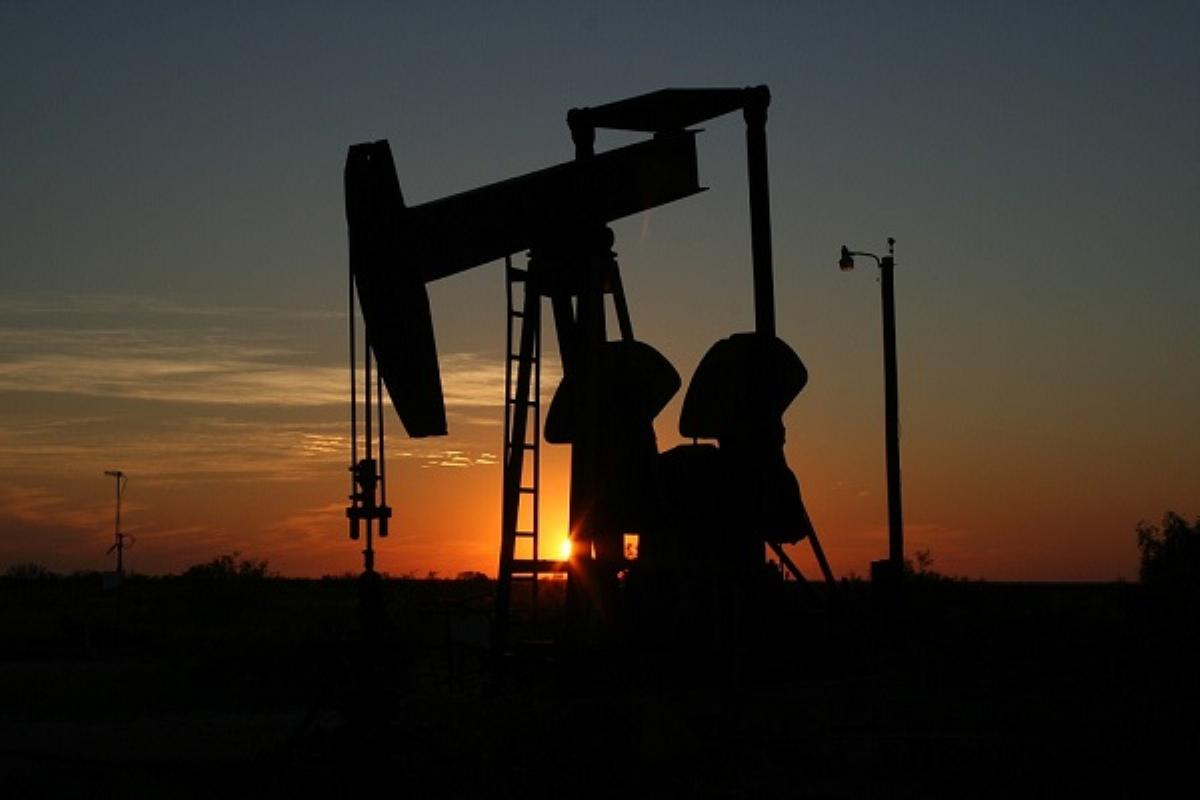
Russia accounted for about 10 percent of the world’s oil supply when she invaded Ukraine in February 2022. Western countries promptly sanctioned Russian oil, and prices shot up to almost $140 per barrel. Russia turned around and sold its oil to India, who refined it and sold it to Europe. Most of that oil had merely been re-routed, not taken off the market.
When the U.S. attacked Iran in February, WTI (West Texas Intermediate) oil traded around $68/barrel. Four months later, over $1.3 billion barrels of oil had been removed from the market. From mid-March to mid-June, oil prices hovered between $80 and $100/barrel, then dropped to the $70–80 range from mid-June through the end of July. Why have oil prices not skyrocketed after almost 5 months of the disruption of 20 million bpd (barrels per day) of war and closures of the Strait of Hormuz?
Early on, in mid-March, Trump removed sanctions on Russian oil for one month, which added 200 million barrels of oil to the markets. Then, a few days later, Trump lifted sanctions on some Iranian oil: “Treasury Secretary Scott Bessent announced the issuing of a narrowly tailored, short-term authorization permitting the sale of Iranian oil currently stranded at sea.”
It’s been widely reported that the world has been burning through its strategic oil reserves, and that has played a significant role in keeping oil prices from going through the roof: “The world has absorbed with surprising ease the loss of over a billion barrels of oil supply since the Iran war began, but, with long-term peace elusive and buffer reserves now drained, it still faces the looming risk of future price spikes.”
China in particular blunted the expected rise in global oil prices (and surprised the world) by tapping into its massive strategic petroleum reserves of an estimated 1.4 billion barrels, thereby slashing its oil imports by 50 percent — from 10 to 5 million bpd.
WTI and Brent prices are short-term futures prices, not spot prices for what oil is sold for on a given day. In the real world, buyers have been paying anywhere from around $30 to $60/barrel more than published prices, for taking physical delivery of oil (see here, here, and here). These marked up prices are especially high for refined products such as gasoline, diesel, aviation fuel, and the diverse world of petrochemicals.
Read more In Ohio, poker night is fine, but praying with friends is forbidden
The chaotic, unpredictable, rapidly changing nature of war can explain much, but I think not all, of this disconnect between “paper” futures prices and physical oil prices. That is, to what extent are A.I. trading algorithms are affecting oil prices?
Major energy companies, investment banks, sovereign wealth funds and governments now rely on advanced algorithms to analyze geopolitical risks, forecast oil prices, assess security crises and manage energy supply chains. [snip]
Artificial intelligence systems are now able to process millions of variables simultaneously, ranging from satellite images of oil tankers and strategic reserves to weather patterns, military tensions, cyberattacks, interest-rate fluctuations and even social media sentiment.
A few weeks ago, CNN aired a montage of President Trump announcing deals with Iran 39 times. Those pronouncements, dispersed to media outlets throughout the world, are among those “millions of variables” analyzed by A.I. trading algorithms. Each algorithm knows that all the other algorithms know that those statements, whether true or false, will pull stocks up and push oil down for the next day’s trades. If mob psychology drives stock markets, then the psychology has been automated.
Oil is front and center of this war, and its slow-motion humanitarian ramifications are being underestimated by real-world energy costs that are higher than we’ve been led to believe.
Read more There Is No Justice in Minnesota
Image: lalabell68 via Pixabay, Pixabay License.