As my late father used to say, July 26, 1953, turned out to be an ugly day for Cuba. He was a young banker, recently married, and the couple were settling down to start a family.
Read more Phony Tony pleads (and pleads) the Fifth
On that day, Fidel Castro led a group of followers and attacked the Moncada Military base in Santiago, Cuba. The attack was a disaster — most of the followers were killed and Castro, who avoided the attack, was arrested, convicted, and sent to prison. A few years later, Pres. Fulgencio Batista issued an amnesty, and Fidel was out, traveled to Mexico, and the rest is very sick history.
Anyway, the so-called revolution has turned this day into the beginning of Cuban history. For years, Fidel and Raul Castro showed up, filled the place with government workers cheering on cue, and blaming the U.S. for everything. As a kid, I remember one of these days.
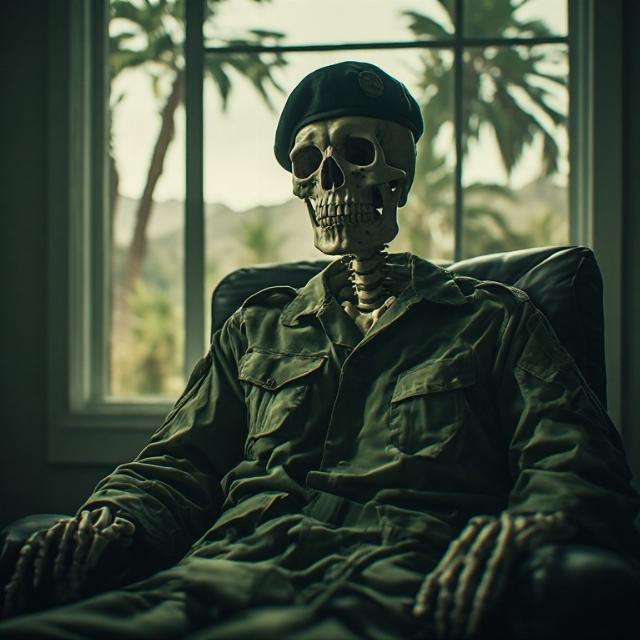
This year, Raul Castro was missing.
Cuba held a traditional rally on Sunday to commemorate one of the revolution’s most important anniversaries but former President Raúl Castro was conspicuously absent.
It was the first time in at least three decades that 95-year-old Castro did not attend the event, and no explanation was given. President Miguel Díaz-Canel read a congratulatory message from Castro to his compatriots at the rally, held in the eastern city of Pinar del Río.
The annual event commemorates the July 26, 1953 assault led by brothers Fidel and Raúl Castro on the Moncada and Carlos Manuel de Céspedes barracks in Cuba’s eastern region. The military action against former dictator Fulgencio Batista failed, but it marked the beginning of the revolutionary struggle that culminated on Jan. 1, 1959.
Raúl Castro’s last public appearances were in June, during an event to establish the Ministry of the Interior, and on May 1 to celebrate Labor Day.
He no longer holds any formal positions, but his symbolic presence is strong, and he was recently identified as one of the negotiators in talks with the United States following the imposition of a U.S. energy embargo.
Facing a crowd of hundreds of people waving Cuban flags early Sunday, Díaz-Canel rejected a report that the U.S. State Department published last week that accused Cuba of running a leftist espionage and influence network against the United States and Latin America for decades.
Read more The Mohammunist Manifesto’s Wealth Redistribution Agenda
“Every day they issue a threat against the revolution, and every week they announce a new punishment for Cuban companies and officials,” the president said.
In May, Castro was charged in a U.S. indictment with murder and other crimes for his alleged role in the downing of two civilian aircraft operated by Miami-based exiles in 1996 off the coast of the Caribbean island.
Indicted for murder? Yes, maybe Raul was afraid of being picked up by U.S. Special Forces in middle of the speech. I wouldn’t discount that reason.
Maybe he was doing something else, sort of like that Sunday afternoon that Raul was too busy to greet President Obama at the airport. Imagine that. Obama goes to Cuba to celebrate the end of the embargo, take a photo at the new U.S. embassy, and Raul Castro was too busy to show up. (Candidate Trump tweeted about this!)
I was at the hospital at that time talking to my late father, who was recovering. He looked at me and said: “Why didn’t Obama get back on the plane and show some outrage over such an insult?” On the contrary, Obama and Raul watched a baseball game and did the wave together.
Maybe Raul is sick and not able to attend. This is a good reason, and it may explain the absence.
Of course, the featured speech was the same as before. Cuba is a victim, and the U.S. is responsible for everything. Same old lying speech, but Raul was missing.
Read more How the 1964 Civil Rights Act Eviscerated the American Constitution
P.S. Check out my blog for posts, podcasts, and videos.