
Frederick Forsyth described in his novel The Dogs of War a unit of hard, efficient, and unscrupulous mercenaries operating in the African conflicts of the 1960s and 70s. They had at least a code: they fulfilled the contract, admitted what they were, and moved on. The media mercenaries of today are more dangerous. They do not move on. They stay inside, gnawing at the roots of their nations on the public payroll and with ideological conviction. And they believe themselves to be journalists.
Read more Finally: the Supreme Court will decide if common guns are really common
We are living through a cultural and civilizational war. The sides are clearly defined: on one side, citizens who produce, pay taxes, and watch their neighborhoods, schools, and values change without anyone asking their opinion; on the other, governments that promote that transformation and the media that justify it, beautify it, and attack anyone who questions it. A war is not always fought with weapons. Sometimes it is fought with narratives. And whoever controls the narrative controls the outcome.
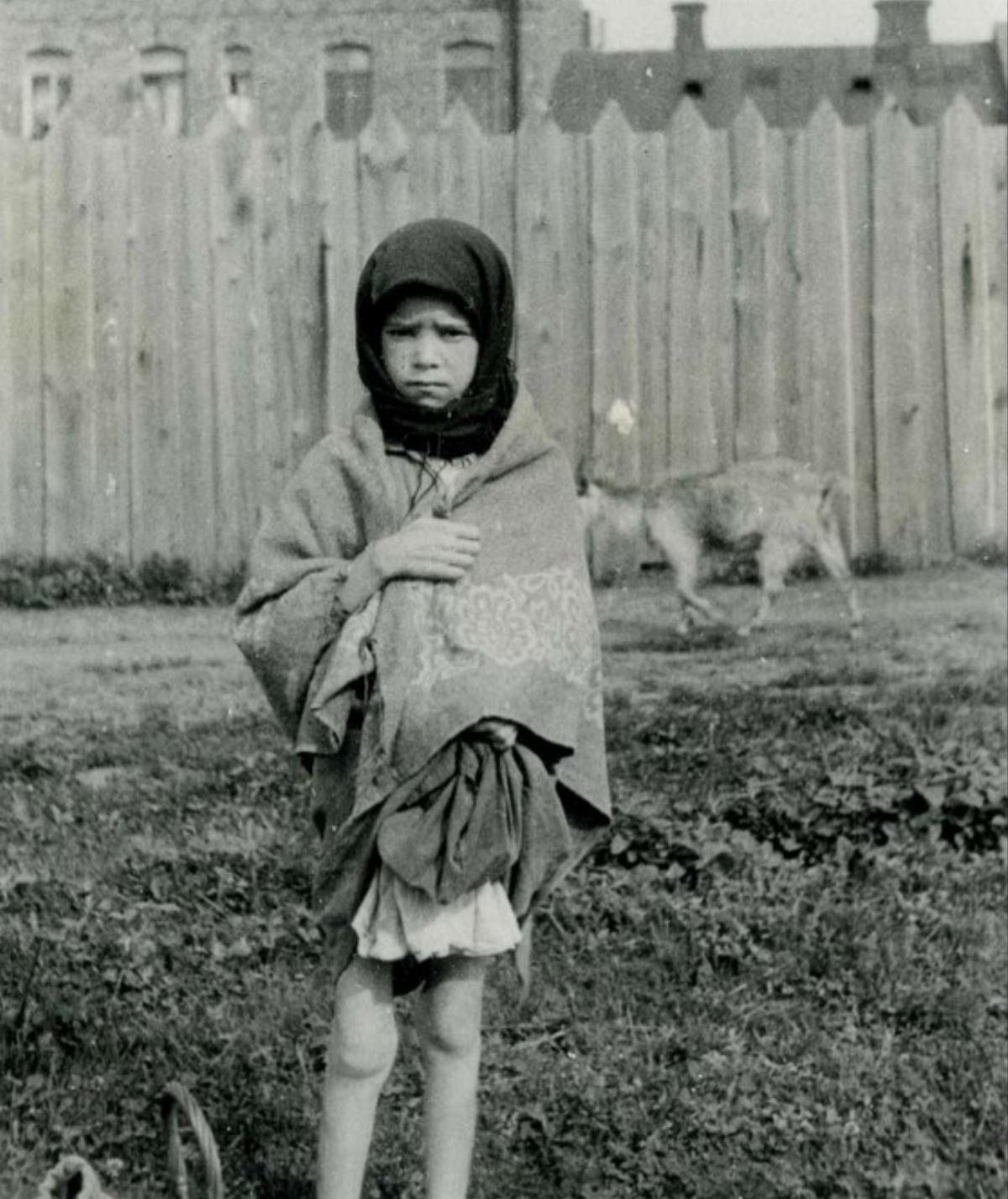
History offers precise precedents. Walter Duranty, Moscow correspondent for the New York Times during the 1930s, deliberately concealed the Holodomor — Stalin’s famine genocide in Ukraine that killed between three and seven million people. He called it “agricultural reorganization.” He received the Pulitzer Prize for his lies. He continued writing praise for the great leader while peasants starved to death. He never pulled a trigger, but his silence was one of the most effective weapons of the regime. He was a dog of ideological war. Journalists who today minimize, justify, or simply ignore what is happening in Europe and America operate with the same logic and the same moral cowardice.
The pattern is always the same. When crime statistics show that certain immigrant groups commit disproportionate rates of violent crime, the media speaks of “stigmatization” and “hate speech.” When entire neighborhoods of European cities fall outside the effective control of the state, the media speaks of “areas with special needs.” When politicians proposing to stop illegal immigration win elections across Europe, the media calls them “far right” and “threats to democracy.” When ordinary citizens express concern about the transformation of their neighborhoods, the media calls them “racists.” Language is the primary weapon. Whoever controls the definitions controls the debate.
In the United States, the phenomenon is equally visible. For years, major media outlets ignored or minimized the impact of mass illegal immigration across the southern border. Communities that bore the consequences — in public safety, in public services, in depressed wages — were systematically portrayed as “intolerant” when they expressed concern. Journalists covering the crisis from Washington or New York rarely visited the towns in Texas or Arizona where its effects were most direct. The physical distance between those who write and those who suffer is one of the keys to regime journalism: it allows opinion on what is not experienced, and dismissal of those who experience it.
The comparison with collaborators of past regimes is not rhetorical — it is precise. Nazi journalists who justified anti-Jewish policies as “necessary security measures” were not mere employees: they were active accomplices who knew what they knew and wrote what they wrote regardless. Some ended up at Nuremberg. Not because they pulled triggers, but because their work was indispensable in sustaining crimes before public opinion. The moral responsibility of those who provide intellectual cover for a crime is direct, not indirect.
Read more Air Duels With Disco-Era Planes
Forsyth’s mercenaries at least showed their faces, carried their weapons, and took risks. The media dogs of war today write from air-conditioned studios, collect fixed salaries, and receive public subsidies or institutional advertising from the very governments whose policies they should be scrutinizing. Their loyalty is not to the reader or to truth — it is to the power that pays them. They sell their profession, which should be that of holding power accountable, in exchange for job security and press conference access. They are salon mercenaries: more cowardly and more damaging than the originals, because they believe themselves virtuous while they betray.
The damage is not abstract. Thanks to their systematic work of whitewashing, millions of citizens in Europe and America have come to believe that defending their cultural identity is wrong, that questioning mass immigration is fascism, and that any legitimate concern about public safety or social cohesion is “xenophobia.” They have poisoned public debate for decades. They have converted a legitimate question of public policy into a moral taboo. And in doing so, they have ensured that the real consequences of those policies arrive without the population having been able to deliberate about them.
When the experiment fails — and there are historical reasons to think it will — many of these journalists will say that no one saw it coming. That is a lie. They saw it. They knew it. And they chose the other side.
The responsibility is direct. Just as Duranty contributed to the international silence that allowed Stalin to starve Ukraine to death, the media dogs of war today contribute to the silence that enables policies no population would have approved had it been honestly informed. They are not neutral. They are not professionals. They are propagandists with press credentials.
Read more Taxation: The Great Scourge
History is not always just with traitors. But sometimes it is.
W. Galt is the author of Cold Monster
Image: Diözesanarchiv Wien)/BA Innitzer