
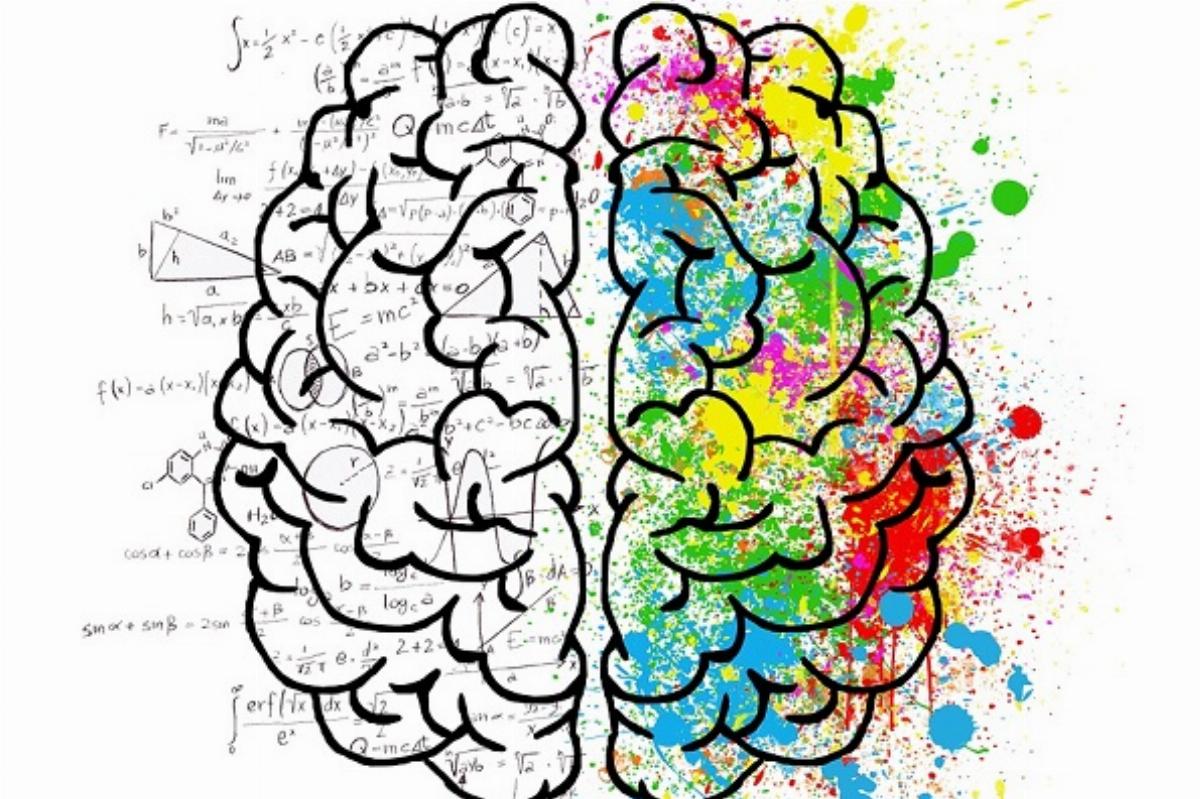
For more than a century, each generation reliably tested smarter than the one before it. This was the Flynn Effect — the steady rise in I.Q. scores of roughly three points per decade, driven by better nutrition, education, and public health, and a more complex environment.
Read more Not standing by James
That long upward march appears to have ended with Gen Z. We are now witnessing the first modern generation that is not outperforming its parents on key measures of cognitive ability.
Large-scale international assessments tell the story. PISA, TIMSS, and other standardized tests show clear declines or stalls in literacy, numeracy, problem-solving, and executive function among Gen Z cohorts (born roughly 1997–2012) compared to Millennials.
Neuroscientist Dr. Jared Cooney Horvath, , highlighted data showing measurable drops in attention span, working memory, and deep reasoning skills that began accelerating around 2010–2015, the exact period when smartphones and constant screen exposure became ubiquitous in schools and homes.
This a historic break in the pattern that defined modern progress. Previous generations stood on the shoulders of those who came before them. Gen Z is the first in a long time to step backward.
The evidence points strongly to environmental and cultural factors rather than genetics. Top among them:
- Massive Screen Time and Fractured Attention: Constant notifications, short-form video, and multitasking have rewired developing brains in ways that undermine sustained focus and deep thinking.
- Education’s Digital Experiment: The rush to put tablets and laptops in every classroom often displaced proven methods like phonics, handwriting, and rigorous reading. Many districts discovered too late that screens deliver engagement at the expense of retention and comprehension.
- Sleep Deprivation and Reduced Physical Activity: Chronic blue-light exposure and sedentary digital habits have measurable effects on cognitive development.
- Social and Family Changes: Rising single-parent households, declining real-world play, and increased anxiety have compounded the problem.
European countries such as Sweden, France, and Denmark have already begun pulling back classroom devices in response to these trends. The United States remains slower to acknowledge the data.
Read more The signal and the noise
The Solvency Trap in Action
This generational cognitive stall fits the Solvency Trap pattern: a real problem is framed as too complex, too structural, or too tied to identity and technology to solve through practical means. Instead of demanding accountability from schools, tech companies, and parenting norms, the dominant response is often more screens, more “equity” programs, or ideological explanations that treat declining outcomes as proof of systemic oppression rather than evidence of failed policies.
Real solutions require uncomfortable but fixable steps: limiting recreational screen time, restoring rigorous instruction, protecting sleep and physical activity, and prioritizing two-parent households and real-world experience. These are both realistic and achievable. They are simply politically inconvenient for those invested in the current system.
Reasons for Cautious Optimism
The decline is real, but there is no evidence that continued or further decline is inevitable or irreversible. Human beings are adaptable. Earlier generations overcame leaded gasoline, acid rain, poor sanitation, and world wars. Gen Z’s challenges are largely self-inflicted by policy and cultural choices. Correct course, and the next generation can resume the upward climb.
Parents, educators, and policymakers who prioritize evidence over ideology are already seeing results in homeschooling communities, classical schools, and families that enforce screen limits. The data supporting action are clear. What remains is the will to treat this as a solvable problem rather than a permanent new normal.
America has repeatedly proven that each generation can be smarter, stronger, and more capable than the last. The current stall with Gen Z is a warning, not a destiny. Recognizing the problem honestly is the first step toward reversing it.
The same experts who celebrated every new screen, technology, and proposed teaching method in the classroom are now strangely quiet about the measurable cognitive costs. Perhaps admitting the mistake would require dismantling policies and habits they spent years defending. Reality, however, does not care about narrative comfort. The next generation’s potential is too important to sacrifice on the altar of denial.
Read more Trump and the deal born of strength
Image: ElisaRiva via Pixabay, Pixabay License.