
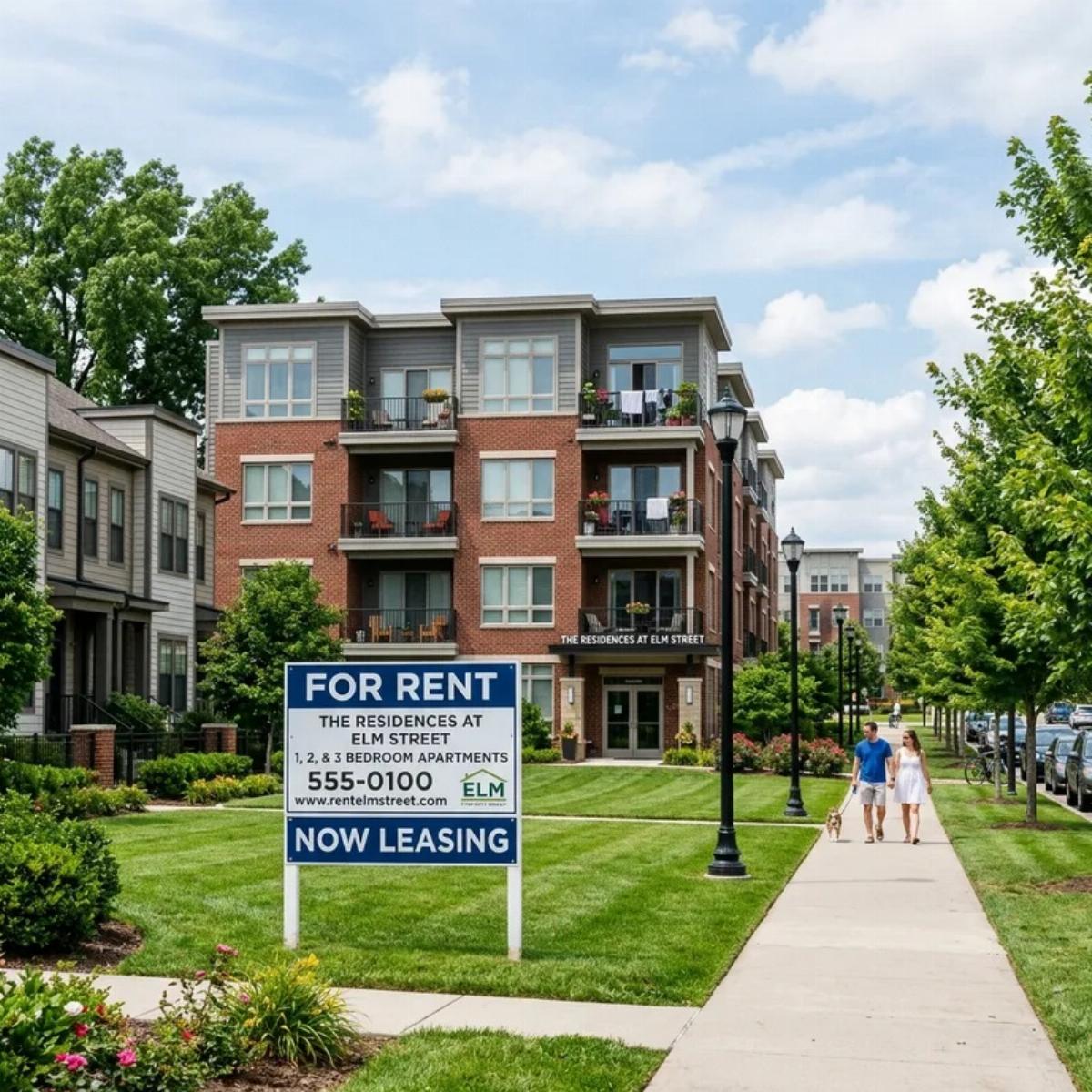
As debates over housing policy continue across Los Angeles, there is often little attention paid to the small housing providers who own and operate much of the city’s rental housing.
Read more 250 Years Into The Experiment, Democrats Threaten Catastrophe
For me, this issue is deeply personal. Owning and operating rental housing in Los Angeles has been a family business built through years of dedication and long-term commitment to our community.
Like many small-business property owners, my path into property ownership was not easy. My family began investing in Los Angeles real estate in 2009 with the purchase of a small triplex. We started with limited resources and gradually grew over time. We started small, learned the business firsthand, and reinvested everything we could back into the properties.
Over the years, we slowly expanded, focusing on long-term ownership rather than quick transactions. Every improvement we made, whether it was upgrading units, improving safety, or maintaining the building, was done with the intention of creating better housing for our tenants and a better environment for the surrounding community.
What we have built is modest but meaningful. It is a small business that provides stable housing for residents while allowing our family to remain rooted in this city.
Today, that stability is increasingly under threat, not from a single policy, but from the steady accumulation of added costs that small housing providers cannot escape. Special assessment fees and parcel taxes, layered year after year, have become the last straw for many independent owners like me.
Housing providers are often spoken about as if we are large corporations. In reality, the vast majority of housing rental property owners are small, independent business owners operating on thin margins. We absorb rising insurance premiums, higher utility costs, maintenance expenses, and compliance requirements, all while facing strict limits on our ability to adjust rents to keep pace.
Read more The Tech Lords are the Sharpest Knives in the Drawer
According to a 2025 Los Angeles Housing Department study, the 25 largest owners of rent-stabilized units controlled more than 58,300 RSO units in 2023, nearly 10% percent of the city’s stock. The same report found that from 2018 through 2023, more than 24,000 single-family home sales in Los Angeles, about 23% of all such sales, were made to large-scale organizational entities.
The California Rental Housing Association recently surveyed its membership and found that nearly two-thirds of small housing providers do not plan to expand their rental housing businesses or are considering exiting the market altogether. When small housing providers are pushed out, the result is not fewer landlords; it’s more consolidation from the large, corporate landlords with the resources and capital to absorb every new cost.
In 2018, about 51,600 units in 2-to-4 unit buildings were owned by organizational entities. By 2023, that number increased by 29%. Corporate ownership is growing, all the while, small, independent rental housing providers are being pushed out.
The unintended consequence of piling new taxes and fees onto small housing providers is a housing market increasingly dominated by corporate ownership, not community-based housing. Community benefits should not come at the expense of the small, family-run housing providers who have long served our neighborhoods.
I am calling on Los Angeles policymakers to consider who bears the weight of parcel taxes and added assessments, and to ensure that small, community-based housing providers are not pushed out of the market entirely from cumulative, stacked fees and taxes.
Edmon Lee is a Los Angeles-based housing provider and real estate executive. As an owner-operator, Edmon is actively involved in maintaining and improving his properties to provide safe, quality housing for residents.
Read more Has America Lost The Strategic Game In The South China Sea?
Image: Easy-Peasy AI