
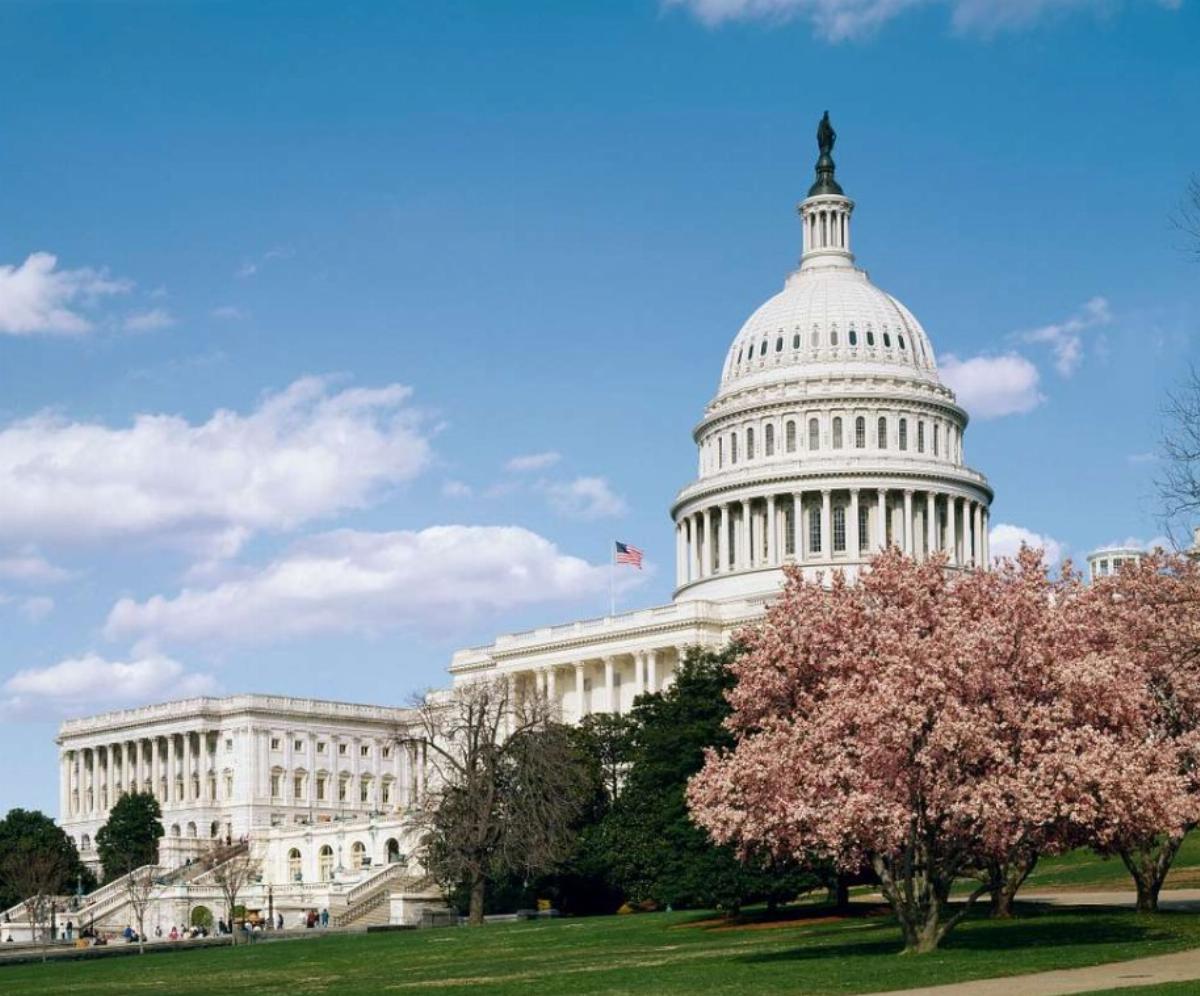
”I know no safe depository of the ultimate powers of the society but the people themselves; and if we think them not enlightened enough to exercise their control with a wholesome discretion, the remedy is not to take it from them, but to inform their discretion by education. This is the true corrective of abuses of constitutional power.”
Read more Mark Ruffalo learns about genocide
—Thomas Jefferson (1820)
A battle of wills has been developing over the past 100 years — actually longer. It’s a war of ideas, principles, and philosophy and is the seminal event for our children’s children. In truth, this conflict is eternal. Once we recognize the dividing lines, our life philosophy comes clear.
What type of government best suits the concept that Thomas Jefferson (the first democrat) articulated in this quote and in the Declaration of Independence? Is it a message that our government is all-knowing and should be powerful, or is it the message that each citizen has certain defined rights?
Keep in mind that with any right comes responsibility. That responsibility is to become aware, enlightened to the gift our nation’s founding bestowed upon the world: individual freedom sustained by a Constitution that limits government.
Our nation was conceived and designed to be a constitutional republic, not a democracy, although “one man, one vote” is a part of the process. When taken to excesses, as we see today, democracy devolves to the tyranny of the majority over the minority. The Administrative State, regulators, and bureaucrats have empowered the president, the Executive Branch, to far outstrip the other two branches, Judicial and Legislative.
The original and proper intent was that three branches of government had equal but separate powers in order to create a balance among the elements of government. The pure intent was to prevent all-powerful central control and guarantee the inalienable rights of the individual citizen to decide of his own free will. That balance is sorely lacking today.
The concept of controlling government, to make government subservient to the citizen, permeates its creation. For instance, only Congress can or should restrict free citizens through laws and taxes. The only constitutional power to tax and enact law resides with Congress. This point is critical because all laws, rules, regulations, fines, and taxes take from the citizen.
The reason this enormous power is bestowed only on Congress, and further proof of our Founders’ wisdom, is that congressional representatives must stand before the people, on whom their taxes and laws impinge, every two or six years and be held accountable for any tax, rule, or law they levy on citizens. This is the true meaning of democracy. It is not meant to empower 51 percent of the nation to rule over the other 49 percent. Democracy is one way to ensure balance.
Read more What about bad guesses?
If Congress were the only power allowed to take money (tax) and freedom (laws and regulations) away from the citizen, and since each politician must stand for elections, then we would have a more balanced relationship between government and citizen.
As it stands today, the Administrative State, under the auspices of the Executive, have subverted the intent of our founding documents by passing non-legislative edicts upon the citizen in the form of fines and regulation. The net effect on the citizen is the same: The individual suffers at the power of a non-elected government agent.
Our responsibility, as free citizens, is to make the decision on whom to send to Congress and whom to remove. I suggest we can better decide if we adhere to principle. Each of us needs to decide on his principle and exercise his inalienable rights. I submit that the Founders already articulated that principle.
The only function of government under a constitutional republic is to protect the freedom inherent in the individual. Anything else, any limit on our individual rights, including regulation, new laws, taxes, and fines, should be weighed carefully for the consequence and discarded if it impairs the individual. We can’t help one citizen at the expense of another.
Don’t elect any politician who says he is going to Washington to pass another law or spend another dime to help. Our government spends far beyond its income now — so much so that we citizens have a debt burden of $40 trillion.
Embrace any politician who wants to reduce laws and reduce taxation and who will rein in bureaucrats and their regulations (limit the Executive Branch). If that politician doesn’t have faith in every citizen to do what is right, and thinks we need more laws and regulations, then he should never be given the vast power our election bestows on him.
The first democrat, Thomas Jefferson, stated the facts clearly. ”I know no safe depository of the ultimate powers of the society but the people themselves.”
Read more What’s going on in Minnesota?
Image via Picryl.