
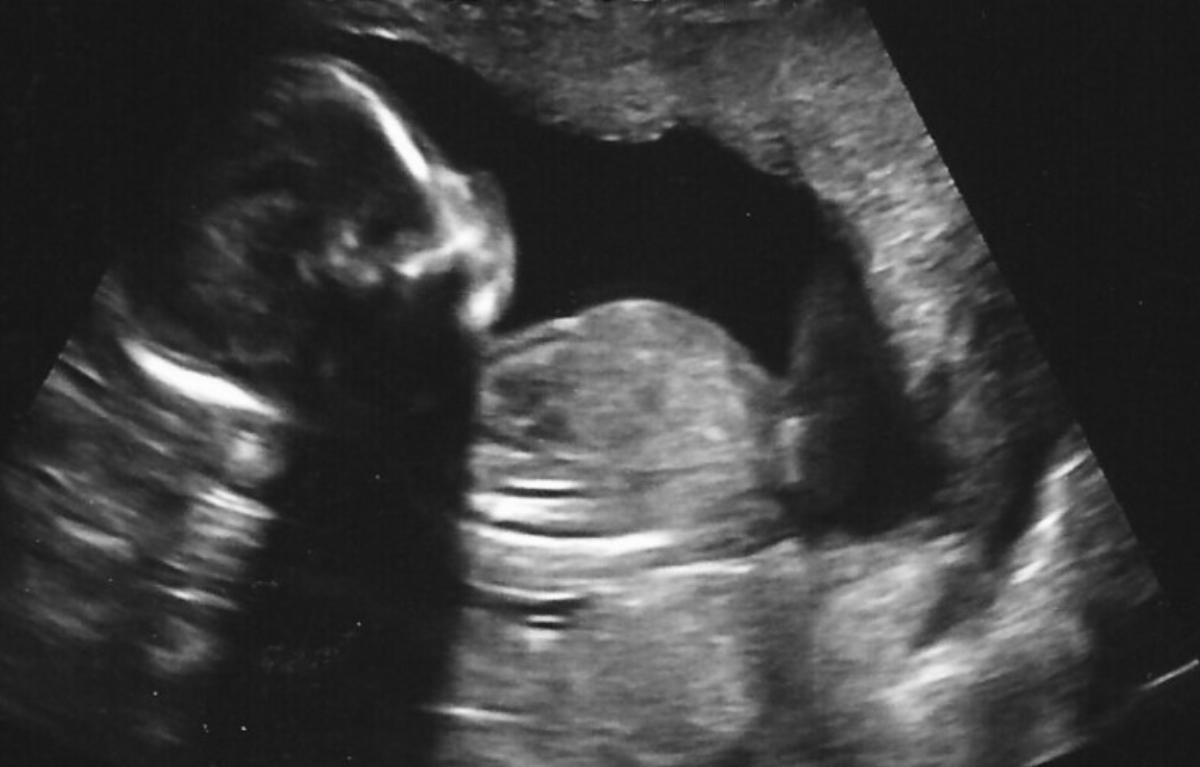
Virginians go to the polls this fall to vote on Amendment 1, a change that would ensconce abortion on demand as a “fundamental right” in the state constitution throughout all nine months of pregnancy. Virginia taxpayers should understand that a “yes” vote means being forced to pay for abortions under state Medicaid, welfare, and social services programs.
Read more Somali gangs: Old News, but also a growing problem
Amendment 1 does not come out clearly and say that — when you’re trying to make a proposal look “moderate,” you don’t advertise its extreme implications — but those implications are there. If abortion becomes a “fundamental right” (the amendment’s own language), it means the state cannot prefer or favor giving birth over abortion. If the state pays for Medicaid births, it is virtually certain it will have to pay for Medicaid abortions.
September 30 was the 50th anniversary of the Hyde Amendment, the federal provision that cut off federal Medicaid dollars for abortions. The history of the Hyde Amendment teaches lessons about Virginia Amendment 1.
In 1976, the Hyde Amendment represented a political compromise: Given how deeply Americans were — and still are — divided over abortion, forcing taxpayers to fund what many of them considered killing seemed extreme.
Pro-abortionists pushed between 1973 and 1976 to force federal funding of abortions, mostly by demanding that federal judges order Medicaid to pay for it. Their argument was that if abortion is a “right,” as Roe v. Wade claimed it is, it was “discrimination” if poor women could not get abortions that wealthy women could afford.
But having a “right” does not entail an obligation to subsidize that right. Americans have a right to keep and bear arms. Nobody suggests the government has an obligation to buy a gun for every American who wants but can’t afford one. Americans have a right to a free press. Nobody says Congress has to buy indigent Americans newspaper subscriptions.
The fight over the Hyde Amendment eventually reached the Supreme Court, which ruled that the Hyde Amendment is constitutional: There’s no obligation for the government to pay for “rights” for poor Americans. But after the matter was settled on the federal level, the fight moved to the states.
Read more Bob Gibson was made for October
Every state has a constitution. Suddenly, abortion advocates began arguing that there were undiscovered rights in state constitutions requiring government funding of abortions. And there was no small number of activist state supreme courts — mostly in blue states — that accepted that claim and forced their states to fund abortions.
Take my home state of New Jersey. The New Jersey Legislature even enacted its own version of the Hyde Amendment, cutting off state monies for abortions in the late 1970s. That didn’t stop the State Supreme Court from deciding that the 1947 New Jersey Constitution (adopted when abortion was a crime in the Garden State) required the state to pay for abortions, something it has been doing since the 1980s. If Virginia frames abortion as a “fundamental right,” you can bet the same push will happen in the Old Dominion.
There will be no vote on the question of Medicaid money for abortion. It won’t be a policy decision the Legislature votes up or down. It will most likely be forced by unelected judges who decide that Virginia’s new “fundamental right” cannot allow a little thing like no state money to “deny, burden, or infringe” (also language from Amendment 1) that “right.” And Virginians will have no ability to change that policy (short of another constitutional amendment that takes a minimum of two to three years) because the Legislature will not have authority to “deny, burden, or infringe” a “right” the state constitution deems “fundamental.”
Legal history since the 1970s shows how state constitutions have been used to force state taxpayer payments for abortions. There’s no reason to believe that Virginia will be an exception, especially with the pro-abortion Legislature and governor sitting in Richmond.
The interesting thing is that Amendment 1 really does not directly affect the current status of abortion in Virginia. Abortion is legal in Virginia and will remain so, regardless of whether Amendment 1 wins or loses. What Amendment 1 does do is handcuff the state into treating abortion as just another “procedure” about which it can have no qualms. It amputates the state’s ability to have any other position on abortion other than enthusiastic support. If you pay to support births, you’ll have to pay to stop births, too.
No one, then, should have any illusions about the radical nature of Amendment 1. Its anodyne language is deliberate, framed to allow a pro-abortion agenda to be pushed without bringing it to voters’ attention. Just as it will abolish parental consent or even knowledge about a minor child’s abortion, Amendment 1 will also with practical certainty require taxpayers to pay for abortions. It’s why Virginia taxpayers need to vote “no” on Amendment 1.
Read more America’s Pluralism Is Broken
Image: Nogwater via Flickr, CC BY-SA 2.0 (cropped).