
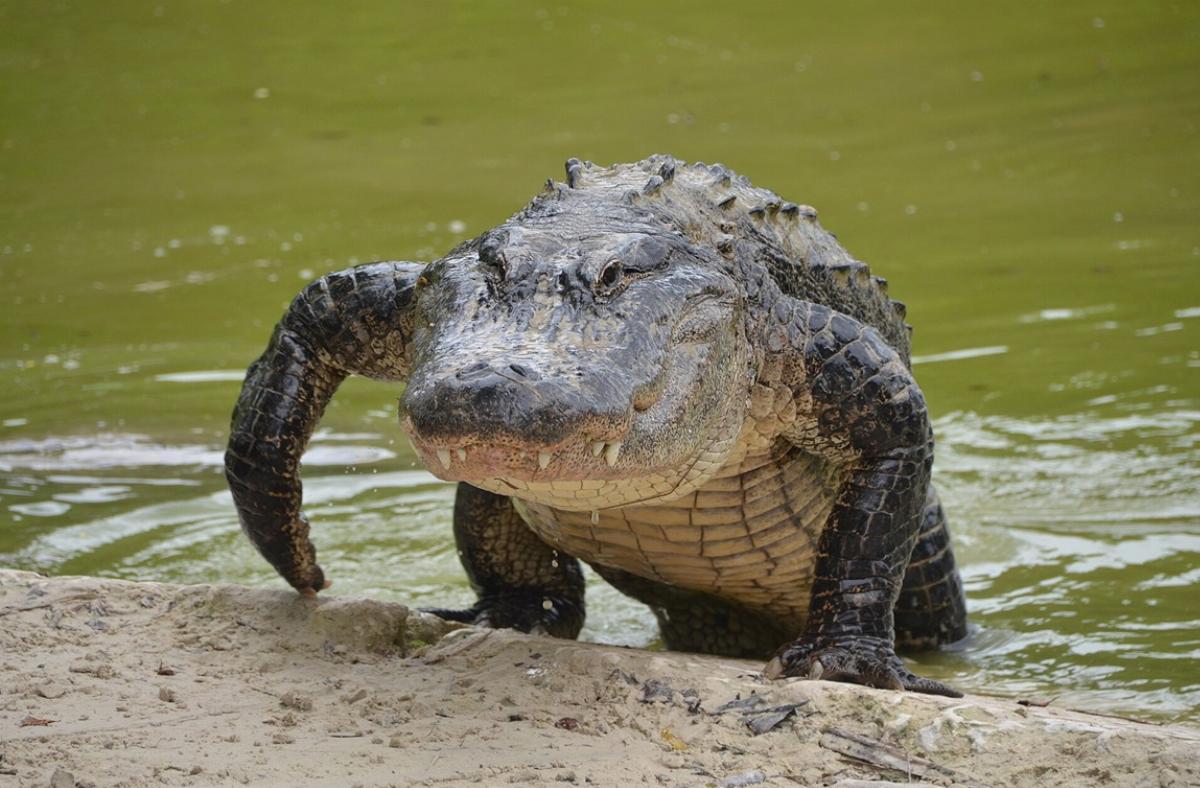
For anyone living along the water in South Florida, particularly the Keys, the American crocodile can be a familiar neighbor. People GPS animals roaming the streets to alert neighbors. Why not? It is a magnificent, ancient survivor — and a formidable predator. It is also an animal with remarkable site fidelity. Once a crocodile establishes a territory, basking area, or stretch of shoreline, simply moving it does not necessarily solve the problem. Translocated crocodiles can return. They are not like storks blessing a house in Holland.
Read more El-Sayed talks fast and looks smart, but there’s a catch
This creates a difficult conflict when a large crocodile repeatedly occupies a residential dock, canal, or other area heavily used by people and pets. The homeowner wants the danger removed. Wildlife managers want to protect both the public and a federally protected species. Relocation appears to satisfy both objectives.
But what happens when the crocodile comes back?
The important question is not whether the original intervention was well-intentioned. It is whether it worked. If an animal is removed from a documented conflict site, relocated, and subsequently returns to that same site, the first intervention has failed. Yet bureaucratic systems have an unfortunate tendency to measure actions rather than outcomes. The crocodile was captured. The crocodile was transported. The case was closed.
The crocodile, unfortunately, does not recognize that the paperwork is complete.
This is where accountability becomes more useful than blame. The root of the problem is not necessarily malice, laziness, or incompetence. It is a feedback system that can allow an unsuccessful intervention to be treated as a successful one.
The solution is therefore structural: if a translocated crocodile returns to the same documented human-conflict site, the original intervention should automatically be classified as unsuccessful and trigger a higher level of management review.
That seemingly modest rule changes the incentive structure. The objective is no longer simply to remove the animal. The objective becomes to solve the conflict.
Wildlife managers would then have reason to consider the animal’s biology, the characteristics of the site, the likelihood of homing, available deterrents, habitat modification, monitoring, alternative relocation strategies, and, when legally permitted and genuinely required for public safety, permanent removal. The appropriate biological response can remain with wildlife professionals. What changes is the institutional definition of success.
Success means the conflict does not recur.
That distinction matters far beyond crocodiles. Institutions naturally become good at completing procedures. Forms are filed, animals are moved, inspections are performed, money is spent, and boxes are checked. But none of those activities necessarily establishes that the underlying problem has been solved.
Read more Amazon took 20 years, but AI will take less
A functioning feedback loop asks something different: What happened after we acted?
If the intervention succeeds, preserve it. If it fails, acknowledge the failure, learn from it, and escalate the response. Consequence produces feedback; feedback permits correction; correction produces competence.
This is particularly important in wildlife management because biological systems do not conform to administrative convenience. An animal’s territorial behavior, homing ability, reproductive strategy, and habitat requirements exist whether regulations recognize them or not. Effective policy must therefore conform itself to biological reality rather than expecting biological reality to conform itself to policy.
The same principle applies elsewhere. Whether managing invasive pythons in the Everglades, human-wildlife conflicts in residential areas, or other recurring environmental problems, sustainability does not come from wishing away difficult tradeoffs. It comes from designing institutions capable of recognizing when their interventions fail.
The crocodile already possesses an effective feedback system. Move it from a place to which it is strongly attached and, remarkably often, it knows where it wants to go.
The crocodile remembers where it belongs. The question is whether the bureaucracy can remember what failed.
Read more Canada approved woman for MAID euthanasia because she could no longer make Sunday dinners
Image: Clément Bardot