
The recent story of the YouTube couple who joyfully celebrated their unborn son, then chose to end his life after a Down Syndrome diagnosis, exposes a deep fracture in how we talk about life, how we value it, and how quickly that value can vanish when expectations collide with reality.
Read more ‘Good omens’ is bad theology and worse morality
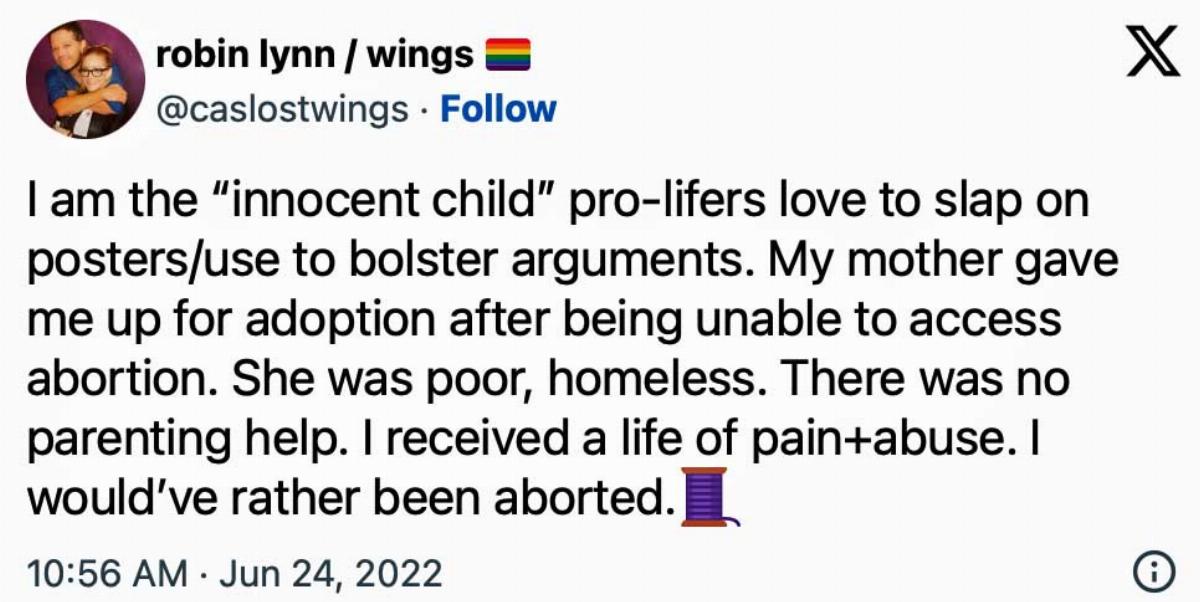
Graphic: X Post
Before the diagnosis, they did what many expectant parents do. They shared ultrasound photos with pride and spoke of their baby boy with happiness. They described him as a blessing, a miracle, a life they could not wait to meet. Their language was not clinical or detached. It was the language of parents who believed fully and without hesitation that their child was alive, a human being. They labeled him a baby, their son, a precious gift, and they were right.
But then arrived the diagnosis: Down Syndrome, a genetic difference, a challenge. This deviated from the script they had written in their minds. Suddenly, the joy that filled their posts and videos collapsed into fear, disappointment, and grief. The child they had celebrated as a miracle was now seen as a burden—not because he ceased to be human, but because he ceased to be the version of humanity they expected.
This is the turning point that cannot be ignored. They did not suddenly discover he wasn’t alive, conclude he wasn’t a baby, or decide he wasn’t their child. What changed was not his humanity but their willingness to embrace it.
And so, they made the decision to end his life. We can dress it up in softer language. We can call it “termination” or “ending a pregnancy.” But honesty demands more than euphemism. What happened was the intentional taking of a human life—the life of their own flesh and blood, a life created with love, a child they had already acknowledged as living, growing, and loved.
Read more America First versus a cult of personality
It is important to confront the moral logic that made their decision seem acceptable, because once society decides that the value of a human life depends on health, ability, convenience, or parental readiness, then we no longer have a principle that protects all life. We have a sliding scale — one that shifts with circumstances, emotions, and expectations. And when that scale shifts, it is always the most vulnerable who fall off first. Children with disabilities. Children with genetic differences. Children who require more from us than we expected to give.
If we believe that every human life has inherent worth — not conditional worth, not convenient worth, not “as long as everything goes according to plan” worth — then that belief must hold even when life is difficult, unexpected, or imperfect.
The tragedy of this story is not only that a child’s life was ended. It is that his worth was celebrated when he fit the picture of perfection and discarded when he did not. That is the moral wound at the center of this moment. And unless we are willing to name it, we will continue to repeat it.
Every life is a gift. Every life is worthy. And every life — even one with Down Syndrome — deserves protection, love, and the chance to be welcomed into the world.
Read more Breaching biohazard standards: he does it all the time