
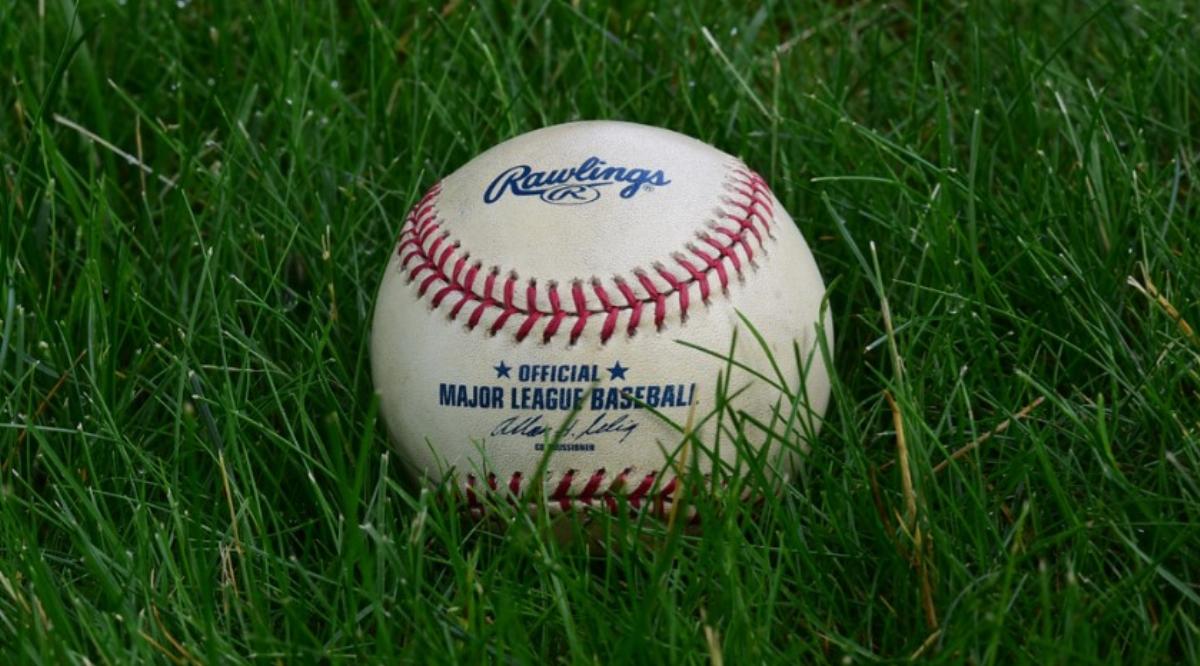
It started on May 30, 1982, and it ended September 20, 1998, when Cal Ripken decided to take a night off. He just went to the manager and said it’s time, and so the streak stopped. It shocked the fans at Orioles Stadium and many across the country.
Read more This Is The War That Ends The Endless Wars
Let’s remember the story:
A standing-room crowd of 48,013 showed up at Camden Yards for Baltimore’s final home game of the 1998 season.
When the gates opened, the scoreboard showed a lineup that was familiar to them. It included Cal Ripken, batting sixth and playing third base, the position he had occupied for the past three years.
But unbeknownst to fans, the scoreboard was not accurate. Ripken had walked into manager Ray Miller’s office 30 minutes before the teams were to take the field and told him, “It’s time.”
The decision was one that only Ripken could make, so 16 years after Earl Weaver started him, he decided to let go and end one of the most impressive records in baseball history.
Ripken said after the game that he and his wife had talked and decided that he should end the streak in front of a home crowd. “It was important for us to do it here,” Ripken told reporters. “Right here in Baltimore, right here in Camden Yards. And make it a celebration.”
Ripken had broken Lou Gehrig’s consecutive-game record of 2,130 on September 6, 1995. The Orioles beat the California Angels, 4-2, that night in front of a home crowd. As soon as the final out was made in the top of the fifth, marking it as an official game, orange and white balloons were released into the night air.
Read more Corruption in living color: House committee finds ActBlue a foreign campaign donor’s paradise
Ripken was pushed back on the field by his teammates, who told him, “[W]e’re not getting this thing going again until you take a lap. They physically grabbed me, threw me out there. And during the first part of that lap, I said ‘OK, I’ll just do it really quick.’”
I heard the news the next morning, when it was the leading story on the radio. Imagine that. A streak was the headline story in a morning newscast at 6 A.M., and I was not listening to sports radio. As the announcer pointed out that morning, Cal played through injury, the birth of his son, and the players’ strike of 1994.
I remember many fans wondering what the point of the streak was anyway. What does it mean? Some even suggested that Cal was hurting his performance or batting average playing all of those meaningless games. He was playing not only every game, but every inning. The guy never took an inning off, as they say.
Looking back, the Ripken streak was more than playing baseball. It was Ripken’s way of showing up to play and contributing to his team. Maybe he played too many innings, but the streak was a tribute to a man’s work ethic, and I loved it. I was sad when I heard it was over.
Ripken retired after the 2001 season and joined the Hall of Fame in 2007. He hit .278 with 431 HR and 3,184 over 3,001 games. He drove in 1,691 runs, an unappreciated feature of his game. He was the AL MVP in 1983 and 1991. And he played for his father, the team’s third base coach and later manager.
Read more Parental discipline, restraint and ebikes
We won’t see another streak like that, and I was lucky to see him play.
PS: Check out my blog for posts, podcasts, and videos.
Image: slgckgc via Flickr, CC BY 2.0 (cropped).