
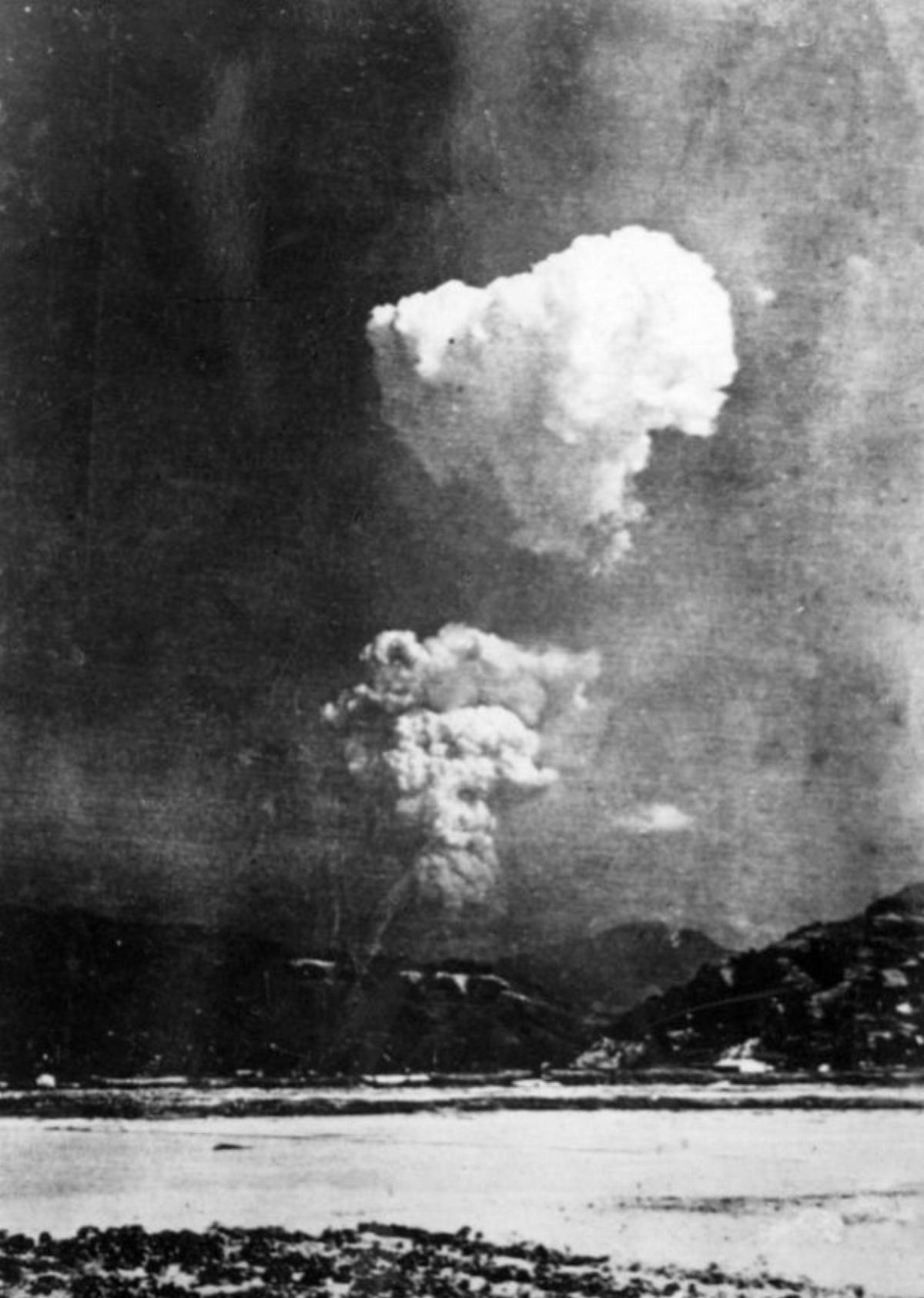
Just over eighty-one years ago, on the morning of August 6, 1945, the detonation of a single bomb, nicknamed “Little Boy,” created a fireball wider than three football fields. The blast produced a mushroom cloud that rose 20,000 feet in the air and ground zero temperatures that reached 5,000 degrees Celsius. In a split second, 70,000 unsuspecting people were vaporized, crushed, or burned. Tens of thousands were left milling about the city, seeking relief from shock, fire, and pain. Many threw themselves into the Ota River, which by the end of the day was awash with thousands of corpses.
Read more Beating the ‘Stop Nick Shirley’ act
Then, just three days later, American forces dropped a second atomic bomb, this one on the port city of Nagasaki. Instantly, 30 percent of the city and 40,000 of its citizens were destroyed. Within a week, however, Japan had surrendered, and World War II, a conflagration that caused the deaths of 50 million, was finally over.
All told, the loss of human life resulting from the nuclear explosions may have reached as high as a quarter million. Without question, the devastation visited upon those Japanese cities was of biblical proportion. But while the bombings demonstrate unfathomable hell, they more importantly served to achieve victory for America and quite likely prevented an even greater carnage from taking place.
Many are familiar with the atrocities of Nazi Germany, but far fewer know of the brutality demonstrated by Japan between 1931 and 1945. During those years, barbaric Japanese invaders murdered more than two million Chinese civilians and tortured countless others in an attempt to conquer their country.
Accounts from Nanking tell of episodes in which the Japanese rounded up Chinese citizens, tied them together in bunches with ropes, poured gasoline over them, and ignited them.
In December 1937, Japan’s army finally captured Nanjing, at that time the capital of China. In the six weeks that followed, the Japanese forces not only ravaged China’s national treasures but also conducted killing contests in which civilians were buried or burned alive, drowned, decapitated, or made targets for bayonet practice.
Like their German counterparts, they subjected children to medical experiments involving germ injections, amputations, and surgeries without anesthetic. Sex crimes committed by Japan against the women of Asia are both numerous and well-documented. None would argue that the Japanese, who along with the Germans and Americans were attempting to develop nuclear weapons, would have been morally opposed to using “the bomb” against American civilians.
Had we not used nuclear force, we would have been left with General George Marshall’s plan for an island-by-island invasion, at a projected cost of up to half a million American lives. Evidence clearly shows the Japanese, who believed their emperor to be divine, would have fiercely resisted such an endeavor. After all, at both Iwo Jima and Okinawa, the Japanese abandoned their wounded and fought to the last man. Many of them chose to be burned alive in their caves rather than surrender. Kamikaze pilots, trained in suicidal crash attacks, perhaps best illustrate the fanatical allegiance to their cause.
Read more Collectivism And God
In phase one of Marshall’s plan, Operation Olympic, 650,000 Americans would have been sent to try to capture the island of Kyushu. The Japanese were prepared to defend their turf with 540,000 troops and 5,000 kamikaze planes, assuring a historic bloodbath.
In Operation Coronet, an assembled invasion force of two million men was deemed necessary to victoriously sustain the long, arduous drive toward Tokyo. The Japanese government, in preparation for such an Allied invasion, added to the cataclysmic potential by supplying domestic households with guns, knives, and explosives.
By preventing these occurrences, the nuclear devastation absorbed by Hiroshima and Nagasaki quite likely saved a multitude of lives, not only of Americans, but of Chinese, British, Russian, Australian, and Japanese as well.
Nonetheless, every year at this time critics come forward to charge that these bombings were both unnecessary and wrong, suggesting that Japan was about to admit defeat anyway. History, however, records that when President Truman warned Japan of the impending implementation of atomic force, they steadfastly refused to surrender. Even after the horrific blast at Hiroshima, they stubbornly would not yield. Only when they realized we had multiple atomic bombs did they accept the inevitability of their fate and unconditionally surrender.
When we think of Hiroshima and Nagasaki, we cannot help being reminded of the horrors of war. But no apologies from the United States are necessary. The Japanese have only their emperor and those who blindly followed him to blame for those fateful events in the summer of 1945.
Americans, on the other hand, have Harry Truman to thank. As commander in chief of the military, he took seriously the responsibility to protect his troops. As a direct result of his courageous decision, many of our fathers and grandfathers were allowed to continue living. For that, we should be forever in his debt.
Jim Cardoza is the author of The Moral Superiority of Liberty and the founder of LibertyPen.com. Read more of his essays there.
Read more The Beef Argument That Forgot the Consumer
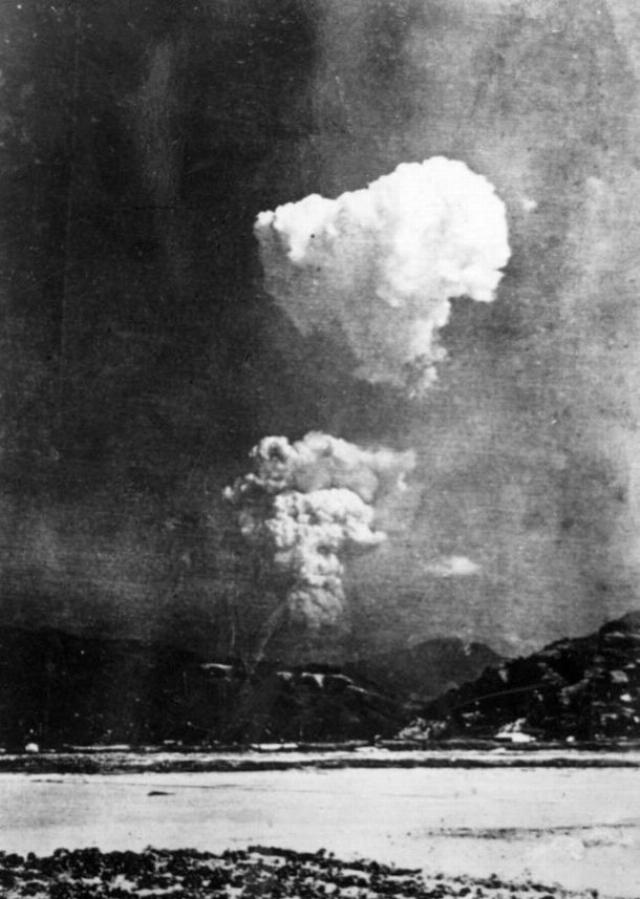
Image: Honkawa Elementary School