
One of Seinfeld’s more poignant scenes revolved around the ambiguous pigment of Elaine’s latest boyfriend. Was he or was he not black? Jerry, Elaine, and George are pondering the question and wondering if they should be doing so. George says flatly that the discussion is not okay. Finally, when a black waitress arrives at the trio’s booth to deliver checks, all three frantically toss bills toward her in a visual demonstration of liberal guilt.
Read more When Lenin Lost An Election, He Abolished Democracy
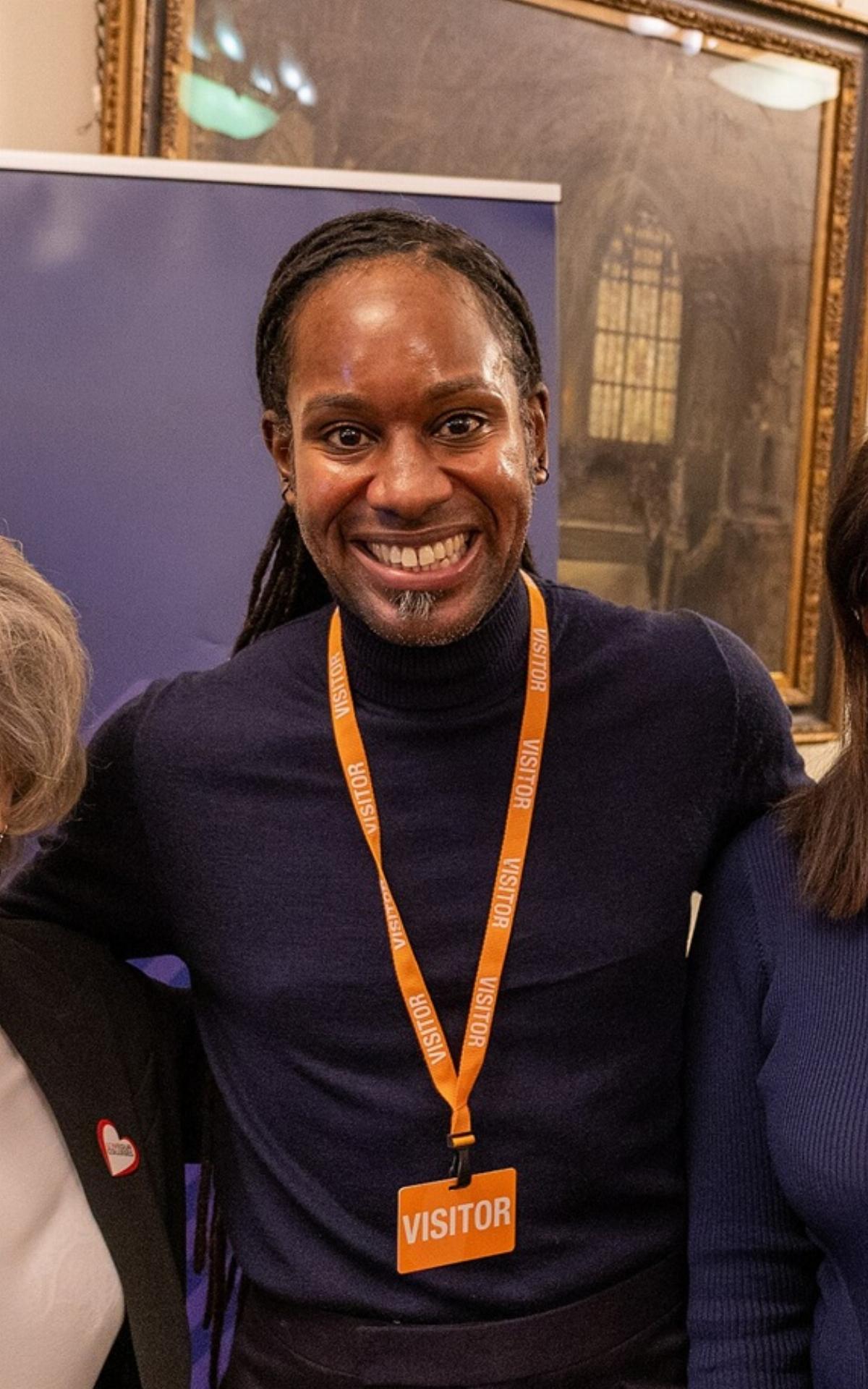
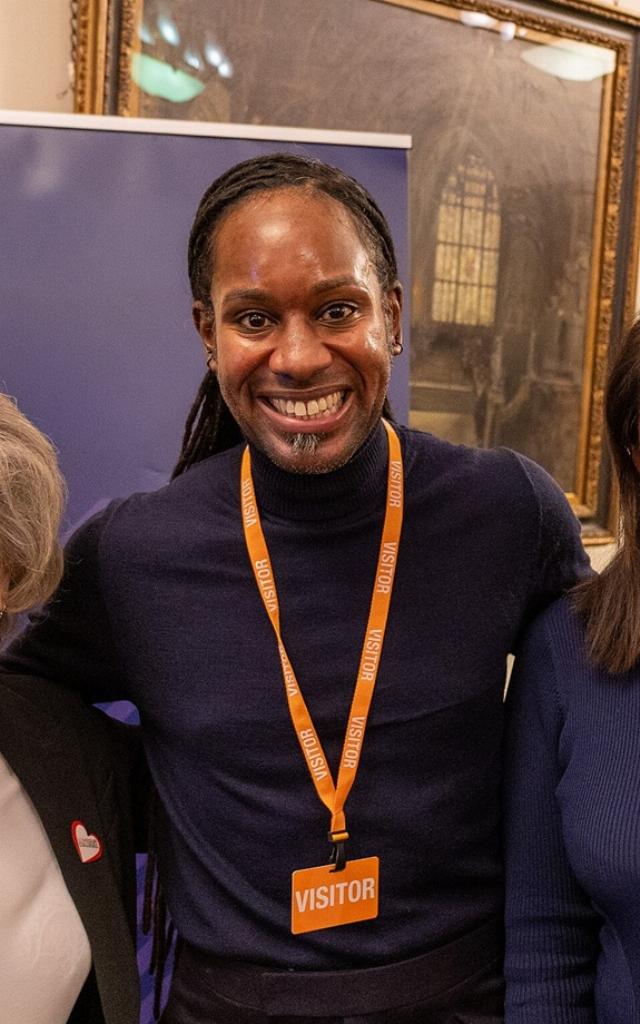
Something similar is now transpiring in the case of Jason Arday, a Cambridge professor who recently committed suicide following exposure of his academic plagiarism and wildly fictitious life story. That story included, among other imagined hurdles and accomplishments, early autism, muteness till age eleven, illiteracy prior to age eighteen, teenage epilepsy spawned by a physical attack, a brain tumor experienced while writing his dissertation, a coma triggered by a car accident, a mini-stroke, a fractured fibula suffered on one of the thirty-five marathons that he ran in thirty days (nine of which were done with the injury), and a six-hundred mile run between London and Edinburgh accomplished in six days (later amended to twelve days). Those athletic feats were said to have raised £5.5 million for eighty charities.
On the academic front, Arday’s plagiarism was extensive. Not only was his dissertation lifted inordinately from a thesis written six years earlier, his work was also filled with grammatical errors that even extended to its title: “An exploration of peer-mentoring among student teachers’ to inform reflective practice within the context of action research.” The dissertation whose work was stolen had a similar title with an appropriate apostrophe following the word “teachers”: “An analysis of the concept reflective practice and an investigation into the development of student teachers’ reflective practice within the context of action research.”
Apparently neither Arday’s diploma-awarding institution in Liverpool nor Cambridge University did any digging into his implausible background story or Arday’s clearly purloined and unscholarly dissertation. All they cared about was his DEI credentials. The same ideological criteria apply to the post-mortems that blame not Arday but rather the “racists” and “fascists” who exposed his lies.
Arday himself employed similar words to vilify truth-tellers looking into his mendacity. He even used his keynote address to the British Sociological Association last April to excoriate white conservatives and right-wing activists for using a “playbook” to target black academics like Harvard’s Claudine Gay and, implicitly, himself. Prior to his resignation, Arday had even engaged law enforcement and later the defamation law firm Carter-Ruck to threaten critics with financially ruinous and possibly career-ending charges of racism.
Read more Dividing America On Race: Russia’s Enduring Geopolitical Strategy
Somewhat surprisingly, an article in the Atlantic by Graeme Wood places significant blame on Arday himself but reserves his most creative criticism for Arday’s enablers, especially Cambridge University, which utilized his fantastic life story and academic status for its own purposes. “They may as well have taken a skin-and-bones Make-A-Wish kid, told him that he could fly, and shot him out of a cannon.” Graeme also notes that “journalists were not the ones who stuffed Arday into the cannon and lit the fuse,” conveniently overlooking the years of press stuffing for the sake of a great, though unscrutinized, DEI storyline.
The truth seems clear to me. Arday would never have received a Ph.D., much less a distinguished Professorship at Cambridge, were it not for his race and a desperate desire for DEI credentials on the part of universities corrupted by that ideology. His backstory made the exchange of integrity for “equity credit” all the more enticing, especially since integrity in the humanities has long since been compromised in the service of postmodernism and political clout. For ideologues of that stripe, traditional standards of right and wrong are merely instruments created to support entrenched power. Given that perspective, any equity-based excuse will serve to absolve a comrade from punishment for purloined scholarship and a blizzard of biographical lies.
You almost have to give Arday credit for playing the academic establishment for the frauds they are by showing just how much he could get away with. His own willingness to use racist smears and legal goons to intimidate and destroy critics, however, reveals a viciousness as despicable as that of the morally and intellectually vacuous universities he conned. And now we learn that the academic, Nathan Cofnas, who clearly exposed Arday’s plagiarism, has been suspended by Ghent University.
While a waitress receiving inordinate tips from the Seinfeld crew for an innocent conversation is humorous, there’s nothing funny about the political and cultural weaponization of race for the sake of an ideology that has largely ruined higher education and filled society with individuals and institutions willing to destroy anyone possessing the audacity to tell the truth.
Richard Kirk is a freelance writer living in Southern California. His book Moral Illiteracy: “Who’s to Say?” is also available on Kindle, as is his book Poetry with a Moral Edge.
Read more Strategy shift: Tehran is replacing nuclear blackmail with the Strait of Hormuz
Image: ConiferousForest19