
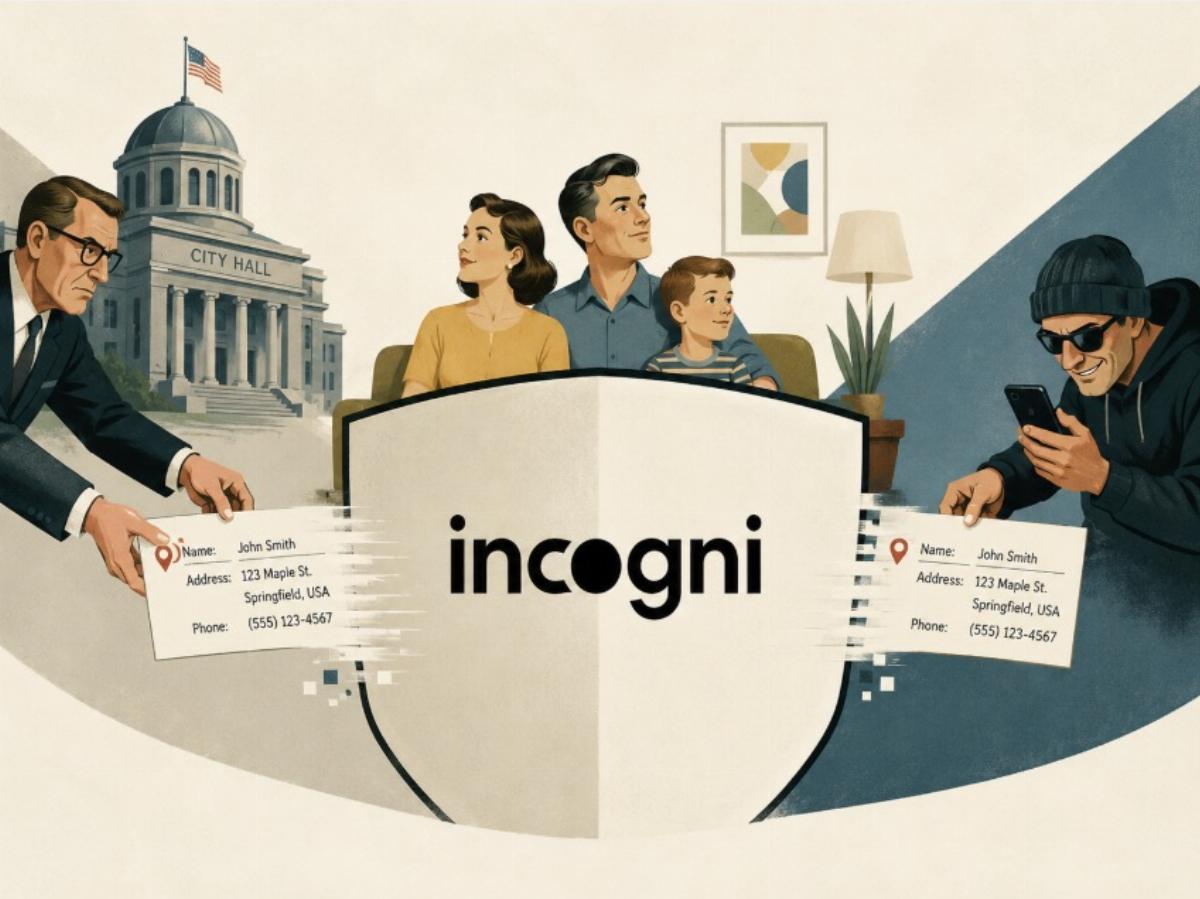
American Thinker is launching a partnership with Incogni, the personal data removal service, to bring readers ongoing coverage of the privacy and security threats now baked into everyday American life. Over the coming months, you’ll see fresh reporting here on the con artists, the political operatives, and yes, the government agencies that all have an interest in knowing exactly where you live.
Read more The Fog is Lifting
We’re starting with two stories we ran this summer. Read side by side, they make an uncomfortable case: in 2026, “private citizen” is mostly a formality.
When City Hall does the doxxing
Start with the mildest-sounding bureaucratic action imaginable, a property tax database, and watch it turn into a hit list.
As Monica Showalter reported at American Thinker, New York City’s Department of Finance, under Mayor Zohran Mamdani, published a searchable database of every “non-primary residence” in the five boroughs worth over $1 million, tied to a new pied-à-terre tax. Full names and home addresses of the owners, all in one place. City officials called it tax administration. Critics, more accurately, called it a government-published enemies list aimed at exactly the sort of people the administration has spent a year building resentment against.
Either way, thousands of New Yorkers who did nothing but own property found their names and addresses put on public blast by their own city government. And this is not a fringe problem. There were a record 133 federal criminal cases in 2025 involving threats against public officials, the highest number since the government began counting in 2013. None of that starts with a hack. It starts with someone finding an address that should have been hard to find.
When it’s not political at all, just profitable
Not every threat wears a political jersey.
Julio Rivera’s July piece on how cybercriminals already know what most Americans don’t is a reminder that the fastest-growing attacks today don’t bother trying to “hack” anything technical at all. They target the person holding the phone. Scammers now manipulate victims into approving their own multi-factor authentication requests, banking on the fact that most people, especially older Americans who came to online banking later in life, were taught that MFA equals safe and never taught what a fake prompt looks like.
As Rivera puts it, ordinary Americans have to stop treating cybersecurity as somebody else’s department. Every phone, every bank login, every family computer is a target now. No political grudge required, just an exposed name attached to enough personal detail to make the con convincing.
Read more Cancel Culture and the Mark of Cain
The common thread
In both cases, the damage started with information about a private citizen that was already sitting out there, waiting to be used. The politics of who’s doing the exposing changes from story to story. The vulnerability underneath it doesn’t.
That’s a gap our own coverage hasn’t much addressed. We often report on institutional threats to privacy: government overreach, surveillance, and censorship. We’ve written a lot less about the plain fact that anyone with about $20 and your name can already pull up your home address, your phone number, your relatives, your past addresses, and a map to your front door. No hacking required, because data brokers sell it to them legally. Political groups alone paid those brokers $23 million for voter profiles in 2020, covering names, addresses, phone numbers, income estimates, even religious beliefs. With the midterms three months out, the buying spree is happening again. The data doesn’t expire on election night. It gets resold to fraudsters running fake donation pages, to predatory lenders, to stalkers, and to whoever else wants to find you.
So the practical advice is narrower than “be careful online.” Turn on multi-factor authentication, and treat any prompt you didn’t personally trigger as an attack rather than a glitch. Assume your home address is already public and act accordingly. And get your information pulled down from the brokers who put it there in the first place, then keep checking, because they relist it the moment you stop looking.
Why Incogni
That last step is the one almost nobody does by hand, because doing it by hand means filing removal requests with hundreds of brokers and then doing it again next quarter.
Incogni sends legally binding removal requests on your behalf, monitors whether your information resurfaces, and, if it does, automatically repeats the process. Beyond the major broker databases, it scrubs your details from people-search sites, non-governmental public directories, and the corners of the internet that sell personal information outright. Its Unlimited plan goes further, letting you submit custom removal requests for anything not already covered: find your information somewhere new, send the link, and its team gets it taken down.
Every week you wait, the file on you grows. Removal takes minutes to start.
Get 55% off Incogni’s Unlimited Plan with code AMERICAN55.
You didn’t consent to being a data product. Stop being one.
This roundup was selected by American Thinker’s editorial staff. Incogni had no input into which stories were chosen or how they were characterized.
Read more If Democrats Walk Like Socialists And Talk Like Socialists, Maybe They’re Socialists