
I have a different take on the Civil War than the author of What Matt Walsh Gets Wrong about the Civil War. Today, the strong national identity that emerged from that conflict is taken for granted. However, prior to the Civil War, states’ rights were paramount, and national identity, as we conceive of it, was only partially forged. We cannot understand how our country almost broke apart without casting ourselves back to that mindset—we cannot be historically myopic.
Read more Democrats in action: Abdul El-Sayed, Stephanie White, and ‘Tampon Timmy’ Walz
The framers of the constitution grappled as best they could with the issue of whether the union of states was a voluntary association or not. For them, the issue remained unresolved and untested. It was left to a future generation of Americans to sort out. In the back of everyone’s mind the possibility that the union might dissolve was real. In fact, it should be obvious that popular opinion in the South viewed the union as voluntary or otherwise the conflict would not have gotten the support that it did and would not have been fought with such tenacity. The Civil War tested the principle of state preeminence to destruction. Northern victory in the Civil War decided once and for all that union was mandatory.
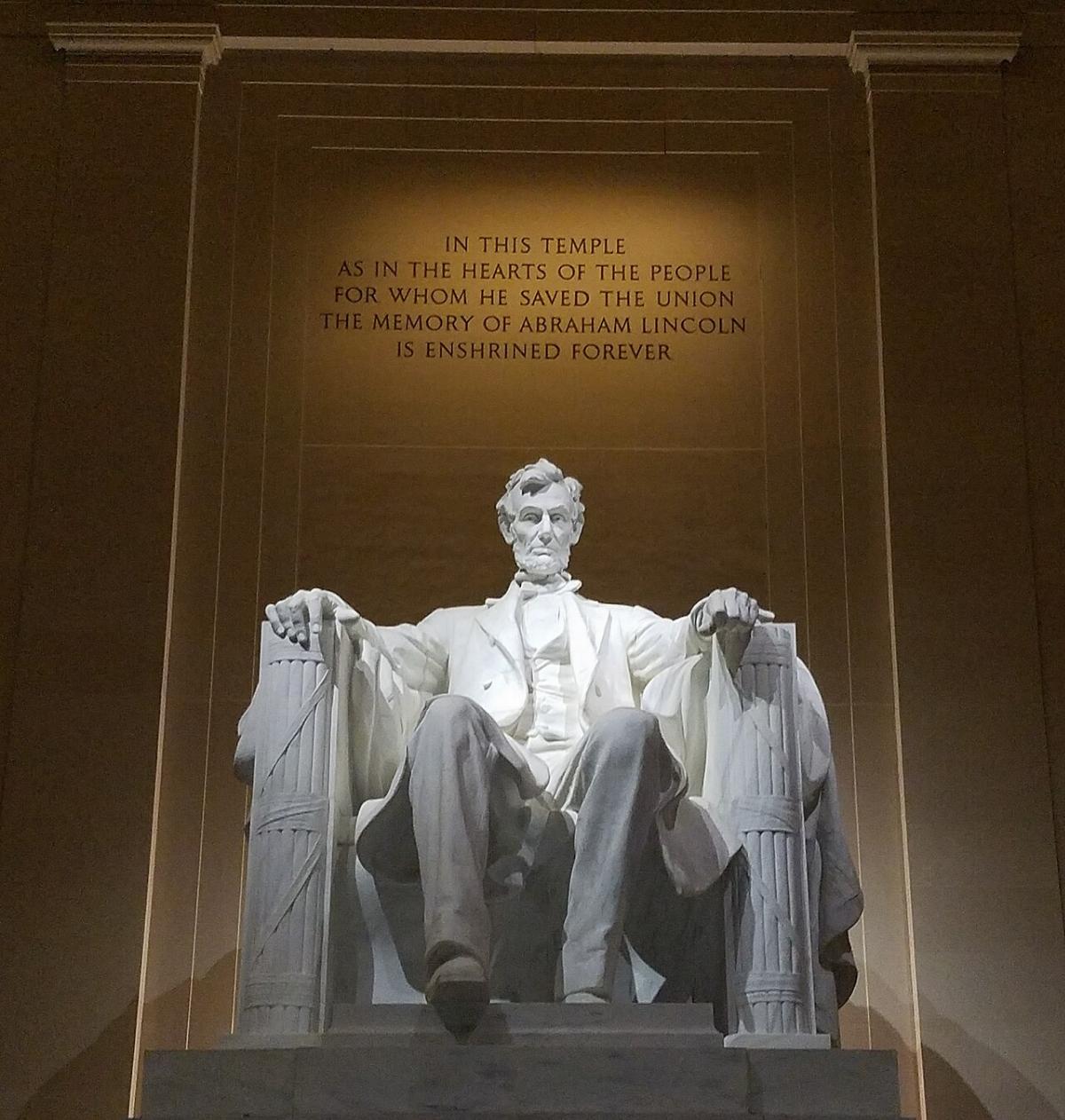
Even Lincoln in his Gettysburg address side-stepped the constitutionality of state secession. He only asserted that the preservation of the Union was necessary so that “government of the people, by the people, for the people, shall not perish from the earth.” However, in that address he does not fully explain how partial dissolution of the union would hasten an end to democratic rule in general.
That said, I prefer living in the United States as it is constituted today, a large, unified nation spanning the North American continent. However, my preference, and I assume the preference of most Americans, has little bearing on what the union meant to Americans in 1860. It is a mistake for one to assume that people possess a universal interpretation of concepts across space and time.
It is instructive to contrast the American Civil War with Bismarck’s wars for German unification that took place during the same period. Both Lincoln and Bismarck had similar aims of national unification. What Bismarck was able to attain through a series of short, sharp shocks was only attained by Lincoln through a drawn-out war of attrition, a war in which the South had no chance of overcoming the North’s advantage in manpower and industrial capacity. Yet, both parties continued the war for four bloody years, the South mostly for the sake of honor and the North out of dogged determination to come out ahead.
Matt Walsh’s Civil War takeaway is simple. In the process of defining our nation, we came to a point of tragic disagreement that was resolved through force of arms. Whether cooler heads could have prevailed, it remains that our identity as a nation was forged in that conflict. Moreover, we should revere the valor of soldiers and leaders on both sides of the conflict. Although the latter is not a fashionable statement, I believe it to be the correct one.
Read more The Communist Threat to America is Real
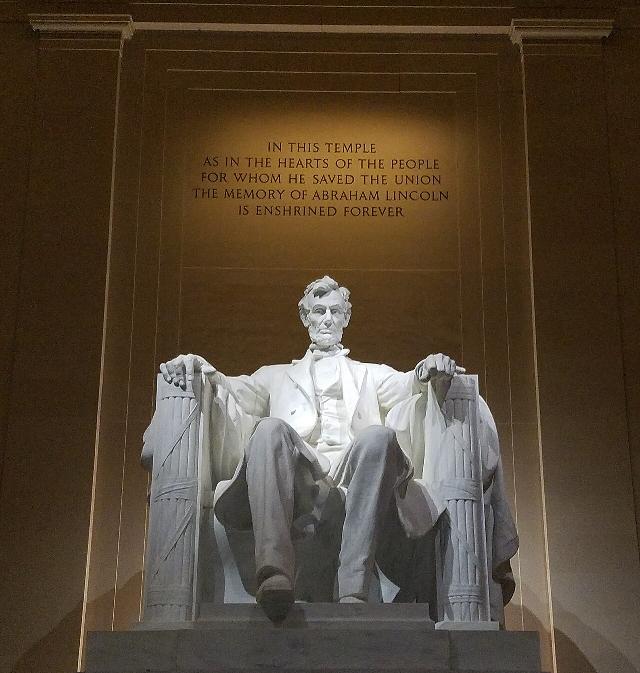
Image: Cathy Rowe, CC BY-SA 4.0, via Wikimedia Commons, unaltered.