
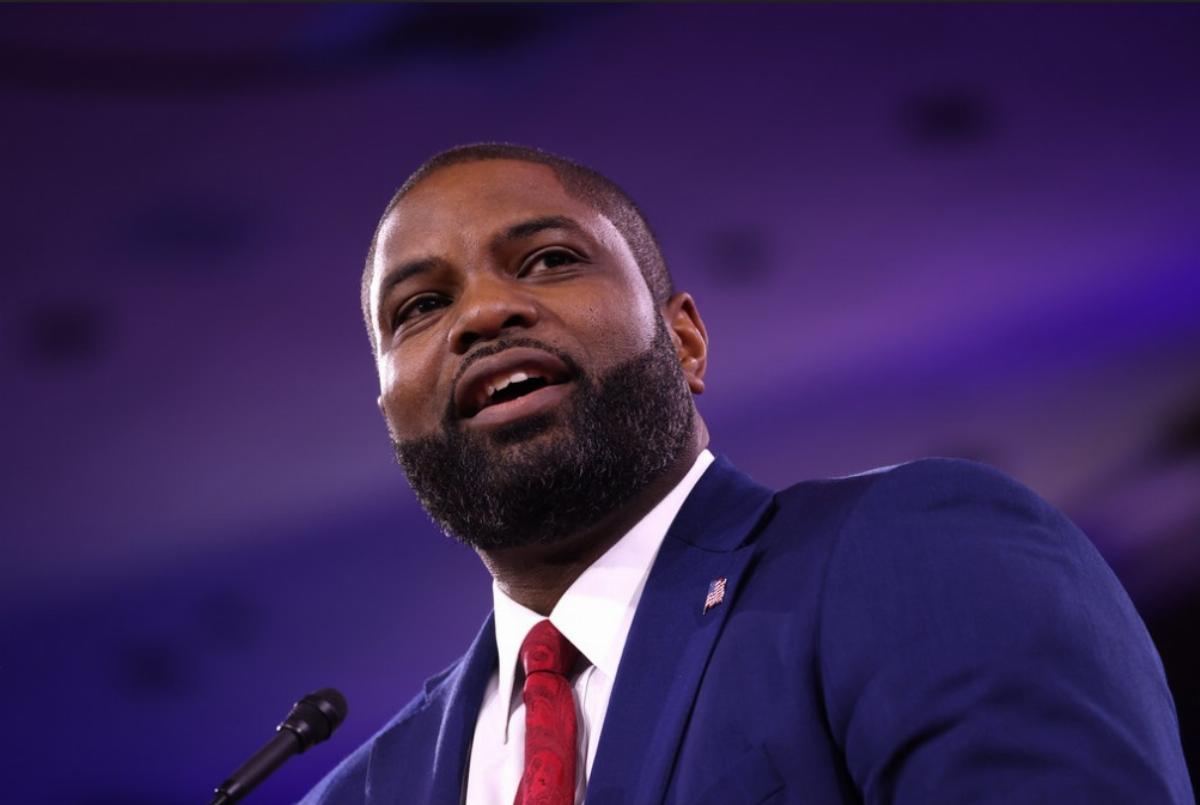
For months, Florida Republicans have been told the governor’s race was essentially over before it had truly begun. The message: Byron Donalds has it.
Read more The Spendthrift State
The money was raised. The endorsements were secured. The consultants declared a frontrunner. Many in the political class behaved as though Republican voters were simply expected to ratify a decision that had already been made.
But voters have a funny habit of refusing to follow the script.
A new benchmark survey from the Political Matrix suggests that the race may be far more fluid than conventional wisdom would have us believe. Congressman Byron Donalds remains in first place with 32.2 percent support, but nearly one-third of Republican voters remain undecided. Former Florida House Speaker Paul Renner has climbed into second place at 18.8 percent, while James Fishback stands at 13.1 percent. Jay Collins and Bobby Williams trail in the low single digits.
The most interesting number in the poll isn’t who is leading. It’s who isn’t decided.
Nearly one out of every three Republican voters is still looking for someone to earn their vote. That should tell every campaign something important. Florida Republicans are not looking for a coronation. They’re looking for leadership.
Political momentum isn’t measured only by who’s in first place. It’s measured by who is giving voters a reason to take a second look. Between the previous Political Matrix survey and the current one, Renner gained ground while continuing to define himself before voters. Donalds remains the frontrunner, backed by significant financial support and President Donald Trump’s endorsement, but even with those advantages, a substantial share of the Republican electorate has yet to commit.
That doesn’t mean Donalds is in trouble. It means the race is still alive.
What struck me most wasn’t simply the polling numbers. It was the conversation beginning to emerge around what Florida’s next governor should actually focus on.
For the last several years, conservatives have fought, and won, major battles over parental rights, election integrity, illegal immigration, and public safety. Those victories reshaped Florida and helped establish it as one of the nation’s leading conservative states. But success creates new responsibilities.
Today, the conversations I hear across Florida sound different than they did four years ago.
Families are talking about property insurance that has doubled. Young couples wonder whether they’ll ever be able to buy a home. Retirees who moved here for financial security are watching their monthly expenses climb. Rural communities are asking what rapid development means for their water, electrical grid, and quality of life.
Read more Patriots Won’t Let Communists Take America
Floridians are beginning to ask not only how we protect our freedom, but how we preserve the Florida they came here to find.
That is where Paul Renner appears to be carving out his lane.
Rather than simply revisiting yesterday’s political battles, he has begun talking about the next generation of challenges: affordability, responsible growth, property taxes, homeowners insurance, and whether Florida can welcome technological investment — including artificial intelligence, without sacrificing the communities that make this state unique.
Whether voters ultimately agree with every proposal is almost beside the point. He’s framing a conversation that many Floridians are already having around their own kitchen tables.
That’s how campaigns gain momentum, no through slogans, through relevance.
One proposal attracting particular attention is Renner’s call for a moratorium on new hyperscale data centers until Florida better understands their long-term impact on infrastructure, water resources, and the electrical grid. Supporters view it as a prudent pause to ensure growth is managed responsibly; others may disagree with the approach. Either way, it reflects a broader question about how Florida should balance economic opportunity with stewardship of its communities.
Florida has become one of the fastest-growing states in America because people believed it offered something increasingly rare: freedom, opportunity, and a better quality of life. The challenge now is making sure that growth doesn’t erode the very qualities that attracted people here in the first place.
Every election eventually becomes a choice about the future, not simply who can win; but who understands what’s coming next.
This poll is only a snapshot. It is not a prediction. Polls change. Campaigns evolve. Debates are held. Voters continue paying attention. What cannot be ignored, however, is this: Florida Republicans are still listening. They are still evaluating. And despite months of headlines suggesting this race was over before it began, the voters themselves appear to be saying something very different.
They’ve just begun asking the questions that will decide who leads Florida into its next chapter.
Read more Abolish The Police, Seize The Corporations, Erase The Borders
Image: Gage Skidmore