
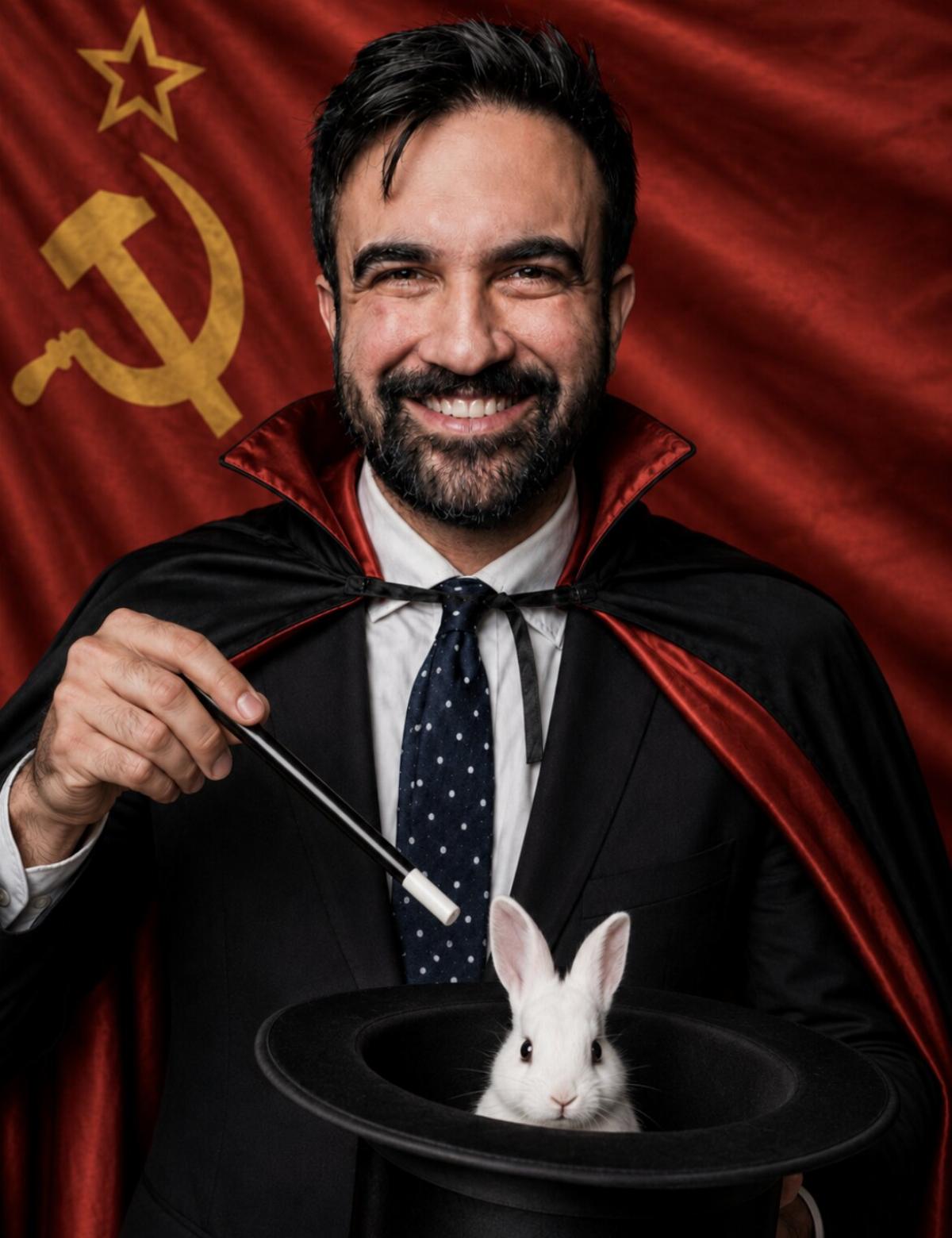
There is something ironic about Zohran the Magnificent’s background that many have overlooked. Mahmood Mamdani, Zohran’s father, was born into a family within the large ethnic community of Indian merchants in East Africa that flourished under British colonialism. By the end of British rule in Africa, there were roughly 350,000 Indians living in East Africa comprising a substantial portion of the merchant class. Under British rule, the Indian community prospered, serving indigenous African needs through their role as a middleman, a role that Jews have occupied throughout history.
Read more Mosques and Islamic centers are proliferating across America
The Indians in East Africa, like the Chinese in Malaysia and Singapore, benefitted from liberal British policy. The immigrant Indians, like their Chinese counterparts, were admired for their hard work, thrift, and merchant skills but they also evoked envy amongst the indigenous people because of their success. After the British left, this undercurrent of jealousy spilled over into African nationalist politics. The Indian community experienced restrictions on their commercial and civic activity, and in the case of Uganda, they were expelled from the country. These actions were similar in nature to the harassment and expulsion that Jews experienced under Nazi rule in the ‘30s, and later were subjected to in Arab countries after Israeli independence.
This was the fate of Zohran’s father and relatives. You would have thought that Indian expulsion from Uganda would have left him with a profound distaste for African nationalist politics and sympathy for Jews who experienced similar inflictions, but you would be wrong. Prior to his family’s expulsion from Uganda, by Mahmood’s own admission, he was radicalized by the student antiwar movement in the U.S. while a student at Harvard in the late ‘60s and early ‘70s.
Read more Democrats will burn America down with their Trump hatred
He came to view British colonialism in East Africa as oppressive and U.S. foreign policy as a form of neo-colonialism and equally oppressive. As leftist ideology expanded its reach within the elite U.S. universities, Mahmood would become a welcome addition representing a group that leftists viewed as having suffered from colonial oppression. In reality, the reverse was true: Mahmood and his people benefitted greatly for generations from British rule and suffered under the rule of Idi Amin who expelled them from Uganda while cheered on by black nationalists and third world sycophants.
Within the university system, Mahmood made a career attacking British colonialism in Africa, U.S. involvement in African nations, and Western civilization, in general. I guess it was great for him, but bad for anyone who sees history as an exercise in objectivity. At the foot of his father, Zohran absorbed this radical worldview. Apart from the addition of LGBTQ ideology, Zohran has lifted his worldview wholesale from his father. From this perspective, it is no wonder that Zohran hates Israel and harbors a love for wearisome third world Marxist ideology.
Read more Trump, a non-traditional middle-class president
Image generated by ChatGPT.