
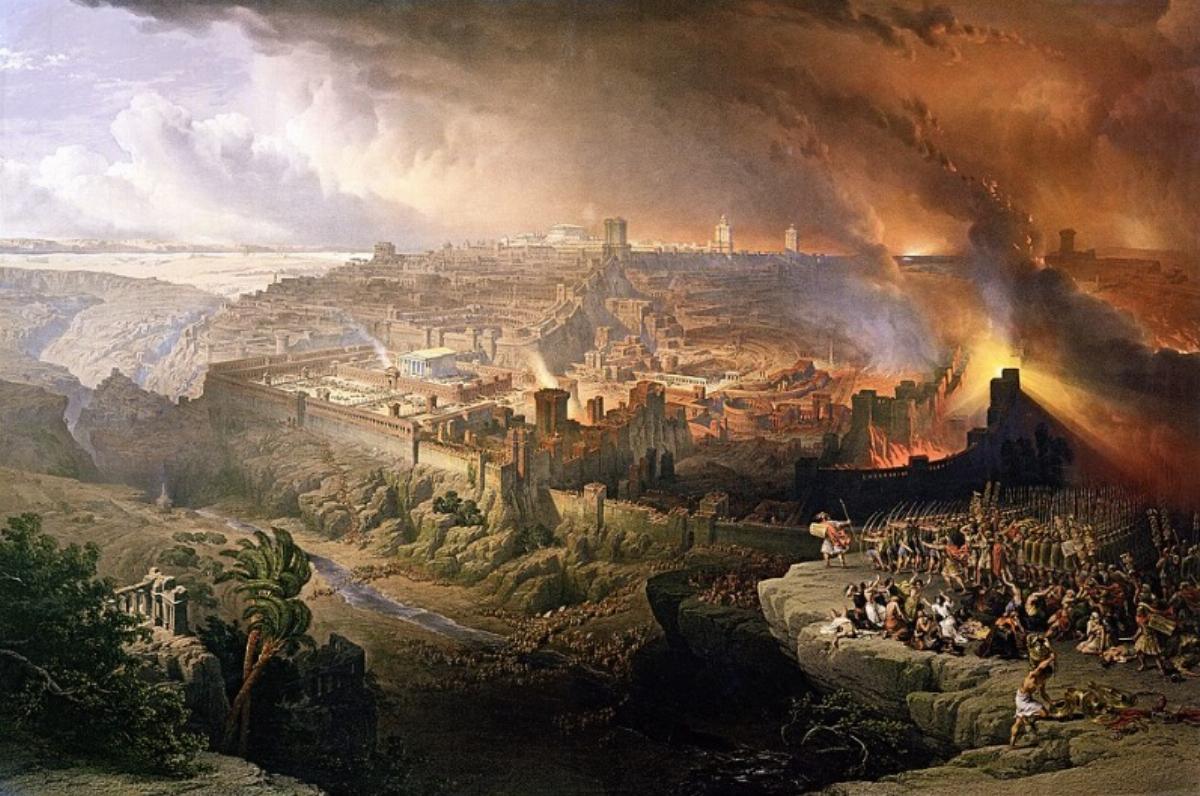
I won’t be eating or drinking today, Thursday, July 23. Tisha B’Av (or the Ninth of Av) is a fast day memorializing the destruction of the two Temples in Jerusalem, once by the Babylonians and once by the Romans. In addition, I will not be wearing leather shoes or using olive oil to make my face shine. I am sitting on a hassock instead of a regular chair.
Read more Potential Graham Platner replacement talks about his ‘cycle’ which includes leaking mucus from….?
When I attend services at our synagogue, I will nod at acquaintances but will not ask after their health or their families. On Wednesday night, we read the biblical book of Lamentations. Today, we will read different lamentations that recall many other Jewish disasters, such as the English slaughter of the Jewish community of York and the Holocaust almost a millennium later.
I have not seen or heard about a poem commemorating the slaughter of October 7, 2023, but its appearance would not surprise me. This reflects the Jewish desire not to sully life with constant tragedies. We could, if we wished, insist on finding reasons to mourn actively on every day of the calendar. Instead, we squash all the days of suffering into Tisha B’Av, the ninth day of the lunar month of Av.
This drive to force ourselves into the past through actions, rather than fleeting thoughts, is strong among us. A popular song in Israel contains the line, “Our fathers were the roots, and we are the blossoms.” Then, a few years later, we turn into roots, and our children become the blossoms.
The Passover meal finds us leaving Egyptian slavery every year. We build huts on Sukkot every year to recall our dependence on God during our forty years of wandering in the desert. The most important day for clinging to the past is the Sabbath, Shabbat: no professional involvement, no electronic devices, no car travel, etc. Shabbat is like having Thanksgiving once a week.
Shabbat frees Jews from ordinary toil one day in seven. Before the biblical day of rest, in the late Stone Age, there was no day of rest for anyone. Shabbat was a major cultural development that, I am sure, no one from any culture would want to disappear. Life as a drone would reduce both our quality of life and our lifespan.
Read more Iran’s version of whack-a-mole
One day in seven, the Jewish household changed tempo. It was forbidden to use animals for labor. The profit motive was entirely ignored. Everyone ate, but no one earned his keep on Shabbat. Yet we would not give it up.
Others, including scholars, have identified this attachment to the past as a source of antisemitism. It is little wonder that the political Left cannot tolerate the Jewish lifestyle. Memory needs to be erased so that equality can be established, they say. This negation of the past, of course, cannot happen because there are books and inquiring minds.
Explaining human persistence will, of necessity, require reference to the past because that is how we have stayed alive. Why should we continually repeat our previous mistakes? Instead of leaving life to chaotic forces, why not insist on moving onward and upward? The principle of using the past to guide our future makes sense.
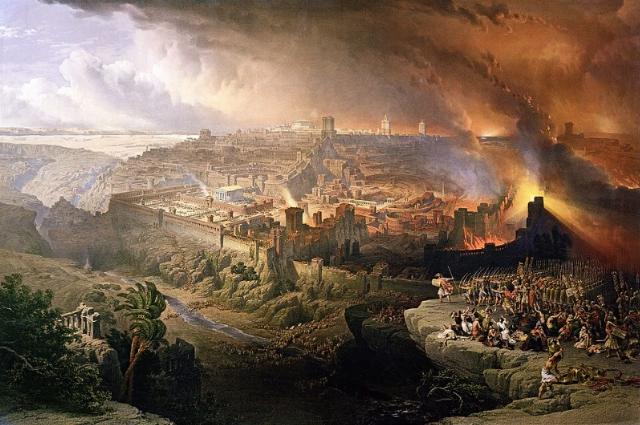
David Roberts’ The Siege and Destruction of Jerusalem by the Romans Under the Command of Titus, A.D. 70. Public domain.
Read more The G.I. Bill and the rise of the DSA