
In Andrew Lloyd Webber’s Cats, the faded and rejected Grizabella sings one of modern theater’s most haunting songs: “Memory.” Once glamorous, she now wanders broken and alone. Yet by the end of the Jellicle ritual, the tribe chooses her for ascent to the Heaviside Layer — a realm of renewal and rebirth. Her acceptance transforms private failure into collective hope.
Read more You can’t have two winners in sports
The story endures because it taps into something permanent in human nature: the longing for redemption, forgiveness, and transcendence.
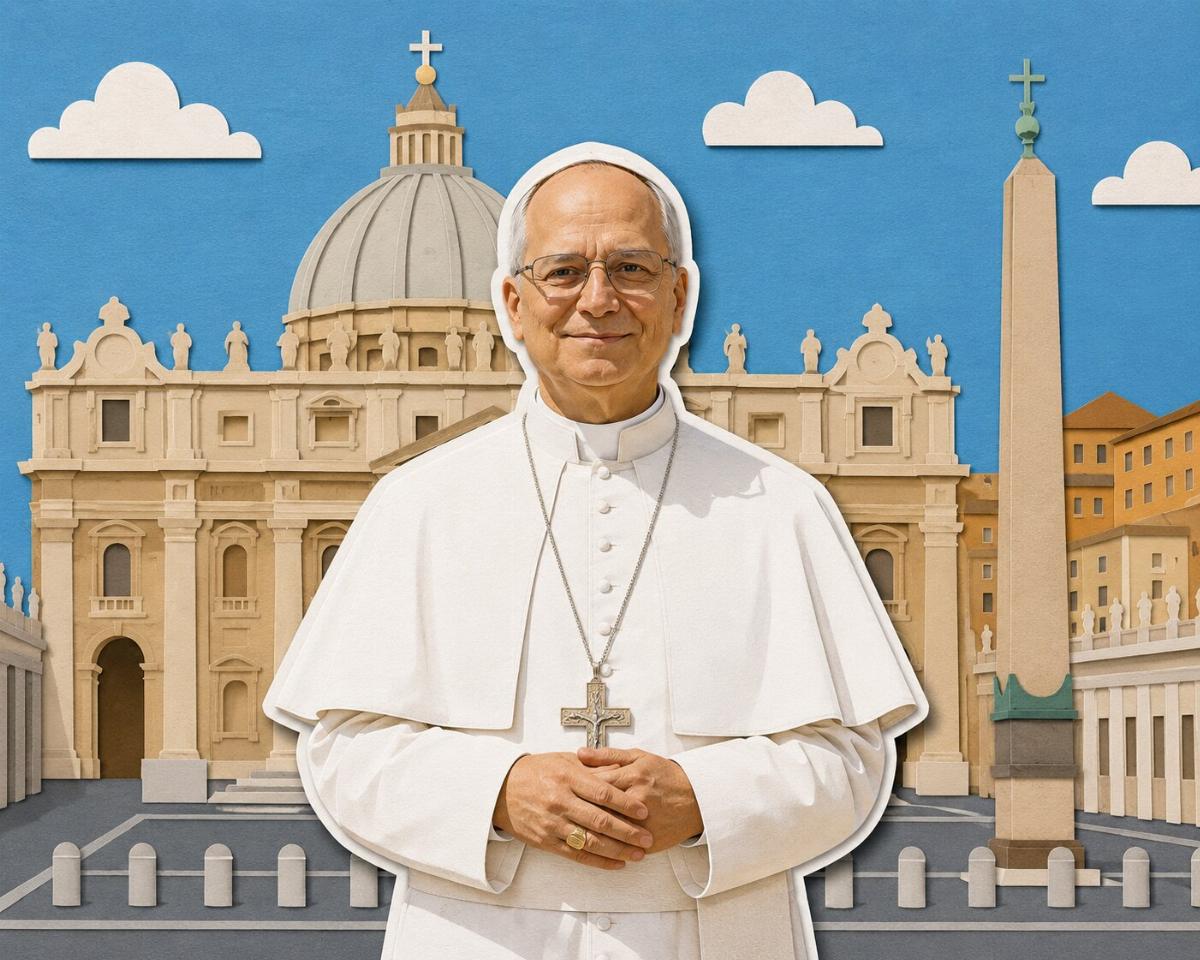
That same longing stands at the center of Pope Leo XIV’s 2026 encyclical Magnifica Humanitas. The document offers a necessary defense of human dignity in the age of artificial intelligence. Yet it misses a deeper opportunity: to fully imagine how AI, properly ordered, might serve humanity’s recurring drama of fall and restoration.
Echoing Leo XIII’s Rerum Novarum, the encyclical rightly warns against reducing persons to data points, against systems that prize efficiency over dignity, and against new forms of technological domination. It insists that human worth is intrinsic, not earned through algorithmic usefulness.
This caution is justified. Today’s AI is too often shaped by commercial forces centered on prediction, control, and profit. Without ethical boundaries, it can deepen isolation and fragment memory rather than heal it.
However, the encyclical’s imagination remains largely defensive.
Grizabella’s arc reveals an essential truth: human beings fall, remember what they once were, and yearn to rise again. AI systems already show promise in supporting this pattern. They can help reconstruct personal memories for the elderly and the traumatized, restore coherent narratives after strokes or loss, and offer low-stakes environments for practicing forgiveness and reconnection.
Generative tools further allow ordinary people to externalize buried creativity and visualize futures they struggle to articulate. At the societal level, AI could help communities process shared wounds and model pathways toward reconciliation.
Read more Trump plays 4D chess again–still
By focusing so heavily on risks, Magnifica Humanitas risks treating technology primarily as a threat to contain rather than a tool to be directed toward higher ends. Historically, the Church did not merely restrain the instruments of new civilizations — it baptized and elevated them. Pagan philosophy, Roman law, and Gothic engineering all found new life under Christian vision.
Ethical guardrails are essential, but they should not become an end in themselves. The deeper challenge is to shape AI so it assists the ancient human journey from brokenness toward renewal.
Grizabella does not ascend because she is the most productive or useful. She ascends because the community sees in her frailty something shared and universal. Mercy, not utility, becomes the ground of restoration.
This remains the central question of the AI age. Will we build only systems of restraint and control, or will we dare to direct these powerful new tools toward memory, healing, and transcendence?
Pope Leo XIV has sounded a necessary warning. But civilizations endure not merely by fearing new powers, but by ordering them toward humanity’s highest aspirations. The human hunger for transcendence is not a flaw to be managed. It is one of the defining features that makes us worth protecting in the first place.
Read more Corporate taxes and the politics of oversimplification

Image generated by ChatGPT.