
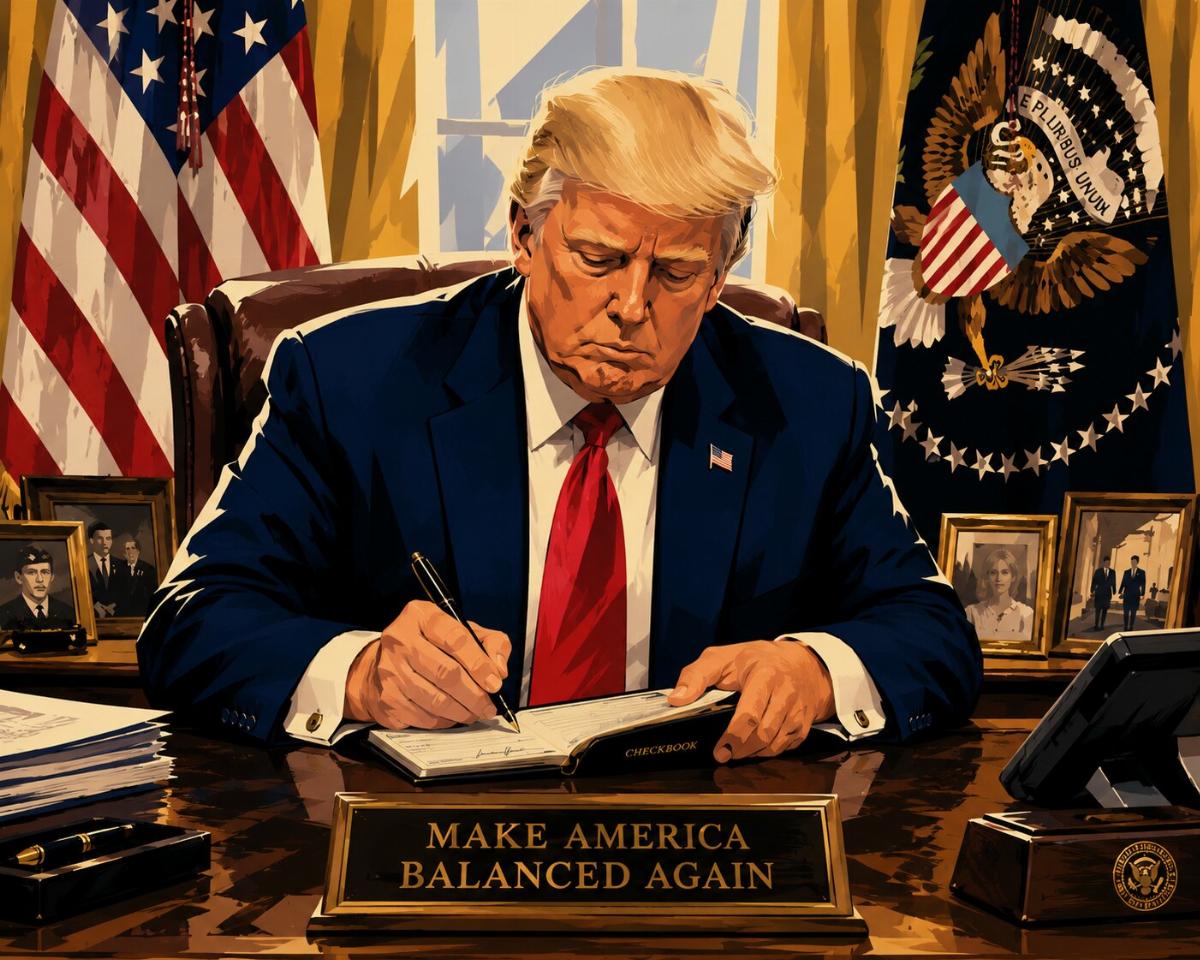
In a decisive move that puts American families first, the Donald J. Trump administration has thrown its weight behind banning the sneaky contracts hospitals use to shield themselves from competition.
Read more Iran, Fauci Broke the IC; and Philadelphia’s Crooked D.A.
These anti-steering, anti-tiering, and all-or-nothing deals let dominant hospital systems force insurers to send patients their way no matter the cost—or lose the whole network. The result? Sky-high prices that crush families, businesses, and workers. A new analysis shows banning these practices nationwide would slash hospital prices by about 18 percent in affected markets, cutting family health premiums by roughly $1,800 a year.
That is not abstract policy talk. It is concrete dollars back in the pockets of parents paying grocery bills, mortgages, and doctor visits.
The savings come from three clear channels: insurers regain leverage to negotiate tougher, patients get steered toward lower-cost care, and rival hospital systems gain room to compete over time. For the 24 percent of employer-sponsored insurance enrollees in markets where these clauses bite hardest, the impact would be immediate. Scaled nationally, it adds up to $45 billion in annual premium relief across the country.
Rural areas stand to gain especially, as big urban systems lose their ability to export high prices to smaller communities. Independent rural hospitals get breathing room, while patients pay less.
This is exactly the kind of practical, pro-competition action that cuts through Washington dysfunction. For too long, powerful hospital networks have rigged the game against ordinary Americans. They protected bloated costs while families stretched paychecks thinner every month. The Trump administration is not wringing hands or offering studies. It is acting directly, confronting the structures driving up health care expenses that eat into take-home pay and economic security.
Critics love to paint the current economic picture as bleak, and polls reflect real frustration.
The latest Marist survey shows only 33 percent of Americans back Trump’s economic handling amid lingering cost pressures. Data for Progress just Democrats holding a three-point edge on jobs and the economy. The blue lead jumps to eight points on inflation and holds at two points regarding taxes and government spending. The new Forbes/HarrisX generic congressional ballot survey declares that red and blue are virtually tied.
These numbers capture genuine pocketbook pain that no one dismisses. Yet the scene among Republican voters is quite different.
Read more Starmer resigned: What happens when you consistently betray your nation
A Democracy Institute survey, done in partnership with yours truly, reveals that 79 percent say Trump’s record on non-economic issues outweighs all else. Eighty-eight percent still view him as worthy of support based on non-financial matters alone. Eighty-six percent say they will vote based primarily on that non-fiscal record even if the economy does not improve before Election Day. And 94 percent plan to turn out for Trump over GOP congressional candidates.
This loyalty is not blind. It reflects voters who understand temporary headwinds do not erase sustained fights for American sovereignty and against elite overreach. The base is locked in.
The challenge for keeping Republican majorities in Congress lies with a shrinking group of swing voters and a far larger share of Americans who are disgusted with Democrats but not sold on Trump. These people are squeezed hard by costs like insurance bills, hospital charges, and the daily grind of making ends meet.
That is why this White House push against anti-competitive hospital contracts matters so much. It targets one of the most visible pain points in family budgets. Health care costs have long been a stealth tax on Americans, quietly eroding salaries and opportunity. By restoring competition, Trump’s administration is showing it hears those concerns and is delivering structural fixes instead of temporary bandaids or blame-shifting.
These days, Democrats call themselves the party of “affordability.” Yet they spent years defending or ignoring horrid market distortions while costs climbed. Now, Trump’s administration is reversing that trend without apology. No excuses. No vague promises of future studies. Just direct confrontation with practices that inflate premiums and shield inefficiency.
The midterms will test whether voters reward results over rhetoric.
GOP voters are already mobilized by a vision larger than any economic indicator. Persuadable non-Republicans are frustrated with both high costs and failed alternatives. They appreciate policies that actually lower what is paid for care. Banning these hospital sweetheart deals is smart economics and clear-eyed politics. It strengthens the hand of families, businesses, and communities against concentrated power.
In the end, elections turn on who fights for the people paying the bills. President Trump’s administration does exactly that. It cuts through the noise, delivers measurable relief, and reminds voters that America First means putting their prosperity ahead of vested interests.
That is the kind of leadership that holds ground when the stakes are highest.
Dr. Joseph Ford Cotto is the creator, host, and producer of News Sight, delivering sharp insights on the key events that shape our lives. He publishes Dr. Cotto’s Digest, sharing how business and the economy really impact us all. During the 2024 presidential race, he developed the Five-Point Forecast, which accurately predicted Donald Trump’s national victory and correctly called every swing state. Cotto holds a doctorate in business administration and is a Lean Six Sigma Certified Black Belt.
Read more Al Gore: inconveniently wrong again–still
Image generated by ChatGPT.