
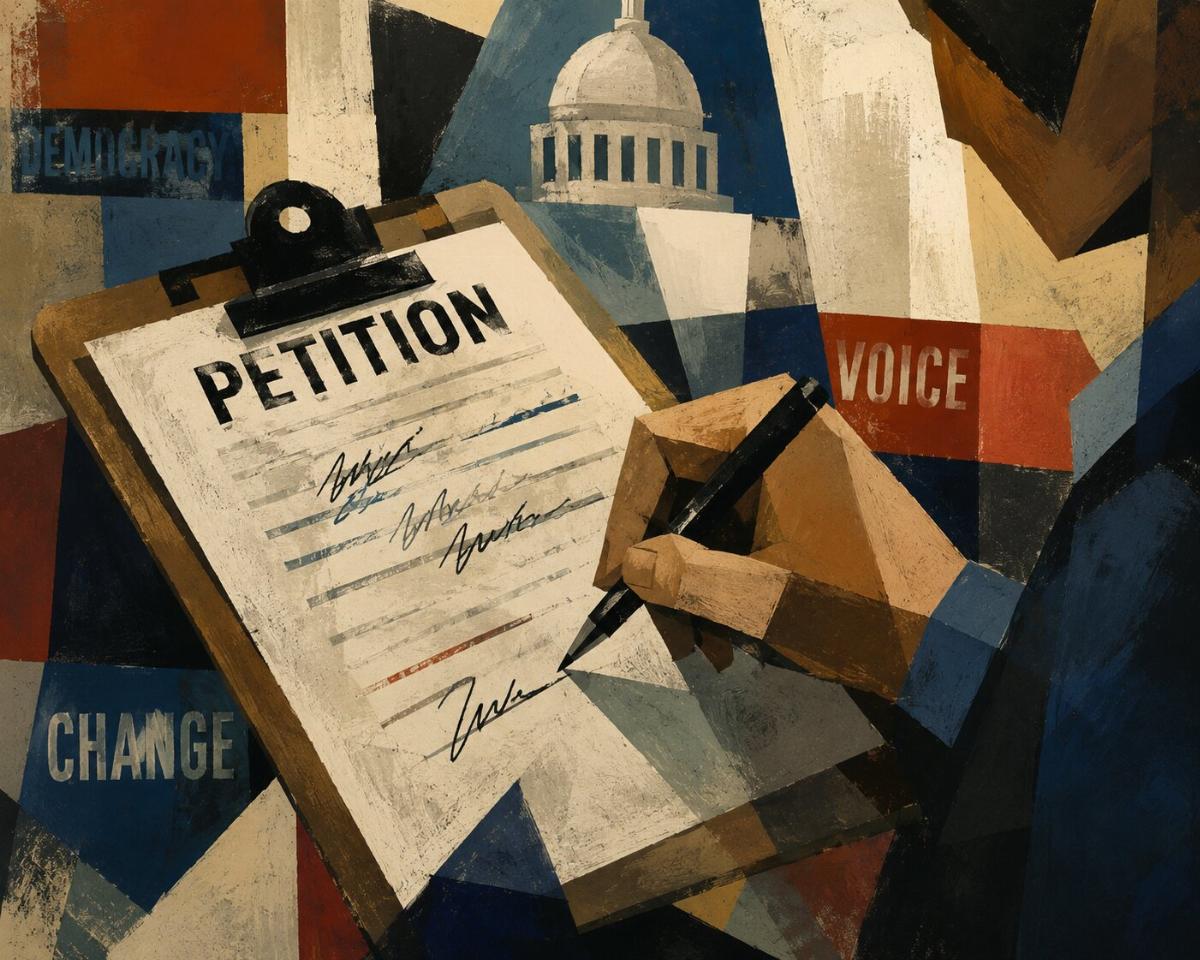
Swiss citizens have used direct democracy at all levels of government to enact laws for centuries. This year they enacted a new law permitting the use of digital signatures as well as wet signatures on petitions. A pilot program testing the use of digital signatures on petitions was approved for the Canton of St. Gallen, and was approved with overwhelming support from multiple parties. Upon successful completion of the pilot project, the use of digital signatures will be extended to all cantons.
Read more Blade Runner as Prophecy
The adoption of digital signatures for petitions will fundamentally change the way that Swiss citizens engage with their government, launching a new era in which the power of citizens to use the initiative and referendum is just a click away. Advances in cybersecurity will ensure the secrecy and integrity of digital signatures.
The Swiss view digital signatures as an opportunity to better engage citizens in the democratic process. This is part of legislation designed to aggressively promote direct democracy. It is anticipated that with digital signatures, more citizens will participate in direct democracy, including the disabled and others who are now constrained by the requirement to sign wet signatures on petitions physically presented by petitioners.
The U.S. could follow the lead of Switzerland in the use of digital signatures on petitions; however, there are several obstacles to the adoption of this technology. The U.S. is far behind the Swiss in the adoption of direct democracy in our Republic: only 18 states allow statewide citizen-initiated ballot measures. Further, some states have enacted new rules making it more difficult for citizens to petition the government. These rules include filing fees, higher signature requirements, and shorter time periods to collect signatures. Even when citizens meet these requirements, state governments often reject their petitions on legal and technical grounds.
The states have also passed laws that specifically limit the use of digital signatures in the petition process. Seventeen states that provide for initiative and referendum now require wet signatures on petitions. Two states have enacted laws that prohibit the use of digital signatures on petitions, Montana and Idaho. Utah is the only state that allows digital signature gathering in petitions and referendums. Several state and local governments allow for in-person use of digital signatures.
While the U.S. has made minimal progress in the use of digital signatures in the petition process, this technology has been widely adopted in other official processes. Congress passed a law in 2000 establishing that digital signatures have the same legal status as traditional wet signatures. Thus, any federal law with a signature requirement can now be satisfied with a digital signature.
Read more A bobblehead too far
The states have also passed laws permitting digital signatures in official procedures. The Uniform Electronic Transactions Act (UETA) was introduced in 1999 and has been adopted in 49 states. Since then, the states have expanded the use of this technology in election administration and other legal processes.
Despite legal and administrative obstacles, the use of digital signatures will bring a revolution in direct democracy in the U.S. The advantages of electronic signatures over wet signatures in petition campaigns are overwhelming. The Prosperity for US Foundation estimates that the use of digital signatures rather than wet signatures reduces the cost per petition from $15 to less than $2. In a state such as Colorado the cost of a petition campaign is reduced from $3 million to less than $1 million.
More important than the greater efficiency and security of digital signatures is the potential to educate and engage a broader group of citizens in direct democracy. Most citizens do not have the time to engage with petitioners and sign petitions. When citizens can sign petitions with a digital signature, they are more likely to become informed about the issues and engage in the petition process. They will also have an incentive to vote for laws that further digital signatures and direct democracy.
Like any new technology there is a learning curve as citizens and elected officials become more familiar with the use of digital signatures in initiatives and referendums. The Prosperity for US Foundation has launched a statewide campaign to promote the use of digital signatures and direct democracy that will revolutionize direct democracy in the U.S., just as it has in Switzerland.
Barry W. Poulson is professor emeritus at the University of Colorado, Boulder Colorado, and on the Board of the Prosperity for US Foundation.
Read more It suddenly dawns on Democrats that ethnic pandering is bombing with Latino voters
Image generated by ChatGPT.