
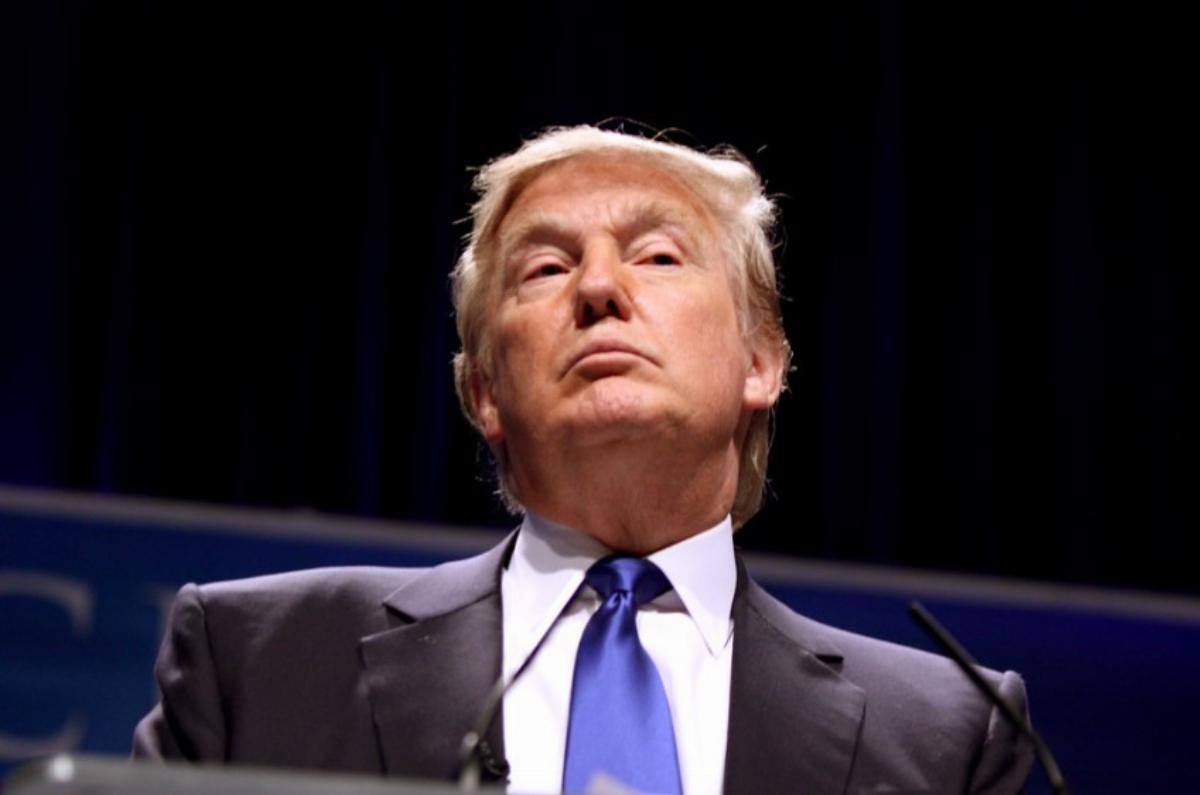
Of all the words a new Nobel Peace laureate might choose for her first public moments, few could have been less suited to the honor than Navi Pillay’s. Arriving to applause at a legal conference in Nuremberg, hours after the Norwegian Nobel Committee named her the 2026 laureate, the South African jurist told the room, “If you clap a little bit more, I may share this prize with Trump.” The audience laughed. I could not.
Read more Sophie Cunningham drives the woke crazy; which is a good thing
This is not an argument about whether Donald Trump deserved the prize. Reasonable people disagree. It is about what we should expect from a judge, and from a peacemaker, when the whole world is listening. Nor is it about her U.N. commission on Gaza, which deserves its own debate. One sentence can reveal as much about judgment as a long report.
What Judges Are For
Pillay’s career is serious: South Africa’s High Court, the Rwanda war crimes tribunal, the International Criminal Court, and the U.N.’s top human rights post. But a judge’s craft rests on temperament and impartiality, and on knowing when silence serves justice better than wit. A judge who mocks a litigant from the bench loses the confidence of the courtroom. The U.N.-endorsed Bangalore Principles of Judicial Conduct name impartiality and propriety as core judicial values, and propriety reaches beyond the courtroom. As a scientist, I learned the same lesson: Credibility is built over decades and can be spent in a single sentence.
The setting made it worse. Nuremberg, where the Allies tried the leaders of Nazi Germany, is where the modern idea of impartial international justice was born, on the principle that justice must stand above politics. It was the last place for a jab at a sitting American president.
Peacemakers Don’t Poke
Trump has sought this prize openly for years, and when he was passed over in 2025, his White House accused the committee of placing politics over peace. Earlier this year, he told Norway’s prime minister that, denied the prize, he no longer felt bound to think purely of peace. Pillay knew how raw the grievance was. Provoking an aggrieved and powerful leader is the opposite of what peacemakers do. Mediators lower the temperature; they do not raise it for a laugh.
Read more James Talarico, call home
Predictably, within hours, the president amplified a post by his former lawyer, David Schoen, denouncing Pillay and the committee. One may judge that response intemperate, too. But the first lapse came from the person whose role most demanded restraint.
Trump’s claim deserves to be judged on its merits. Some claims, such as the number of wars he says he has ended, are disputed. But his case rests on concrete achievements like the Abraham Accords and the 2025 Gaza ceasefire that brought hostages home, and leaders of Israel, Cambodia, Pakistan and Argentina have backed him. In 2009, by contrast, the committee honored Barack Obama for hope less than nine months into his presidency, and its longtime secretary later conceded that the prize had fallen short. Answering a record with a punch line refuses to weigh it — the one thing a judge must never do. I would say the same had a laureate mocked Obama or any other leader of any party. The rule depends not on the target, but on the speaker and her role.
What the Moment Called For
In 1993, Nelson Mandela, whom Pillay once defended, shared the prize with F.W. de Klerk, leader of the government that had imprisoned him for 27 years. He did not mock his old adversary. He understood that a peace prize is a summons to grace.
Pillay dedicated her prize to survivors of international crimes, a fitting gesture. Had she stopped there, she would have lost nothing. Some will say it was only a joke, and an 85-year-old deserves latitude. I would grant it to almost anyone, but not to a jurist whose life’s work is impartial justice, on the day she becomes the world’s most prominent symbol of peace. Students everywhere watch laureates, as I once did, to learn how honor should be carried. A judge laureate should know better.
Read more Data center cognitive dissonance
Image: Gage Skidmore via Flickr, CC BY-SA 2.0.