
The midterm elections will not affect the direction of U.S. foreign policy, while the domestic economy has technically begun to outgrow politics. The politicians just don’t know it yet. Rapid advances in technology, combined with global business networks formed under President Trump, make the DNC and the midterms increasingly irrelevant.
Read more Stopping sanctuary cities: What’s the current situation?
The Middle East and Ukraine are already delinked from traditional congressional influence, policy competence, or the ability to organize postwar economic development programs; the private sector has already done that, and Congress isn’t invited or needed.
Something extraordinary, if not revolutionary, has quietly happened while major media and the left are currently running their usual circus show of polls, promises, and predictions: real power has left them behind.
The chief executive’s power, combined with a new triad of US industrial, financial, and technological organization, has transformed US foreign and domestic policy. Government has been technically privatized into an effective shell. In reality, it always has been, because our economy is the basis of national power: government works for it, is financed by it, and answers to it.
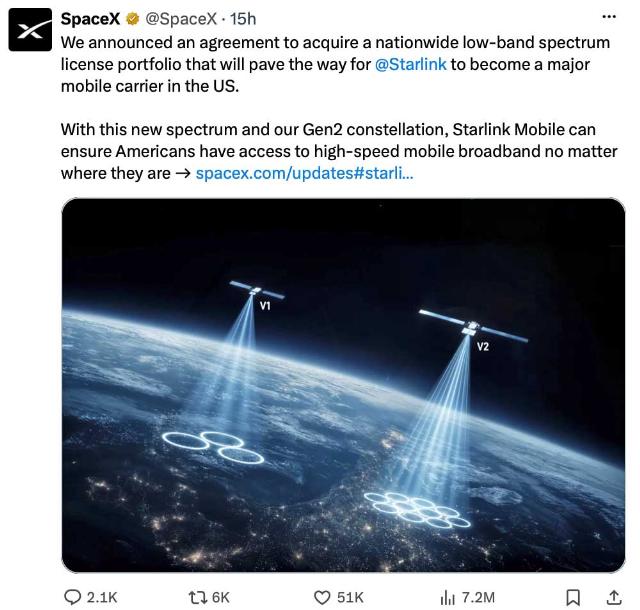
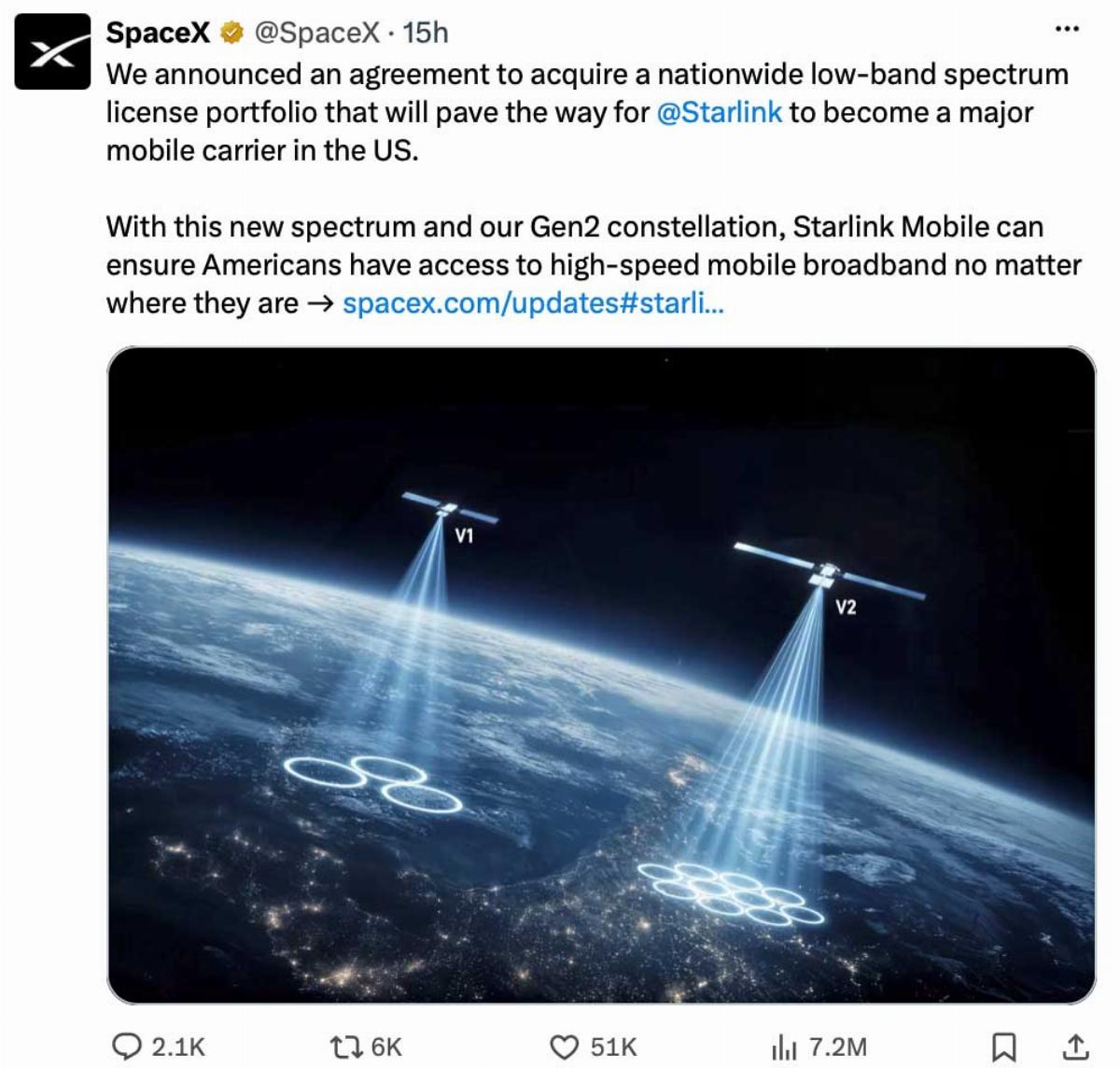
Graphic: X Post
Congressional DNC campaigning is now strictly limited to welfare and justice marketing: what is the DNC holding out to the public if it wins in November? Reversal and retribution: healthcare spending, Obamacare subsidies, and most of all, endless orchestrated investigations. The DNC’s vision for national leadership is to turn Congress into a giant lawfare firm.
Congress has almost come to resemble the U.N.: an institution that merely hosts and parades career bureaucrats in gratuitous speeches, committees, and reports, but otherwise has no real power, in the sense that power means competence and force. They are both 20th-century remnants of an illusion of collective governance. But groups don’t govern, or lead. Groups follow. They also have no responsibility or accountability. Their members eventually just go away.
Read more Obama tries to secure his legacy
Fortunately, a national “reverse merger” has occurred where private enterprise has now reacquired the public shell made by privatization, including its political establishment. America’s finance and technology sectors have finally matured to the point of making political parties obsolete as sources of policy, power, and global influence.
The U.S. will pursue the economic agenda started by President Trump, his team, and his backers because, as a combined unit, they are beyond retail politics. The power behind Middle East transformation; growing Latin American political conservatism; Russian and Chinese realpolitik interdependence with the U.S.; Arctic resource development; technology; and military growth, including space, represents part of a trajectory that cannot be affected by a mere House speaker or committee chairman. So don’t fret about Hakeem Jeffries: he is irrelevant. No one has apparently told him yet.
President Trump wisely said he’s not running in the midterms. Neither are U.S. technology firms, financial institutions, private foundations, aerospace and defense manufacturers, space operators, the military-industrial complex, AI data centers, digital currency exchanges, or foreign allies. The real sources of U.S. power have always been in the private sector and networked interests. Now they are an increasingly integrated public-private complex that makes the midterms important only in terms of the private cost to tolerate them, which is merely the cost of doing business. I don’t want to see one Democrat win one seat in either chamber, but it ultimately doesn’t matter: the real United States has outgrown them, in all dimensions of power, influence, and usefulness — through technical control.
Regarding the long and growing gap between man’s technology and his culture, it has been said that “the superman built the airplane, but the apeman has taken his seat in it.” With startling breakthroughs in advanced technologies under President Trump, the DNC will occupy only the seats American business built in the new house. And it may be a one-way flight.
Matthew G. Anderson is a former aerospace CEO and law and policy author. He has testified before the US Senate and is a graduate of the University of Chicago.
Read more We Did Too Good a Job