
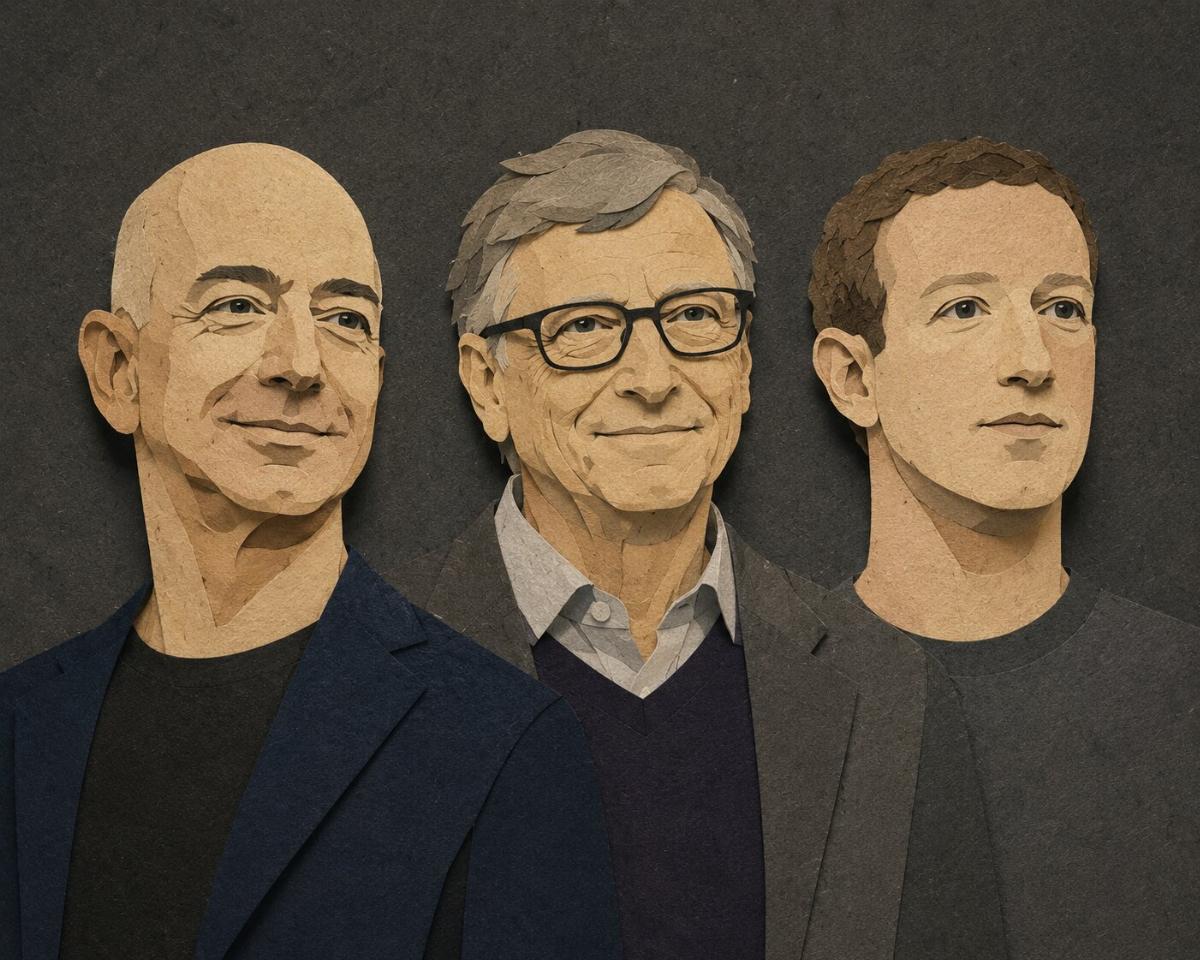
For years, Americans have heard politicians and media figures say that millionaires and billionaires should “pay their fair share.” We’re told the wealthy make too much, the system is unfair, and the rich keep getting richer while others struggle. These ideas are repeated so often that they fade into the background—always there, rarely questioned, and almost never acted on. Despite all the speeches and promises, the policies meant to limit the power of the wealthy rarely happen. The reason is simple: it’s much easier for politicians to talk about punishing the rich than to actually do it.
Read more Justic, social justice, and Catholicism
There’s an obvious truth we often overlook: compared to other countries, American consumers are seen as the world’s most powerful economic force. The U.S. has the biggest economy, a strong middle class, and a culture that values innovation and buying new things. The fortunes of millionaires and billionaires are built in our homes, on our phones, and at the checkout. Every time someone clicks “Buy Now,” upgrades a phone, streams a movie, or signs up for a service, they help create that wealth. Jeff Bezos didn’t become a billionaire by taking from others. He did it because millions of people chose to buy what Amazon offered. Amazon didn’t force its way into homes; people welcomed it. They liked the convenience, speed, and choices, and by spending their money, they helped build the very fortunes they now criticize.
This is the uncomfortable part of the conversation. It is far easier to blame the wealthy than to confront the role ordinary people play in creating them. If people truly believe that billionaires should not exist, the most effective protest is not a slogan or a social media post. It is a choice: don’t buy their products.
If Apple makes too much money, don’t buy an iPhone. If Microsoft is too powerful, don’t use its software. If Amazon is too big, stop ordering from it. If corporations are too profitable, stop feeding them your dollars. If hedge fund managers make too much money, don’t invest in the stock market—keep your savings under the mattress.
But almost no one does this. Why? Because the truth is that people love the convenience. They love the speed, comfort, innovation, entertainment, and efficiency these companies provide. They want the benefits of the modern economy without the responsibility that comes with participating in it. They want the luxury of criticizing the wealthy while continuing to support the very systems that make them wealthy. It is a contradiction that rarely gets acknowledged because acknowledging it requires honesty, discipline, and self-reflection.
Read more A challenge to good Democrats to form a third party or join the GOP
Politicians understand this dynamic better than anyone. They know the public wants to hear strong words about fairness and accountability, but they also know the public does not want to give up the conveniences billionaires provide. So the cycle continues: speeches are made, promises are floated, outrage is stirred, and nothing changes. The wealthy remain wealthy, not because politicians protect them, but because consumers do.
If someone truly wants to “make a stand,” the path is simple: stop participating. Ride a bike instead of buying a car. Grow your own food instead of shopping at a supermarket. Use a flip phone instead of a smartphone. Refuse to buy from companies you believe make too much money. Live outside the conveniences of the modern economy. That is what real protest looks like. It is not glamorous or easy, but it is effective.
If the public truly wants a different outcome, they must first look in the mirror and recognize that they are not powerless victims of an economic machine—they are the engine that drives it. And until they are willing to change their own behavior, the speeches will continue, the outrage will continue, and the billionaires will continue to thrive.
Read more It’s the dirty story of a dirty man
Image generated by ChatGPT.