
It’s 2035. You want a cappuccino.
You don’t open an app. You don’t hunt for a store. You don’t tap a card and wait for a stranger behind a counter to get the order wrong. You say one sentence:
Read more Milei’s Foreign Policy: Trump or Xi Jinping?
“Cappuccino. Now.”
Your agent already knows what that means. Double shot. Whole milk. Hot. The café you used to like is twelve blocks away, but another shop three blocks closer is pulling better shots this morning. Price, wait time, robot availability, sidewalk traffic, your past ratings — settled before you finish the thought. The café’s agent accepts. A machine pulls the drink. A small ground drone walks it to the door. Your house agent takes it off the stoop and puts it in your hand.
You never know which company made the last hundred yards happen. You don’t care.
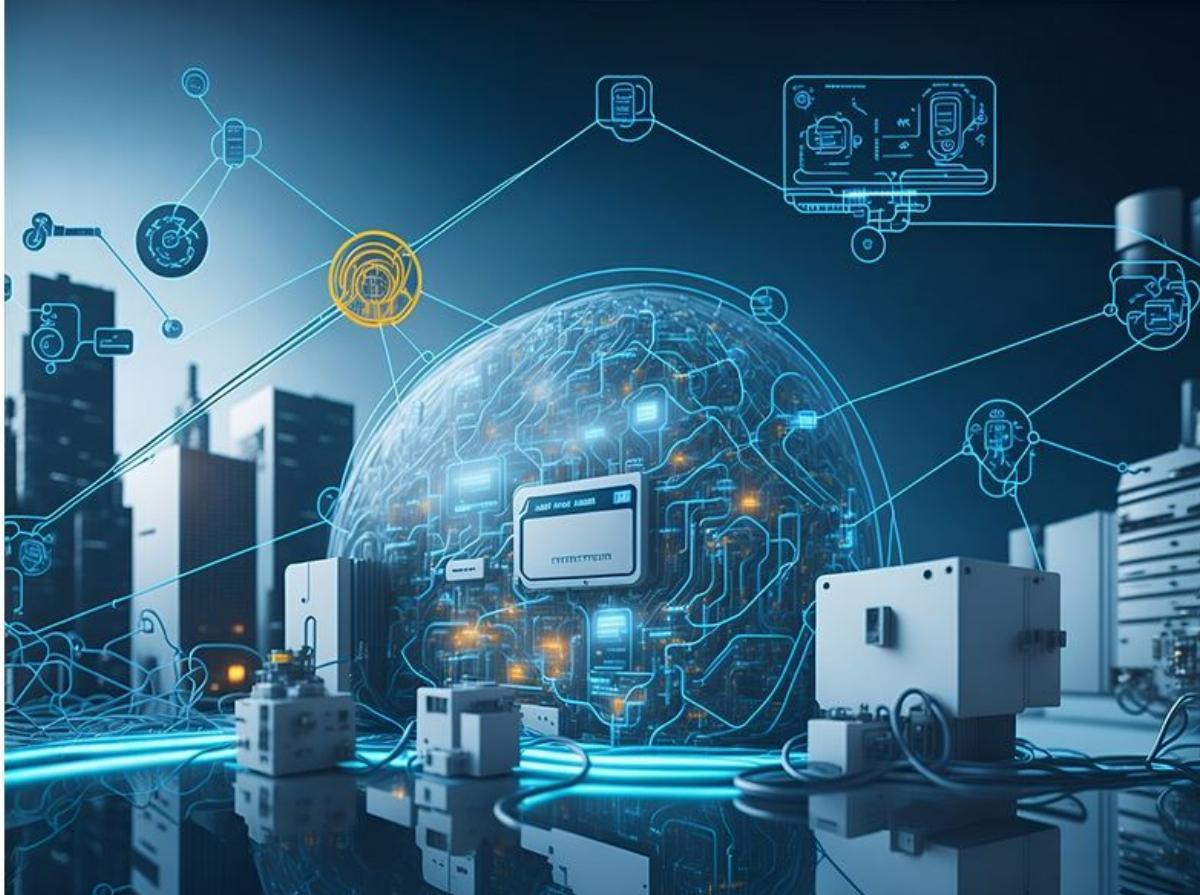
That is not a toy future. That is software that can talk, wallets that can settle, and machines that can walk. The same sentence starts a market when you say you’re out of toothpaste, the truck needs a wash, Mom’s shoulder is acting up, dinner for six at seven, or you want four warm days somewhere that isn’t a California August. Every spoken objective becomes a request for bids. Agents negotiate with other agents — merchants, logistics, hotels, doctors, insurers, energy, robot fleets, capital markets. Price discovery happens in milliseconds.
Most purchases never see a human checkout page. Most businesses stop designing websites for tired people and start designing APIs for agents that don’t get bored, don’t need a lunch break, and don’t file a complaint with HR.
Advertising as we know it dies. Nike doesn’t need a Super Bowl spot to hypnotize you in a recliner. Nike needs to convince your agent that its shoe wins on durability, fit, delivery, resale, and whatever constraints you actually gave it. Brands still matter. They just have to sell to machines that keep score and don’t fall for the jingle.
Your agent has a wallet. Dollars. Bitcoin. Stablecoins. Points. Whatever rail clears cheapest and fastest. You rarely see the ledger. A robot charges another robot three-tenths of a cent for electricity. They don’t swipe Visa. Your car pays the road. Your refrigerator pays the grocer. Your house sells surplus power back to the grid. Your agent rents compute for seventeen seconds and shuts it off. Billions of transactions a minute with no human in the loop.
Money starts looking less like something you carry and more like a language machines speak to each other. That is why Bitcoin matters here more than any conference slide ever did. Machines don’t trust a central bank that closes at 5 p.m. Eastern and changes the rules after the election. They trust settlement that doesn’t ask permission. If the economy is going to run on agents, the money has to run on rails that agents can use without a compliance officer sitting on the wire.
Work changes next, and this is the part people either romanticize or panic about. You wake up and the agent says it made seven hundred dollars overnight. Not from a mutual fund. From work. It licensed photographs you took years ago. It rented idle GPUs in the garage. It booked a consulting hour off your knowledge base. It shipped a piece of code it wrote while you slept. It answered customers you will never meet.
Everybody starts looking like they own a tiny autonomous corporation. Some people run ten agents. Some run ten thousand. A hundred-million-dollar company might have twelve humans and forty thousand agents. The org chart starts to look like a joke written by someone who actually builds things.
Read more LBJ: 60 Years Of The Not-So Great Society
Then the real shift: you stop giving instructions. You give objectives.
Keep the house running.
Make sure Mom is okay.
Grow the pile.
Keep me healthy.
The agent hires other agents. It buys. It signs. It moves money. It deploys software. It dispatches robots. The interface to the entire economy collapses into conversation.
That is the profound break. For most of history, men operated tools. Then they operated machines. Then computers. Then software. Now you state the outcome. An economy of machines figures out the how.
I am not interested in the version of this future where Sacramento and Washington decide your agent needs a license, a diversity report, and a carbon score before it can buy toothpaste. I have watched California turn ordinary competence into a permit process. I have watched federal agencies treat new technology as a threat to the people who already have the microphone. If they get their hands on the agent layer, they will not make it safer. They will make it theirs.
The people waiting for a monthly check while an algorithm feeds them slop will not run this world. The people who can give a clear objective, own the energy, own the Bitcoin, and hold the machine accountable will. That is not cruelty. That is how every technological leap has worked. The difference now is speed. The gap between the man who commands agents and the man who waits for one will open faster than the gap between the man who learned the internet and the man who didn’t.
My kids are growing up into this. I don’t want them trained to tap apps and wait for permission. I want them trained to command. Learn to state an objective. Learn to audit the result. Learn what not to outsource. That is the American inheritance if we keep it — not a guaranteed stipend from a machine owned by someone else.
The machine economy is not coming to make you soft. It is coming to make the checkout line, the call center, and the permission-slip bureaucracy look like rotary phones. The only question worth asking is who the agents work for.
If they work for you, this is the greatest leverage ordinary people have ever had.
Read more Those Poor, Maligned Rich
If they work for the state, you just built the most efficient cage in history.
Pick now. The coffee is already on the way.
Kyle McClay is a Huntington Beach entrepreneur and Orange County Republican.
Image: Pixabay