
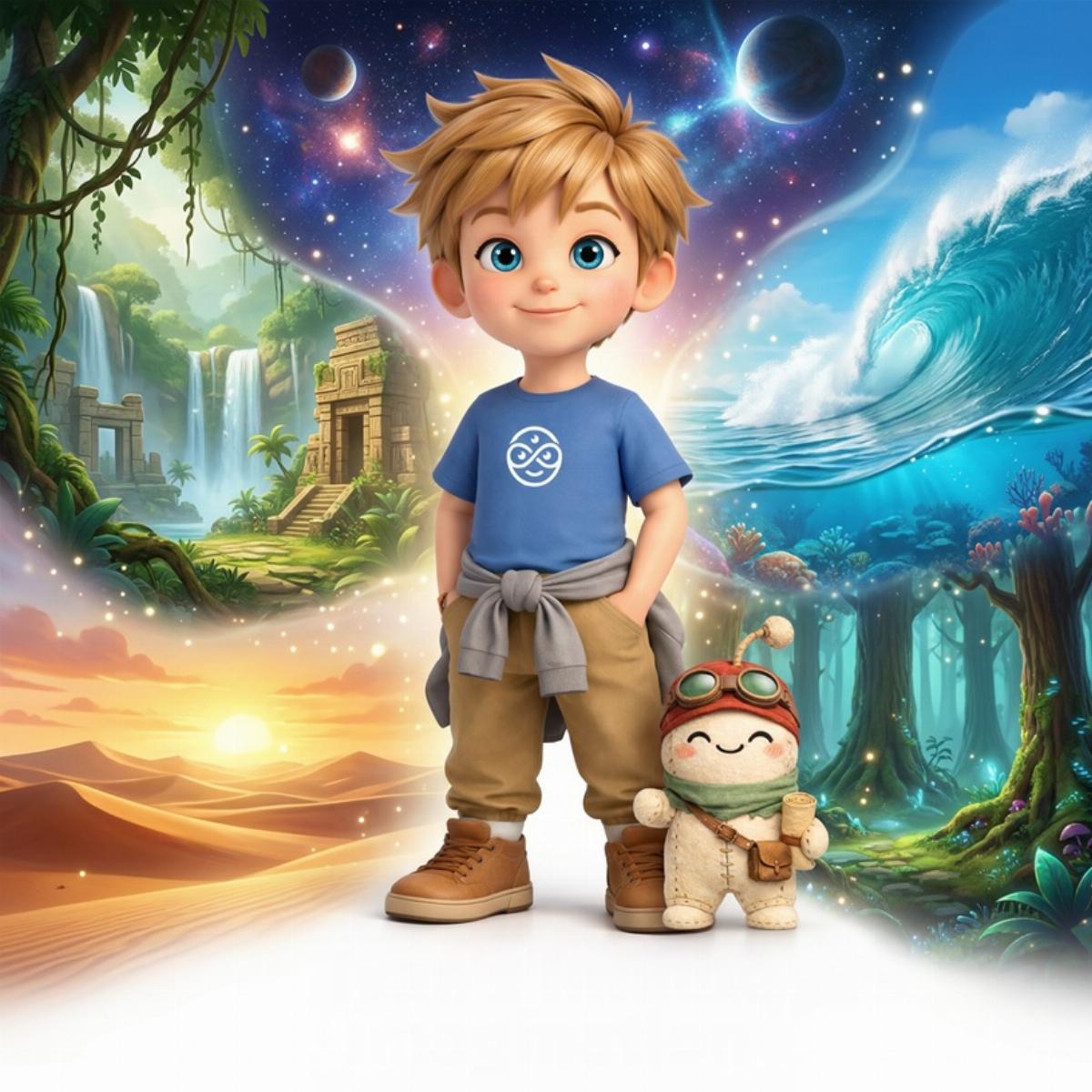
There was a time when parents didn’t have 10,000 choices about what their children watched. A handful of networks, studios, and executives decided what America’s children would see.
Read more Remembering the heroes of Abbey Gate
And remarkably, much of it was good.
We grew up with programming that understood childhood was something worth protecting. Mister Rogers’ Neighborhood taught kindness. Sesame Street taught letters and numbers. Families gathered around Little House on the Prairie and The Waltons, stories about courage, hardship, responsibility, forgiveness, and family.
Nobody called it “values-based programming.” It was simply understood that entertainment helped shape culture. Somewhere along the way, we forgot that.
Children’s entertainment increasingly became another front in America’s culture wars. Adult political and social debates began finding their way into programming aimed at younger audiences. Parents who objected were largely left with two choices: accept it or turn it off.
Not anymore.
For the first time in history, ordinary creators have the tools to challenge an entertainment industry once controlled almost exclusively by giant studios and production companies.
The first revolution was distribution. YouTube, Rumble, and streaming platforms demolished much of the old gatekeeping apparatus. Suddenly, creators didn’t need a television network to reach millions of people. But there was still a problem.
YouTube gave everyone a television network. It didn’t give everyone a Hollywood studio.
High-quality children’s programming, animation, visual effects, music, sophisticated editing, and immersive sound remained enormously expensive. Independent creators might have gained access to the audience, but they still couldn’t compete with corporations capable of spending fortunes on production.
Then artificial intelligence came of age. And that may prove to be the far more disruptive revolution. AI-assisted production tools are dramatically lowering barriers to sophisticated filmmaking. Work that once demanded enormous production teams, specialized equipment, and massive budgets can increasingly be attempted by small groups of talented creators.
AI doesn’t replace imagination. It gives imagination leverage. A fascinating example is the new independent children’s series Ivan’s Infinite Imagination.
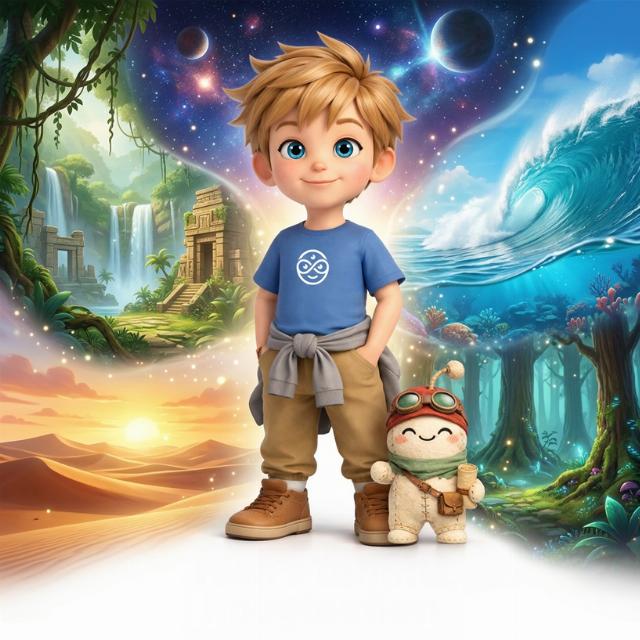
The show is cinematic, energetic, and adventure-driven while remaining deliberately warm and family-friendly. Episodes combine visual storytelling, interactive puzzles, educational moments, music, and immersive sound design.
Children aren’t sitting through a lesson disguised as entertainment. They’re going on an adventure. And somewhere along the way, they’re learning.
The first three episodes are now live, including a special installment celebrating America’s 250th anniversary. Early feedback, according to the creators, has been enormously encouraging. Children are responding to the action and adventure while parents are responding to something that has become increasingly valuable: Trust.
Parents shouldn’t need to stand beside the television with one hand hovering over the remote. They shouldn’t have to wonder whether an adult ideological argument is about to wander into a six-year-old’s cartoon.
Read more Hollywood blights
Childhood is breathtakingly short. Let them have it. Let them build forts. Let the backyard become a jungle. Let a cardboard box become a spaceship. Let them solve mysteries, search for buried treasure, and believe, for another precious little while, that an ordinary Tuesday afternoon might contain something magical.
Imagination isn’t wasted time. It is how children explore possibilities, solve problems, process emotions, and begin understanding a world larger than themselves.
Stories teach children whether we intend them to or not.
The question is: What are we teaching them?
That’s why Ivan’s Infinite Imagination represents something bigger than one children’s program. It represents competition.
For decades, parents unhappy with the direction of entertainment could only complain, boycott, or turn off the television.
There’s another option now: Compete. Don’t spend another decade begging Hollywood to tell different stories. Tell better ones.
Don’t demand that giant entertainment corporations rediscover the innocence of childhood. Create something children would rather watch. And when somebody does, support them.
Every view is a vote. Every subscription is a vote. Every parent who sends another parent a link and says, “My kids love this,” is voting for the culture they want their children to inherit.
A mother with an idea doesn’t necessarily need permission from a studio anymore. A father with a story doesn’t need a network executive. A small creative team with talent, technology and determination can increasingly look at an industry worth billions and say: We’ll build our own.
Perhaps that’s the larger lesson here. Americans spend enormous amounts of energy complaining that institutions no longer reflect their values. Sometimes those complaints are justified.
But technology has handed us another option. Build. Don’t like the newspaper? Start one. Don’t like the books being published? Write one. Don’t like what’s being put in front of your children? Make something better.
Ivan’s Infinite Imagination is still young. Nobody knows how large it will become. But its very existence represents something that would have been nearly unimaginable a generation ago: independent creators using emerging technology and direct-to-audience distribution to stand in the same arena as entertainment giants.
And now parents get to decide who wins. They don’t have to win an argument with a television network. They own the remote.
Creators have the platforms. They have the technology. Increasingly, they have production tools once reserved for studios with enormous budgets. The gatekeepers haven’t simply lost control of the gate. We learned how to build our own.
Read more Young People, Listen to Your Gen-X Elders: Communism Sucks!
And on the other side, Ivan is waiting… with an infinite imagination.
Image: Ivan’s Infinite Imagination