
With Fauci in the Congressional dock, I am reminded of the exaggerated risk assessments and public policies which lacked evidential support that were trademarks of the COVID-19 era. I remember the many times I walked through some remote hallway or open-air venue where I would encounter staff or strangers keen to lecture me about the proper way to wear a mask. It seemed the duty of every middle-aged white woman to educate me on the importance of masks, yet they could never offer an adequate explanation as to why it did not apply to those sitting at a restaurant table. We both knew that none of it mattered. It was solely a litmus test to prove that one took the pandemic seriously, akin to the solemnity one is expected to show toward climate change.
Read more The Mohammunist Manifesto’s Inequality Before the Law
Without the return of Fauci to the public stage, those memories would have remained dormant. However, the COVID-19 era marked the beginning of something that has remained with me ever since. It is the sticker shock that I receive when a bill is presented to me. Maybe, I was spoiled by the prior decades of low or no inflation. Maybe, I am just getting old and lack resiliency.
However, it is not an exaggeration to say that the federal government’s interference with the economy reached its zenith in 2020. It was in that year, during the COVID-19 pandemic, that the federal government expanded the money supply at a rate unprecedented in modern times. When looking back over the last 65 years, one sees no comparable annual rate of growth in the money supply (M2). It spiked to over 20% in 2020. Prior to that, it had reached only 10% in the ‘70s (see Figure 1).
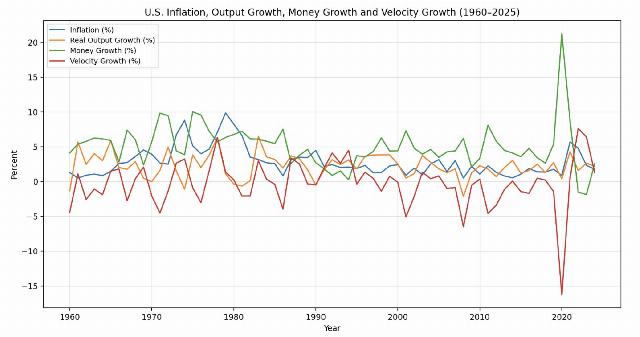
Figure 1: ChatGPT-generated using Federal Reserve data (FRED)
Anticipating a disastrous economic downturn because of the COVID-19 lockdown and disruption, Congress and the first Trump administration enacted several major federal government fiscal programs to put money directly into households and businesses. It took the form of the Coronavirus Aid, Relief, and Economic Security (CARES) Act, a $2 trillion stimulus bill passed in March 2020, which included direct payments to individuals (“stimulus checks”), expanded unemployment benefits, loans and grants to businesses, and funds for health care and state/local governments. The Paycheck Protection Program (PPP) was created under the CARES Act to provide forgivable loans to small businesses that kept workers on payroll and pumped liquidity into firms to support payroll and operating expenses.
In addition to the fiscal measures enacted under the CARES act, there were a host of federal reserve monetary programs that expanded central bank credit and supported market functioning by printing reserves and extending loans to financial markets, businesses, and municipalities.
Read more ‘Trans ally’ insults WNBA star Sophie Cunningham by saying she looks like… a ‘trans’
Fiscal measures (CARES, PPP) put cash directly into the economy through checks, loans and payroll support — raising M2 components such as checking and savings deposits. Fed facilities created new central bank reserves and liquidity that encouraged banks and markets to lend and hold assets, indirectly increasing broader money aggregates and credit availability. Together with near-zero interest rates and large Fed asset purchases, it dramatically increased the money supply. The CARES act authorized $2.2 trillion, of which $1.8 trillion was disbursed in 2020. It was the single largest M2 stimulus in Federal Reserve history.
With a sharp rise in the money supply, one would expect inflation to surface because of “too much money chasing too few goods.” However, inflation was initially muted as M2 velocity (M2V), a measure of how fast money turns over in the economy, declined sharply. The lockdowns and disruption that accompanied the COVID-19 pandemic had the effect of forced saving on the economy, i.e. negative M2V growth. Inflation was delayed, not avoided, once spending normalized in the aftermath of the pandemic.
All of this brings us to a rather stark conclusion about government actions taken in 2020 in reaction to the impending COVID-19 pandemic. Firstly, they were unprecedented. Never had state governments taken measures on a massive scale to shut down economic activity. Never had the federal government responded with fiscal and monetary measures to head off an anticipated economic downturn on the scale that it did. The inflation that we experience today is just a reminder of what we did to ourselves in 2020 to wreck the inflationary quiescence that had reigned for the three prior decades.
Read more Permanent Daylight Saving Time deja vu
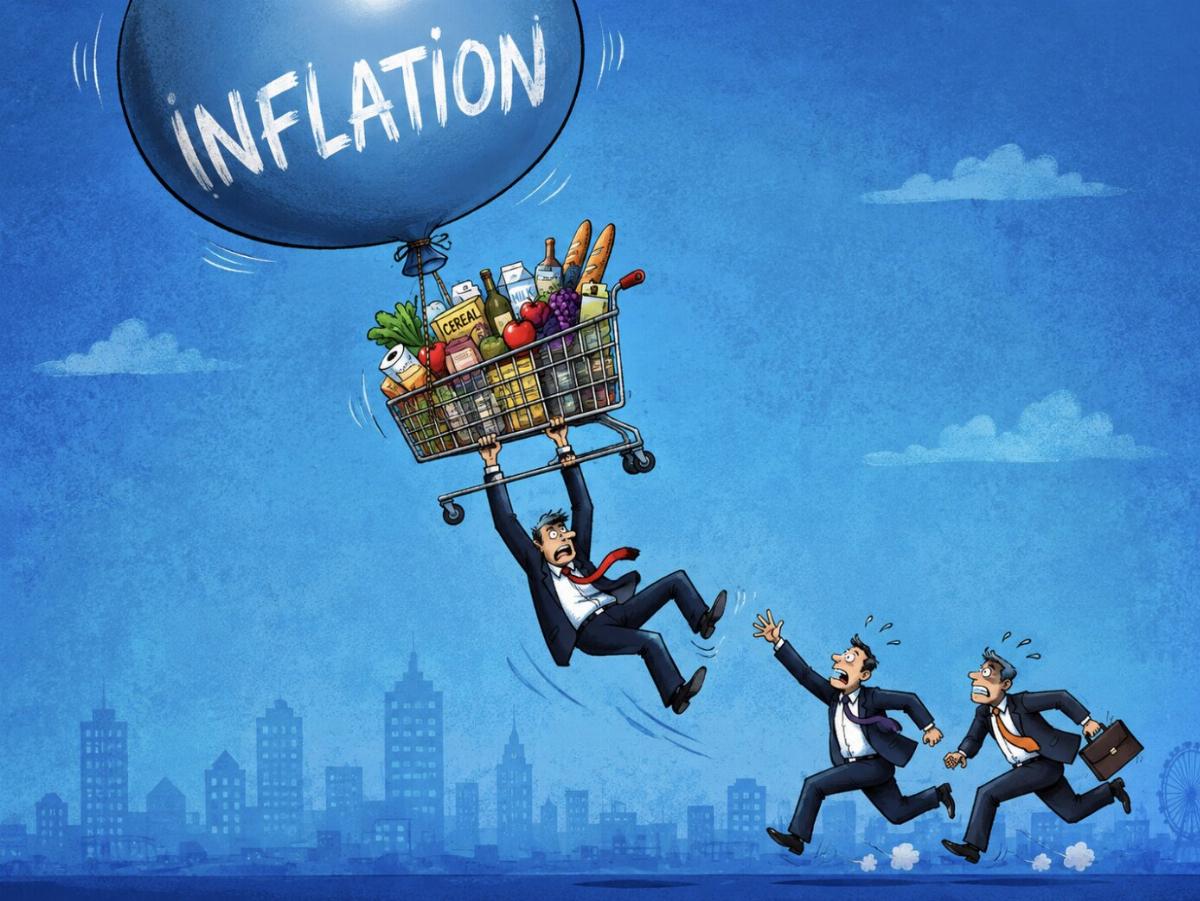
Image generated by ChatGPT.