
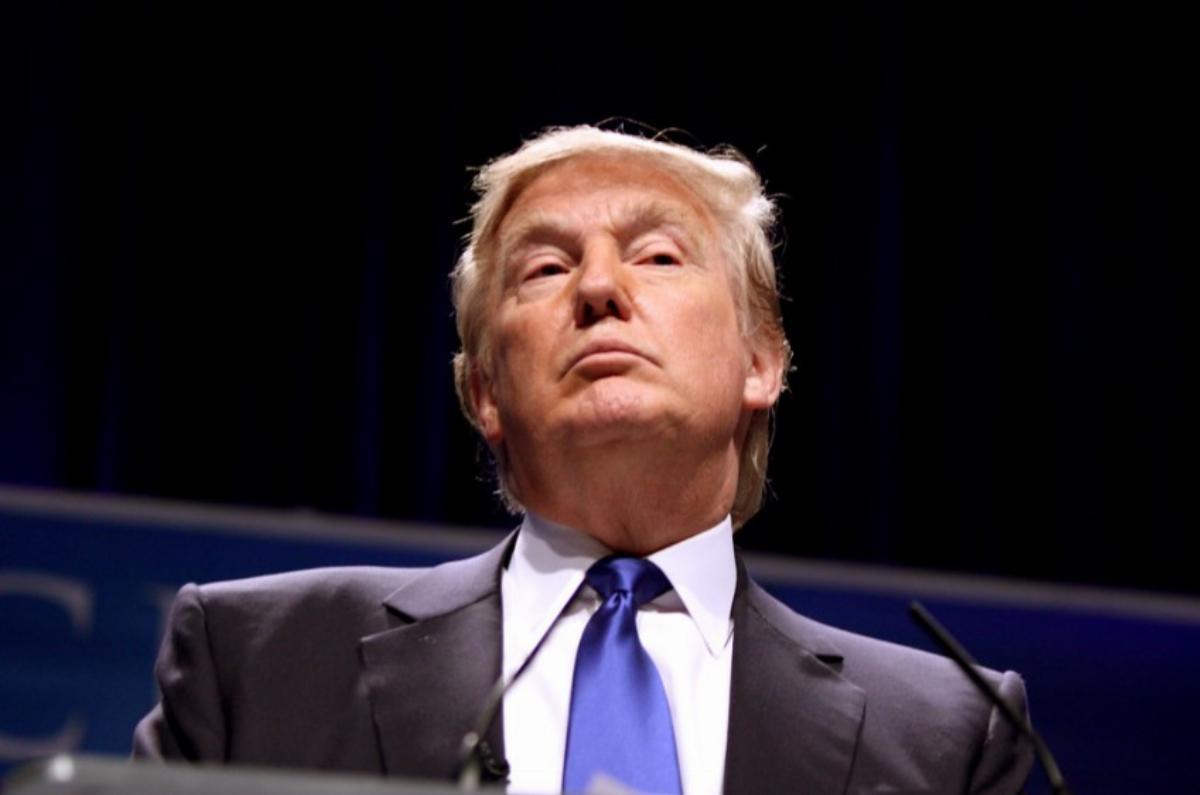
Give President Trump his due: He has confronted China more forcefully, and rebuilt more of American industry, than any president in decades. The tariffs worked. They dragged trading partners to the table and pulled real money back onshore; Taiwan alone committed $250 billion to build chips here.
Read more Commiecrats once enthusiastically supported paper ballots
This is exactly why it’s worth saying plainly that the next tariff under discussion, a broad duty on imported semiconductors, would be a mistake. Not a betrayal of the agenda, but a departure from what made the agenda work.
The thing that has worked is precision. The January proclamation hit a narrow band of advanced chips, the Nvidia H200 and the AMD MI325X among them, and left everything else alone. That was a smart move by the Trump administration. A wall-to-wall tariff on every chip crossing the border is a different animal, and Beijing would love nothing more than to watch us build it.
Consider the factory floor. Reshoring chip production is the right call. But a fab takes years and tens of billions of dollars to stand up, and until American capacity catches up, our own manufacturers run on imported legacy chips. That means carmakers. Defense contractors. medical device firms — the tech companies everyone calls the crown jewels of the economy. Tax those chips today, and you don’t conjure a domestic supplier out of nowhere. You just make it pricier to build things in America. A single modern car carries somewhere between 1,000 and 3,000 semiconductors.
The timing makes it worse. RAM prices already jumped 90 percent in the first quarter of this year. A tariff on top of that is gasoline on a grease fire. The Information Technology and Innovation Foundation ran the math: A 25-percent semiconductor tariff would shave $1.6 trillion off GDP over ten years and cut technology consumption by more than a quarter. At 50 percent, the damage climbs to $4.4 trillion. Those figures represent production lines that go dark and jobs that never get created.
Read more King Solomon solves the Daylight Savings Time dilemma
Now comes the part that should stop everyone cold. China is racing us on two tracks at once: factory output and frontier innovation. A broad tariff spots the Chinese a lead on both. We would be taxing the inputs our chipmakers and A.I. labs while their competitors in Shenzhen pay none of that. Handicap your fastest runner, and guess who wins. The American firms designing the best chips and training the best models are the biggest advantage we hold over Beijing. Blunting it on purpose makes no sense.
The national security argument, the one tariff-supporters lean on hardest, actually cuts the same way. Of course semiconductors sit inside everything the military depends on — missile defense, secure comms, satellites, radar. That is precisely the reason to keep them flowing. Choke the supply or spike the price, and procurement slows and readiness suffers. You cannot strengthen the defense base by starving it of parts.
So no, this is not a case for going soft on China. It is a case for doing what the president already does better than anyone: hitting the target, and only the target. Keep the aim tight. Protect the incentives already pulling fabs back onto American soil, including the CHIPS Act tax credit, set to lapse at the end of 2026. Save the tariffs for the imports that genuinely threaten us, and leave the ordinary chips that keep American plants running.
A well aimed tariff makes America stronger and China weaker. A blanket chip tariff would manage the opposite. Trump has beaten Beijing before by being surgical about it. The same play works now.
Read more Sophie’s choice
Image: Gage Skidmore via Flickr, CC BY-SA 2.0.