
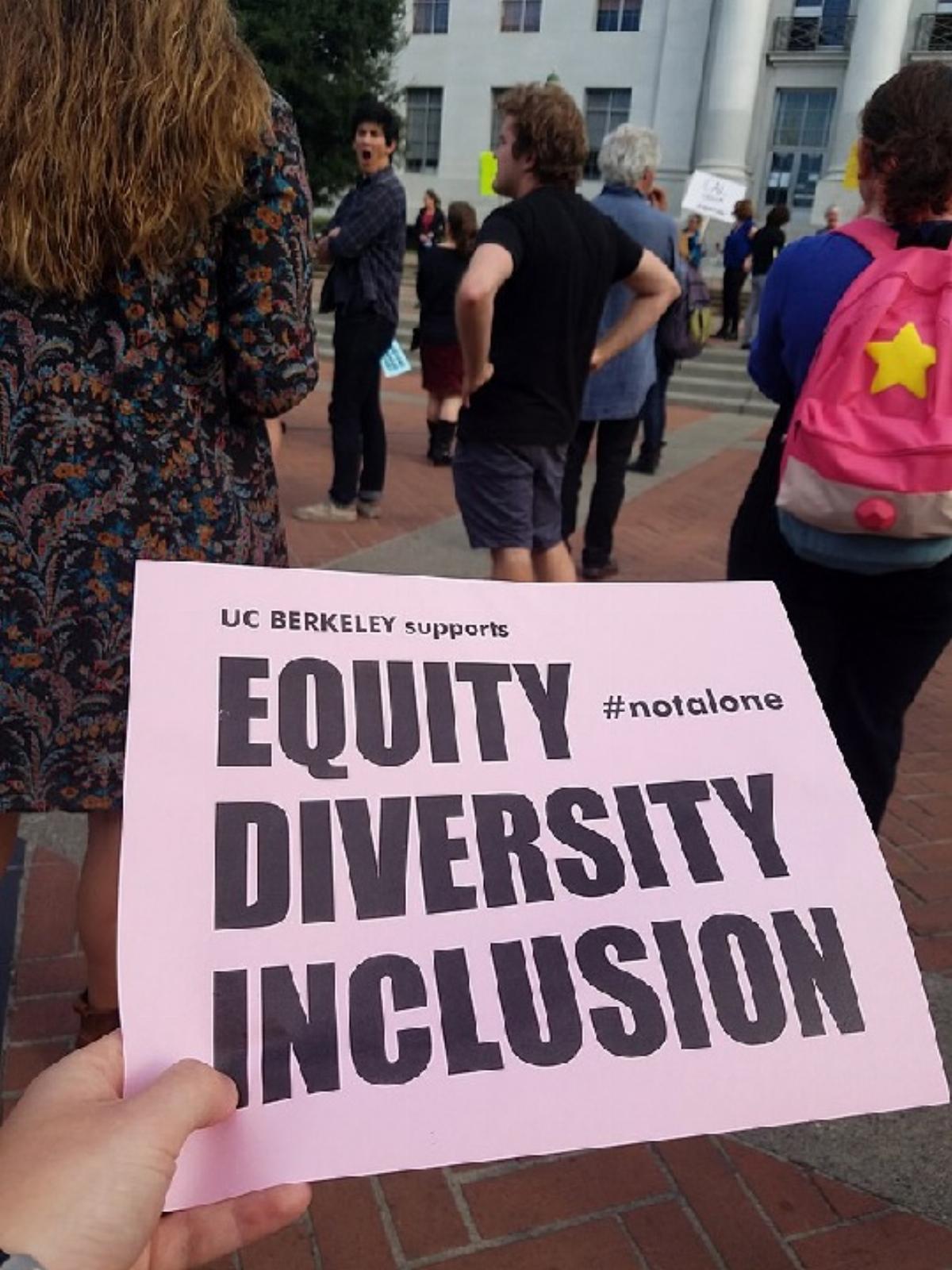
Academics in ivory towers have risen magnificently to the challenge of scrapping every visible vestige of DEI while mastering the art of rebranding. Better yet, in a heartwarming tribute to thrift (miracles do happen), they’ve even embraced recycling: Many of the programs remain in the same buildings, the same suite of offices, and often with the very same flag-waving, preference-based personnel. It’s just camouflaged under a shinier label.
Read more Downhill faster in Seattle
One professor, who requested anonymity for fear of professional repercussions, summed up the makeover perfectly: “The campus eliminated DEI the same way my teenager cleans his room: Everything got shoved into a different closet.”
The professor — who has spent years surrounded by self-described socialists — has noticed one enduring principle: Few things compete with the love of federal dollars. The same academics who shout “Tax the rich!” from the rooftops become remarkably entrepreneurial when millions in government grant funding are on the line. Rather than abandon race- and ethnicity-based programs — they’ve become masters of the academic shell game. That means eliminating — in name only — DEI stationery, program manuals, and even plaques on doorways.
The results are undeniably creative.
At Northwestern University, DEI responsibilities have found welcoming new homes under titles such as Learning and Organizational Strategy and Graduate and Postdoctoral Success. After all, who could possibly object to “organizational strategy”? The makeover is so polished it almost suggests academia has embraced fiscal responsibility. Perhaps that means even assigning its army of administrators to something that sounds like actual work. It’s less a retreat from DEI than a lesson in well-chosen marketing schemes.
One of the more inventive names has emerged from the University of Iowa. Who could possibly argue the merit of the Student Success/Access-Related Functions. Student success? Access-Related Functions? It may be vague and meaningless in terms of services offered, but it certainly avoids those three letters the feds may be looking for.
Meanwhile, Oklahoma State University now speaks the language of Access and Community Impact Functions. It projects the assurance of preparing students for their future, while revealing almost nothing about what it actually offers.
It appears all roads lead back to the upper echelons of academia, where top administrators have never been bashful about proclaiming their devotion to DEI.
Read more Hey, Republicans! Tucker Carlson is Your Enemy
Harvard’s Chief Community and Campus Life Officer, Sherri Ann Charleston, left little doubt about the university’s intentions. While announcing the reorganization, she emphasized that the changes were “not about abandoning our underlying commitments to fostering a campus where everyone can thrive.” That reassurance naturally raises an obvious question: Does “everyone” now include Asian applicants seeking admission to one of the nation’s most prestigious university? Charleston went on to explain that the restructuring merely “reflect[s] the evolution of our work and the broad range of services we provide to the Harvard community.” In other words, the philosophy remains; only the packaging has changed.
Charleston, after all, is an ideologue working within an echo chamber of head-nodding academics who naturally assume they occupy the moral high ground. She can enjoy the view from her well-insulated cubicle while performing the necessary window dressing to (hopefully) keep the federal dollars flowing.
Ted Mitchell, president of the American Council on Education, was even more candid in his views. Addressing anti-DEI legislation, he acknowledged what many critics suspected, but few education leaders were stating so plainly: “Institutions remain committed to creating campuses where every student can succeed. The work continues, even if it must be organized differently.”
Such words carry considerable weight and help explain the “new look” on campus. When visiting one of the nation’s colleges today, you’d be hard-pressed to find an office still labeled DEI. Instead, you’ll encounter the handiwork of branding consultants who have clearly earned their retainers. The former “diversity” offices have been reimagined under titles such as Inclusive Success, Human Flourishing, Student Thriving, Campus Engagement, and Community Values.
It’s the same think-group mentality, just repackaged in language so universally agreeable that even questioning it risks being mistaken for a MAGA supporter.
In this latest exercise in institutional inclusivity, the only policy conspicuously left behind appears to be intellectual honesty.
Read more Why Do Jews Keep Voting for Leftists Who Hate Them?
Image: Quinn Dombrowski