
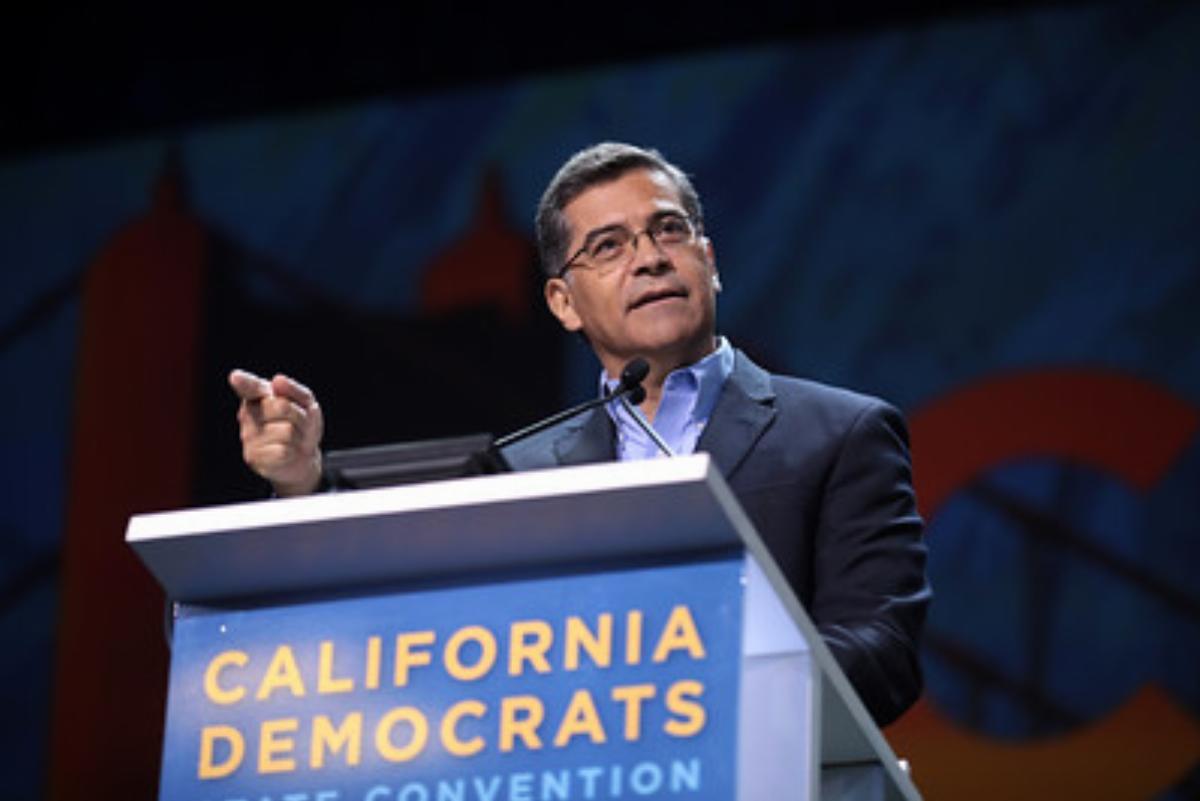
Former L.A.-area congressman and Biden HHS secretary Xavier Becerra will be facing former Fox News host Steve Hilton in the upcoming California governor’s election this November. But there is something from Becerra’s time in Congress that should have precluded his ever holding public office again. For nearly five years, he successfully pushed for a pardon for major cocaine trafficker Carlos Vignali, Jr., from outgoing President Bill Clinton, which Clinton granted in 2001.
Read more What’s going on in blue Maryland?
Vignali had organized a 30-member crime ring to transport nearly 1,000 pounds of cocaine to Minnesota from California and was convicted in 1994 of three counts of conspiracy and cocaine distribution. Vignali remained uncooperative and unrepentant, and it was the largest drug trial in Minnesota history. Judge David Doty sentenced him to 15 years — the maximum.
It was later found by House investigators that Vignali had been convicted twice for vandalism and assault and arrested twice for reckless driving and assaulting his girlfriend and that Vignali had been involved with two different gangs.
His father, Carlos “Horacio” Vignali, Sr., who had immigrated from Argentina in the 1960s and became a wealthy L.A.-area real estate owner and political power broker, appealed the drug conviction, but it was unanimously upheld in court in 2016. Horacio then decided to try for executive clemency with the Clinton White House.
He contacted then–L.A.-area congressman Xavier Becerra, whom he had donated 16 thousand dollars to in three of Becerra’s campaigns. Even though neither of the Vignalis had resided in his district, Becerra next called Alejandro Mayorkas, who was U.S. attorney for Central California in Los Angeles, who quickly claimed that the sentence was too harsh.
Becerra then contacted pardon attorney Roger Adams at the Justice Department and Meredith Cabe at the White House (legal) Counsel Office. Cabe would later say he was pushing for clemency for Vignali, but Becerra later claimed he never explicitly supported clemency for Vignali, but had wanted a “review” of the case.
On November 21, 2000, Becerra sent a letter to Bill Clinton, who had less than two months remaining in office. Becerra falsely repeated that Vignali had no previous criminal record, was innocent, and how much it had affected his parents. Becerra added that “in the interest of redeeming the life of a young man, I respectfully urge you to weigh a few factors in Mr. Vignali’s favor.”
Meanwhile, Mayorkas twice contacted Minnesota U.S. attorney Todd Jones, who had originally prosecuted Vignali. Jones warned Mayorkas that Vignali was “a major player,” and “don’t go there,” and he was “bad news.” Mayorkas then called White House counsel Bruce Lindsey, who was very close to the Clintons, and then spoke with Meredith Cabe and Eric Angel, who worked with Lindsey on pardons.
Read more The DSA’s Hostile Takeover of the Democratic Party
Two other major players were L.A. County sheriff Lee Baca — whom the senior Vignani had raised 200 thousand dollars for in Baca’s previous campaigns — and Hillary’s brother, Hugh Rodham, whom Horatio would pay 200 thousand dollars to if the pardon was granted.
Pardon attorney Roger Adams issued a strong report denying clemency, noting that Vignali was not a first-time offender and was the leader of the cocaine ring. Adams concluded his report writing that “I recommend that you deny his [Vignali’s] petition.”
On January 20, Bill Clinton’s final day in office, Becerra called the White House, but Clinton had not yet made the decision final. Hours later, he commuted Vignali’s sentence. Clinton himself has never explained why he chose to pardon Vignali, a major and unrepentant drug-trafficker, to serve less than half of his 15-year sentence.
Pardon attorney Roger Adams and Minnesota prosecutors and police and law enforcement all opposed clemency. Judge Doty had sent a letter to the Justice Department opposing a pardon because of Vignali’s role in the conspiracy and his lack of remorse. Doty later said the Vignali pardon was outrageous. In 2005, he told LA Weekly that “the whole thing stunk” and that it had “money and corruption and fraud written all over it.”
Bill and Hillary Clinton claimed ignorance of Hugh Rodham accepting cash for the Vignali pardon, and Hugh refused to return it or any other cash he received for his corrupt actions. In 2017, Los Angeles County sheriff Baca was convicted of obstruction of justice and lying to the FBI because of the abuse of county inmates, including beatings and even rape, and trying to cover it up. Other officers were also convicted. Baca was released from prison in 2022 after serving two years of a three-year sentence.
After Biden nominated Mayorkas and Becerra for their Cabinet posts in 2020, they were narrowly confirmed by the Senate on mostly party-line votes. But the actions of Becerra, Mayorkas, and Sheriff Baca in 2001 had given the Clinton White House an excuse to pardon drug kingpin Carlos Vignali and should have ended the careers of all three men.
As for Becerra, he had taken $16,000 from Vignali’s father, reached out to the White House and Justice Department, sent a letter to Bill Clinton, and called the White House only hours before Clinton issued the pardon on his final day. Now, shamefully, Becerra thinks he is qualified to be governor of the largest State of the Union and lead 40 million people into the future.
Read more Attack of the mold dogs
Ron Kolb resides in Corpus Christi, Texas.
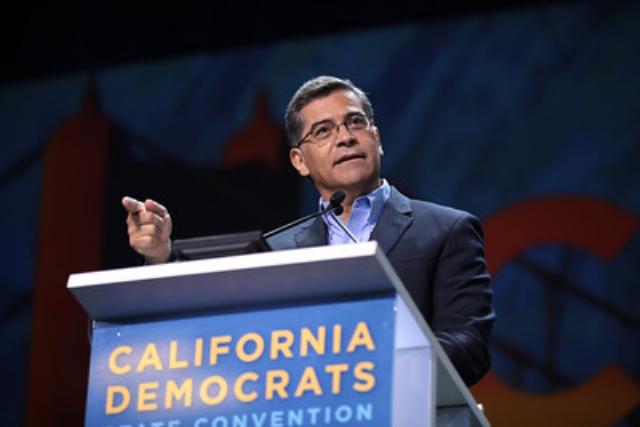
Image: Xavier Becerra. Credit: Gage Skidmore via Flickr, CC BY-SA 2.0.