
Few people in American politics stood closer to Donald Trump than Kimberly Guilfoyle. She led fundraising for his 2020 campaign, was engaged to his eldest son for years, and was hailed by the president as a friend of long standing. Very recently, the White House announced it had asked Ambassador Guilfoyle to resign. Trump’s explanation was blunt: “I didn’t like what I read.”
Read more Rep. Ilhan Omar says “Not to my knowledge’ when asked if she married her brother
What he read were reports alleging that Guilfoyle traded on her closeness to the Trump family, including a donor’s claim that she pressed him to pay off a $100,000 American Express bill while awaiting Senate confirmation. The State Department’s inspector general is reviewing the allegations. Guilfoyle denies them, and she deserves the presumption of innocence. But the president did not wait for a verdict.
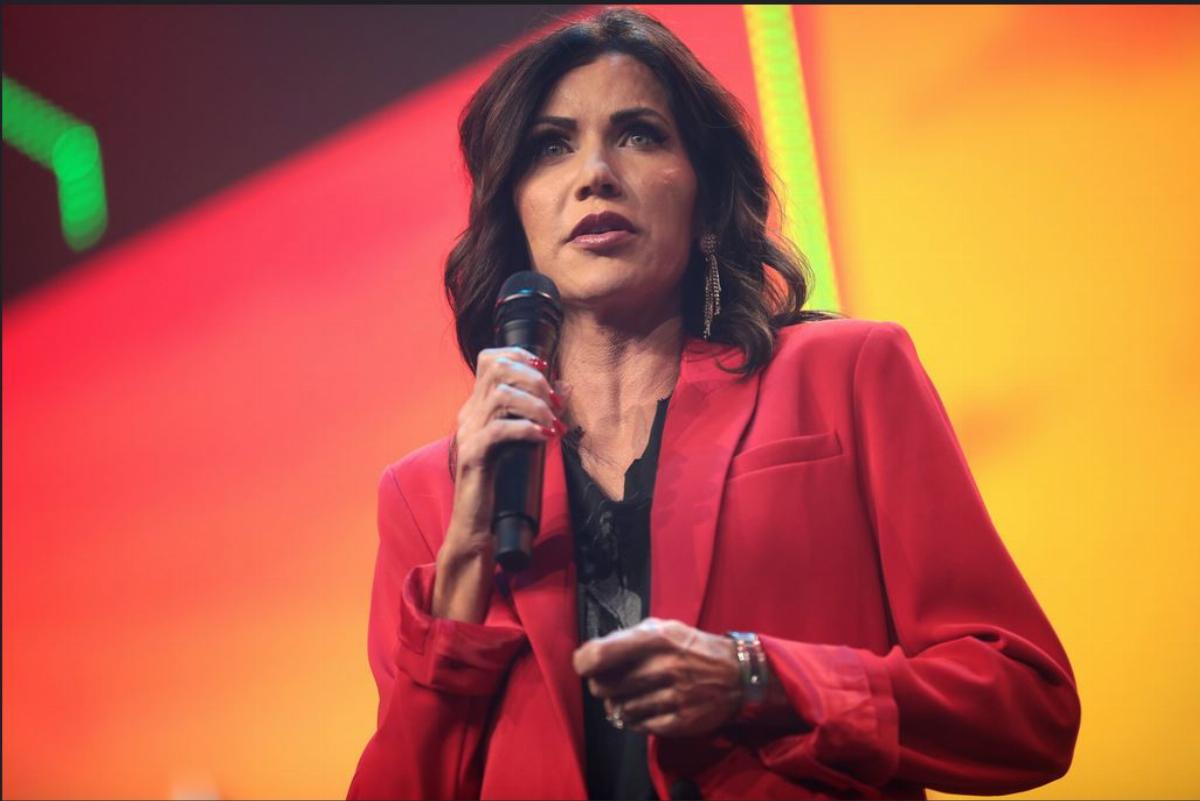
He had done the same to Kristi Noem in March. Noem was among Trump’s most combative defenders and the face of his border crackdown at Homeland Security. Then came the deaths of two U.S. citizens at the hands of federal immigration agents in Minneapolis, a $220-million advertising campaign featuring the secretary herself, and Senate testimony claiming Trump had approved those ads, which he disputed. On March 5, Trump replaced her with Sen. Markwayne Mullin.
Then the pattern repeated. Katie Zacharia, the new press secretary who announced Guilfoyle’s ouster at her first briefing, was herself ousted after five days, once it emerged that she had repeatedly described herself as a lawyer though she was never licensed to practice; she acknowledged failing the California bar exam and never retaking it. Trump called her “a very nice person” and blamed “very unfair” coverage. His affection did not keep her at the podium, which speaks for the nation, not for him.
Guilfoyle and Noem were fiercely loyal, and Zacharia was warmly liked. All three were shown the door. The pattern reveals something most commentary about this president misses.
The caricature holds that Trump values only loyalty to Trump. He does demand personal loyalty, more intensely than most leaders. But these cases show a second ledger running alongside the first: loyalty to the country and to the public trust that comes with serving it. Personal devotion buys entry into Trump’s circle. It does not buy protection once a person’s conduct, or the public’s perception of it, becomes something he cannot defend before the nation.
Notice that neither Noem nor Guilfoyle was disloyal to him. Both remained publicly devoted, and both were removed anyway. In foreign policy, Trump works from the premise that there are no eternal allies, only unpaid bills. The same transactional clarity governs his own team. When I wrote about Noem’s departure, I called it a tactical failure rather than a moral one: She had become a distraction from the work. A loyalist who becomes a liability to the country has stopped serving the mission, however devoted she remains to the man.
Read more Trump’s tariffs and the American economy
Presidents who kept only the first ledger paid dearly. Ulysses S. Grant declared, “Let no guilty man escape” when the Whiskey Ring scandal broke in 1875, then testified on behalf of his implicated private secretary. Warren Harding’s loyalty to his friends produced Teapot Dome, which sent his interior secretary to prison.
Others learned to keep both ledgers. Dwight Eisenhower insisted, “I need him” when his chief of staff, Sherman Adams, was caught accepting gifts from a businessman in trouble with regulators; within months, Adams resigned. Barack Obama stood by Veterans Affairs secretary Eric Shinseki, a decorated general he respected, until the hidden wait-list scandal made his position untenable in 2014. Trump himself, in 2017, said he was “not happy” about Health secretary Tom Price’s private charter flights, and Price was gone within days.
A fair critic will say Trump has also removed officials for disloyalty to him personally, such as FBI director James Comey and Attorney General Jeff Sessions, and that Noem’s soft landing as a special envoy hardly looked like punishment, though that post has since ended, leaving her a State Department adviser. Those points refine the argument rather than refute it. Neither Noem nor Guilfoyle crossed Trump. Both were removed because the public, through its press and Congress, had judged their conduct incompatible with public service. A soft landing is still a removal from power.
For anyone serving this president, the lesson is plain: Proximity is not immunity. Devotion to Trump is the price of admission, not a license to embarrass the country he leads. The harder question is consistency, since both women survived early reports until coverage made them indefensible.
Still, a leader willing to cut loose his closest allies when they become a burden to the nation offers something Grant and Harding never did: proof that, at the breaking point, America comes first.
Read more The Blank Stares Of America’s Future
 Flickr, CC BY-SA 2.0.” class=”wp-image-7776″ width=”640″ height=”427″ />
Image: Kristi Noem. Credit: Gage Skidmore via Flickr, CC BY-SA 2.0.