
What President Donald Trump called “the biggest oil deal in world history” when it was announced last week is not the only highly favorable deal his administration has made with the “interim authorities” in Venezuela. Last May, it was announced that the global commodities firm Mercuria Energy Group had secured outtake agreements covering much of Venezuela’s extensive mineral holdings. Gold grabbed the headlines, but nickel, aluminum, coltan, and other critical minerals essential for electric vehicles, artificial intelligence, and modern defense systems are the real strategic gains to ensure more secure supply chains for American manufacturing. While private capital is essential for developing these resources, the true direction is coming from the U.S. government to make sure our country benefits. This is the purpose of the National Energy Dominance Council created by President Trump with an eye on the rivalry for control of global resources that is driving plans in Beijing and Moscow as well as in Washington. The Treasury Department will exercise oversight of all transactions.
Read more Democrats write Republican campaign commercials
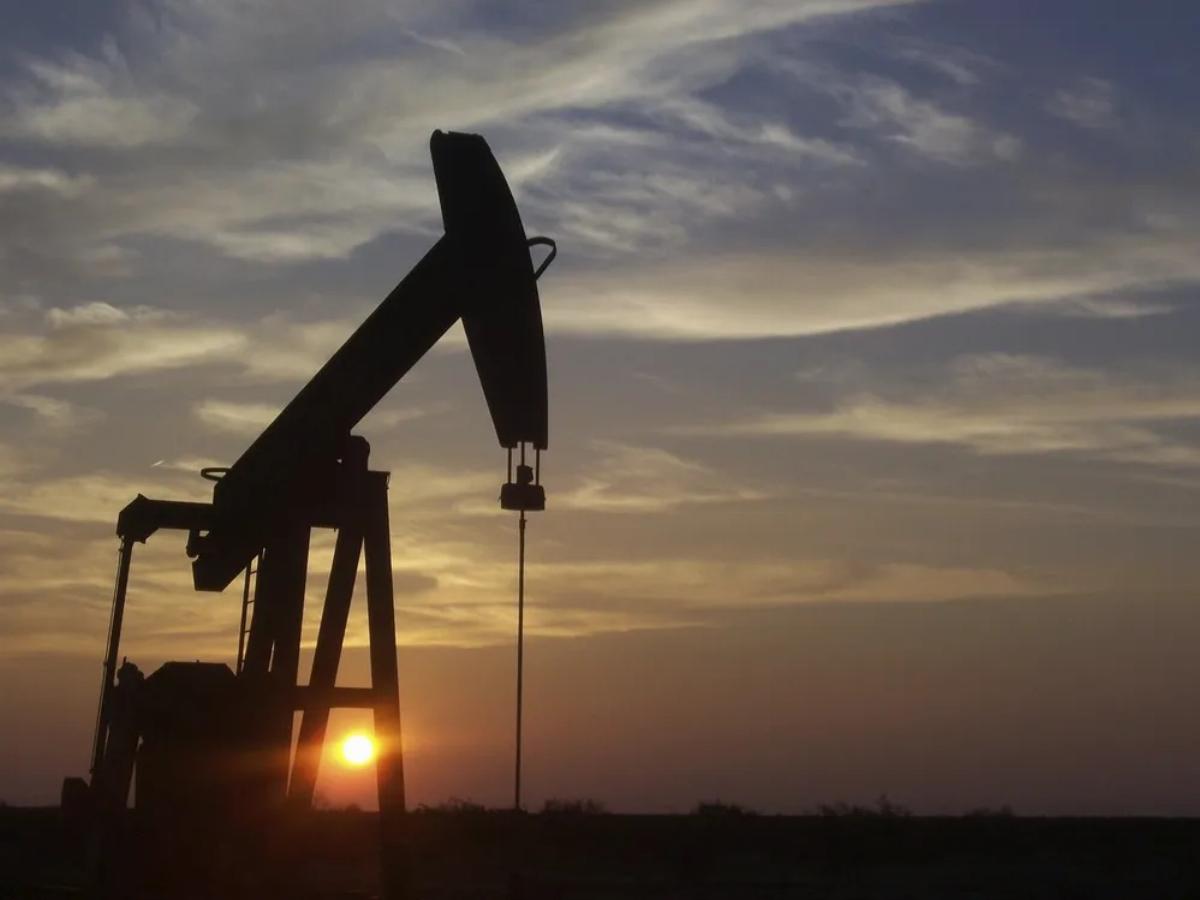
The oil deal with Venezuela takes this oversight even further. Under the agreement, North American Blue Energy Partners (NABEP), a privately held oil company that is the second-largest private Venezuelan oil producer, was given a 100-year concessions for 17 oil fields with proven reserves of approximately 65 billion barrels. In turn, NABEP “granted the U.S. Department of War’s Office of Strategic Capital a 35% equity stake in its corporate parent, representing up to hundreds of billions in value and dividends for the United States.” This is called “golden shares” and has been common in many other countries to secure strategic assets for the national interest. Golden shares give governments veto power over corporate actions that could jeopardize economic or national security or move productive assets out of the country and into foreign hands. President Trump first used this measure in the merger of U.S. Steel and Nippon Steel to mandate that American steelmaking capacity would not be moved overseas.
Golden shares have been denounced as “protectionist” by globalists who want the freedom to operate without regard to national consequences. However, we have experienced the grim decades when the globalist ideology held sway in Washington, and huge sections of the nation’s industrial base were allowed to be moved overseas. We became dependent on untrustworthy “others” and hamstrung in mobilizing in a crisis. We are in dire need of “protectionism” both to rebuild core capabilities and create new ones. Foreign governments also complain that their interests are harmed, as China has done in regard to the Venezuela oil deal. But the U.S. government is properly concerned first and foremost with the protection of national interests. Given the rivalry between America and China, Beijing’s objections are only another indicator of the success of President Trump’s policies.
It will take years to rebuild Venezuela’s oil production after decades of socialist mismanagement and neglect of even basic maintenance. At its pre-socialist peak, Venezuela produced three million barrels a day (up from the current 1.3 mbd). Given the country’s vast reserves, the $100 billion that NABEP plans to invest should push beyond its former glory and make Venezuela one of the top ten national producers on a par with (and a potential replacement for) Iran.
On September 2, Secretary of Energy Chris Wright was in Venezuela to oversee the signing of additional energy agreements with Chevron, Eni, and GE Vernova that will “expand oil production, unlock billions in private-sector investment, and modernize Venezuela’s electric grid.” This last infrastructure initiative is particularly important in supporting growth in a country with high potential that has been crippled, not just by socialism but by the corruption it breeds as a substitute for productive enterprise.
Read more Labor Day’s unsung hero: Work
Venezuela’s sad decline has been a perfect example of the actual, as opposed to the ideological, consequences of Marxist theory, which never gave the Left any credit for building anything. The “revolution” only seizes what was built by others (capitalists) and then divides it up more “fairly.” Nothing is said about running the plundered industries, let alone growing them with innovative technology and further investment. Those are the mundane tasks of capitalists in getting the job done and thus beneath the contempt of the enlightened.
The Democratic criticism of President Trump’s triumph in Venezuela is more than just the normal partisan jeers. It is basically a socialist argument that even its supposedly moderate leaders have not had to be pressured by the Democratic Socialists of America faction to recite. Sen. Tim Kaine (D-VA), a leading party spokesman who serves on the Senate Foreign Relations Committee, claimed the Venezuelan deal will “pad the pockets of Trump family and Big Oil companies and delay transition to cleaner energy.” “Bottom line” he continued, “Using our troops for a private oil grab is corruption at epic scale!” So, the return of private investment to rebuild Venezuela’s oil production only helps the developers, not their customers or the economies people live in. It is as if oil executives drink the fuel rather than pump it into the market. But like any business, profits are only earned when something is produced that people want and need. And as the disruption of oil shipments through the Strait of Hormuz has shown, we need more oil in the system.
Yet, making oil more affordable by increasing supplies is called a bad thing by Democrats even as they try to use high gas prices and affordability as their main campaign issue for the midterms. Voters should note that the Democrats have no interest in lower energy prices. One need only compare gas prices, which are higher in Blue states than Red states. The Democrats raise taxes and curtail supplies in “their” States to discourage fuel use in a vain effort to force people to buy cars they do not want or simply do less driving. Lowering living standards is a key Green goal, and socialism is the proven way to do it.
The core attributes of any energy source are reliability, cost, and security. Gaining control of Venezuela’s vast oil reserves advances each of those attributes for the benefit of America and Americans.
William R. Hawkins is President of the Hamilton Center for National Strategy. A former economics professor, he has worked for several Washington think tanks and on the staff of the U.S. House Foreign Affairs Committee. He has written widely on international economics and national security issues for both professional and popular publications, including the Army War College, the U.S. Naval Institute, and the National Defense University, among others.
Read more AI: Paradise lost or found?
Image: RawPixel.com