
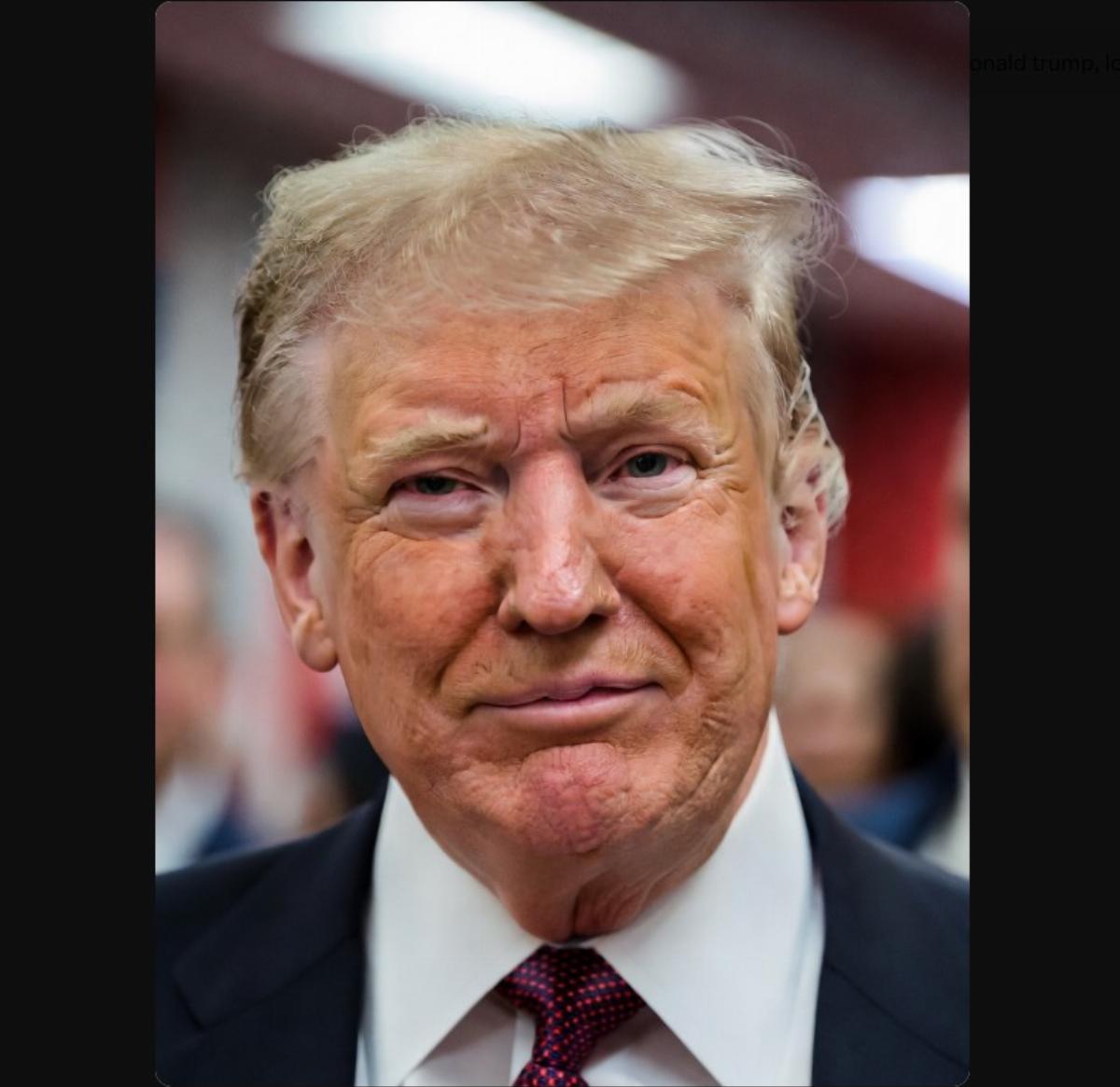
On June 17, President Donald J. Trump announced a framework agreement with Iran that extends a shaky ceasefire for another 60 days, lifts the U.S. naval blockade on Iranian ports and the Strait of Hormuz, and lets oil exports resume.
Read more Taking the Founders on their Own Terms: Eric Metaxas’s Revolution:
The deal entails Iran starting to dilute some highly enriched uranium stockpiles. It also features limited sanctions waivers from Uncle Sam. Bigger disputes like the full Iranian nuclear program’s fate and the Islamist theocracy’s ballistic missiles were pushed into that two-month negotiating window.
Trump hailed the deal as a great success. It pauses a series of battles that have raged since Feb. 28. However, anyone paying attention knows this kind of paper agreement with Tehran is unlikely to last.
This timing screams midterm season stunt.
With November elections looming and the generic congressional ballot razor-thin, the pause delivers quick, visible relief to help Republicans gain ground. It calmed oil markets right when prices were hurting key swing and low-propensity voters.
Trump defended his deal plainly at the G7 in France, saying he stepped in because “I didn’t want to see economic catastrophe. If you kept this going, that could have happened.” The conflict had already driven up energy costs and rattled supply chains, jolting already-persistent inflation.
Reopening the Strait dropped oil prices fast and rallied stocks. That kind of pocketbook win lands with voters who care more about their cash than Mideast conflicts, however pivotal these may be for America herself.
A Quantus Insights poll of likely voters right after the announcement captured the immediate popularity: 56 percent approved the Iran deal, including 43 percent strongly, while just 13 percent disapproved. Seventy-four percent liked the condition that Iran must surrender or destroy its enriched uranium stockpile.
For midterm math, this buys goodwill among Americans tired of disruption. It makes “vote blue no matter who” less attractive when people feel economic breathing room, with the clamor of military engagement dialed down.
Yet the bigger economic picture remains ugly.
Trump’s approval on the economy hit a record low of 33 percent approve, 60 percent disapprove in a June Marist poll for NPR/PBS. That is the worst mark tracked since 2019. Many voters still blamed lingering high gas and food prices on the conflict’s fallout. An April Economist/YouGov survey showed Democrats trusted more on the economy overall, 40 percent to 34 percent for Republicans.
These numbers explain the urgency: Republicans needed a win to blunt, or even reverse, that damage heading into fall.
Fortunately for the GOP, Democrats offer no real alternative. A Quinnipiac University poll from last July showed their congressional approval at rock-bottom. Only 19 percent approved, 72 percent disapproved, the lowest in 16 years. Even their own voters gave them just 39 percent approval. There is no reason to believe things have improved for the blue team.
In this toxic environment, both sides look bad. A deal that lowers energy costs and pauses American military action gives Republicans an appreciable chance in tight races.
The Forbes/HarrisX poll from late May to early June showed exactly how close it is: Democrats led the generic congressional ballot 46-45 among likely voters. One point. That margin is far better for Republicans than it was in 2018. Of course, the party in the Oval Office typically tumbles halfway through its term. Therefore, at a time like this, every shift in voter sentiment matters.
A short-term economic calm from reopened oil flows could be the difference in holding the U.S. House. Is Trump’s deal smart politics? Yes, in this volatile yet winnable midterm environment. Sustainable peace? Almost certainly not.
Read more Democrat Weaponized Narratives
The “indivisibility problem” makes real progress impossible. You cannot separate oil exports and sanctions relief from Iran’s nuclear breakout capability, ballistic missiles, and proxy armies like Hezbollah, which plagues Lebanon while striking Israel. The 60-day window just kicks the can down its battle-ravaged road.
Iran no doubt views this as a chance to regain economic strength and rebuild, not surrender its core weapons programs. Israeli self-defense operations in Lebanon already risk fresh sparks that could blow up any prospect of peace. History shows these pauses with the Iranian regime collapse under their own weight, because Tehran is never negotiating with goodwill.
Even powerful Republican voices are sounding the alarm.
Senator Bill Cassidy of Louisiana, a staunch Trump opponent and a nominal Republican, called the deal potentially “the worst foreign policy blunder in decades.” Sens. Ted Cruz of Texas and Roger Wicker of Mississippi are far friendlier with the president. They criticized the sanctions relief and talk of hundreds of billions in reconstruction support, warning that Iran would just redirect the money toward nuclear and military rebuilding.
MAGA voices make the GOP base’s sentiment clear. A Reagan Institute survey found 51 percent of self-described MAGA Republicans want the U.S. to pursue regime change in Tehran, compared to only 25 percent who support Trump’s negotiated path. Among broader Republicans it was almost identical. 50 desire percent regime change, while only 25 percent want a deal.
The GOP core, despite its unyielding personal loyalty to Trump, understands the Iranian regime cannot be trusted to keep any bargain.
As for the broader American public, it never backed the Iranian conflict. A Pew Research Center poll, taken weeks after hostilities began, showed 61 percent disapproved of how the Iran situation was being handled. There was broad worry about costs, escalation, and unclear goals. Six-in-ten saw the strikes and blockade phase as the wrong direction.
That unpopularity created pressure for some off-ramp. Trump delivered one that protects short-term economic interests and gives voters a sense of ease before they cast ballots.
This is the reality of midterm-season statecraft.
The deal is well-intentioned in trying to prevent deeper economic damage while delivering immediate relief on energy prices. It creates a narrative of decisive leadership that appeals beyond the GOP base to worried swing voters. It also caters to low-propensity voters who dislike Democrats, but disfavor Trump, yet are needed by Republicans in close races.
Democrats limp into November with historically terrible approval numbers. Their polling edge is paper-thin. It may vanish if gas prices stay lower, the stock market surges, and a disfavored military conflict remains on ice. For Republicans fighting to keep Congress, the short-term political and economic upsides to Trump’s deal are obvious and rational.
However, let’s not kid ourselves about the long run.
Iran has never honored the very concept of a peace agreement. The Islamist regime’s fanatical ideology, bloodthirsty proxies, and nuclear dreams make collapse almost inevitable. There need not be valid reasons for Tehran to bail, as its longstanding track record evinces. Trump’s deal buys valuable economic relief for American families, and affords Republican candidates with political gold, but it does not solve the Iranian threat.
In a tight election year, leaders sometimes take the pragmatic pause that delivers results today even when the deeper dangers remain. Voters can see the difference at the pump and in their retirement accounts right now. Whether that temporary calm lasts long enough to matter in November is the political question. The strategic reality is harder. Without fundamental change in Iran, President Trump’s deal will almost certainly self-destruct, in horrific fashion.
Americans deserve clear-eyed realism about both the short-term gains and the long-term risks.
Dr. Joseph Ford Cotto is the creator, host, and producer of News Sight, delivering sharp insights on the key events that shape our lives. He publishes Dr. Cotto’s Digest, sharing how business and the economy really impact us all. During the 2024 presidential race, he developed the Five-Point Forecast, which accurately predicted Donald Trump’s national victory and correctly called every swing state. Cotto holds a doctorate in business administration and is a Lean Six Sigma Certified Black Belt.
Read more The Denver Post’s Wolf Pup Problem
Image: Grok, ai-generated illustration