

To encourage investment in wind power, the UK government agreed to pay for available renewable generation that included both delivered and curtailed energy. Curtailment of energy occurs when supply exceeds demand or transmission capacity is maxed out. Any time available renewable generation exceeds demand, UK ratepayers are on the hook to purchase the curtailed electricity.
Read more The judicial resistance fails again
Compounding the problem, dispatchable thermal generators must be ready to pick up the slack when renewable energy wanes. As the capacity factor, a measure of utilization, of a thermal generator decreases, its capital cost is spread over fewer hours of operation, driving up its price per kilowatt-hour.
Read more California announces gay ‘certification’ program
Until recently, this double whammy was not obvious to UK ratepayers. Now it is getting a bit too big to ignore. Curtailed wind generation has increased steadily from 2022 (reaching 13% of available wind generation in 2025) with little discernable increase in delivered wind generation—see Figure 8 on page 14 of this government document. Meanwhile, the UK continues to steadily expand its wind power capacity (see Figure 1 below). We are witnessing an increase in the capital cost of wind power without increasing delivered energy. Will Rogers once said, “If you find yourself in a hole, stop digging.” I suggest the UK follow his advice.
Read more Gavin Newsom, the $347 million ‘behested gifts’ man
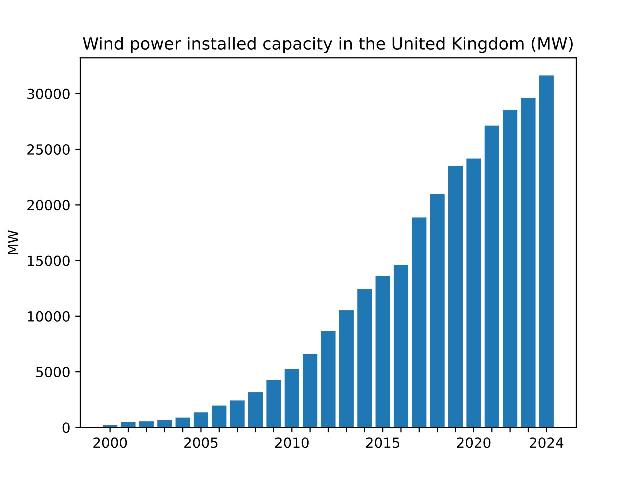
Figure 1: MTheiler, CC BY-SA 4.0, via Wikimedia Commons, unaltered.