

Politicians routinely enrich themselves through public office. Donald Trump stands apart, with a documented history of forgoing personal financial windfalls to deliver tangible benefits to everyday Americans. Whether donating his presidential salary, redirecting massive legal claims into citizen relief funds, or leveraging his business expertise to rescue failing government projects on time and under budget, Trump has repeatedly demonstrated a willingness to act at his own direct or indirect expense. This stands in stark contrast to the records of recent Democrat presidents, who, despite their philanthropic gestures, showed no comparable pattern of personal sacrifice tied to public service.
Read more In the TDS Trenches with Andrew Sullivan
Forgoing Personal Gain for the Greater Good
During his first term, Trump donated his entire $400,000 annual presidential salary, totaling roughly $1.6 million over four years, to various federal agencies and causes. Quarterly donations supported the National Park Service, Department of Veterans Affairs, Department of Education, and others. He has continued this practice in his second term. Unlike most politicians who treat the salary as standard compensation, Trump framed it as “working for free,” echoing independently wealthy predecessors like Herbert Hoover, but executing it with public transparency.
The recent IRS settlement provides a high-stakes example. Trump and the Trump Organization dropped a multi-billion-dollar lawsuit against the IRS over the unauthorized leak of his tax returns. Instead of pursuing personal damages potentially exceeding $10 billion under statute, the settlement redirected resources into an Anti-Weaponization Fund exceeding $1.7 billion for victims of government lawfare. Trump received zero direct payout, asking for and receiving only an audit waiver for pre-settlement years and an official apology. Trump prioritized persecuted citizens, including January 6 defendants and others targeted by the prior administration, over personal enrichment. The fund’s text includes no partisan restrictions or requirements, opening it to qualifying claimants regardless of politics.
Trump’s pre-presidency business record reinforces this theme. He has long argued that his deal-making skills and operational expertise deliver results where government bureaucracy fails.
Rescuing Public Projects Through Private Expertise
The Wollman Rink saga in New York City’s Central Park remains one of the clearest illustrations. By the mid-1980s, the iconic skating rink had become a symbol of government incompetence: closed for six years, with costs ballooning past $12 million and no completion in sight. Trump stepped in, offering to fix it at his expense within six months in exchange for operating rights to recoup costs. He completed the project in four months, two months ahead of schedule, at $1.95 million, roughly $750,000 under the agreed budget. He convinced contractors to work without profit for the publicity value and used the savings to further enhance the facility. Profits from operations were donated to charities, including United Cerebral Palsy and AIDS-related causes during the height of the epidemic. The rink, long a money-loser under city management, became profitable and served far more visitors.
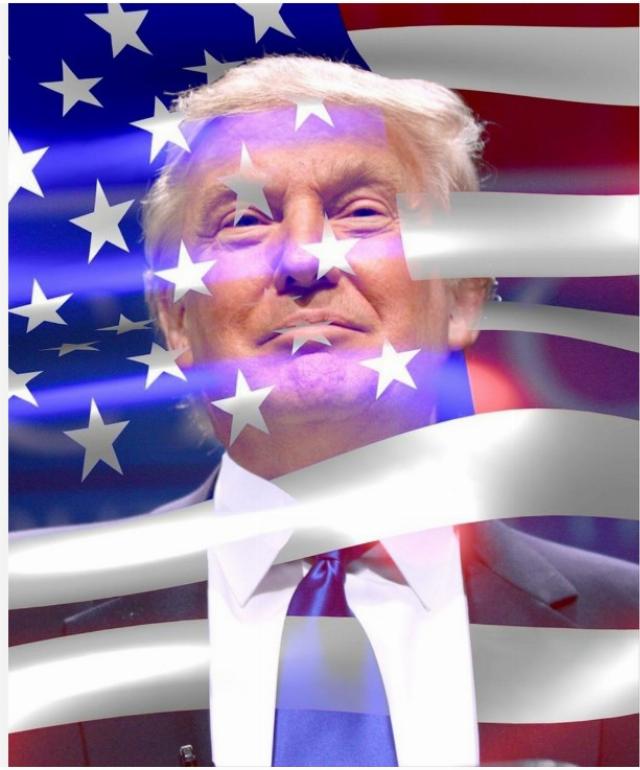
These cases showcase Trump applying private-sector discipline: cutting red tape, securing competitive expertise, and delivering results that benefit the public without endless taxpayer waste. Critics often focus on operating concessions or branding, downplaying the net public benefit while accusing Trump of indirect gains. Yet if such benefits to Trump are real, tangible, and valuable, one must ask: why haven’t Democrat presidents made similar attempts to leverage personal expertise or forgo windfalls for direct citizen relief? The absence suggests either an incapability to execute, ignorance of the opportunity, or a myopic inability to center individuals in decision-making. In other words, for them, governing and government processes remain the focus, with benefits to individuals always contingent and downstream of bureaucratic machinery rather than pursued directly and boldly.
It is precisely this orientation, this results-first philosophy prioritizing people over process, that enabled Trump to champion targeted relief like no taxes on tips, no taxes on Social Security benefits, and no taxes on overtime pay. It drove his first-term prison reform via the First Step Act, which delivered sentencing reductions and rehabilitation opportunities for thousands. In his second term, it fuels aggressive drug pricing reforms aimed at lowering costs for Americans. Contrast this with Bernie Sanders, who famously organized attention-seeking bus tours taking seniors to Canada to buy cheaper prescription drugs: highlighting the problem without ever fixing it at the source, constrained by laws against private importation, that he and his party could have changed. It’s not the mechanics that matter most. It’s the orientation.
Read more Progressives Use Marxist Communication Techniques To Keep Power
A Contrast with Democratic Predecessors
Recent Democrat presidents lack this pattern of direct personal financial forbearance for citizen benefit. Joe Biden drew his full salary and reported modest charitable giving (typically 3-5% of income), with no full donation of presidential pay or redirection of large personal claims.
Barack Obama did not donate his presidential salary. While he gave away his entire $1.4 million Nobel Peace Prize to charities, including veteran housing, education for underserved groups, and Haiti relief, this was a one-time award, not ongoing sacrifice from official compensation. The Obamas’ broader giving increased with book deals, but it remained standard high-income philanthropy.
Bill Clinton drew his salary without similar donations. Post-presidency, the Clinton Foundation raised billions for global health and development, with the Clintons drawing no salary from it. This leveraged influence for causes but involved no equivalent “eschewing personal windfall” during or immediately tied to office. Critics have raised questions about donor access, distinguishing it from Trump’s model of forgoing claims or salary outright. Moreover, the foundation has its own allegedly scandal-ridden history.
None matched Trump’s high-profile salary donations, project rescues, or large-scale claim redirections. Democrat administrations advanced policies through government spending and partnerships, but the personal expense narrative, billionaire working for free or subsidizing others, remains distinctly Trump’s.
Why It Matters
In Washington, self-interest usually prevails. Trump’s approach, whether fixing a rink, funding lawfare victims, or streamlining D.C. landmarks, challenges that norm. Media often frames these as self-serving, yet the outcomes speak louder: completed projects, saved taxpayer dollars where possible, and relief for citizens where Congress fails. As Trump continues emphasizing efficiency and accountability, this pattern underscores a core appeal: a leader willing to redirect resources and expertise toward Americans rather than personal accumulation or endless process.
Tangible results over rhetoric and performative actions prove the ultimate measure of a person to the electorate.
Read more Trump’s Doing Great Things for the Economy. Why Won’t GOPers Say So?
Image: Pixabay