
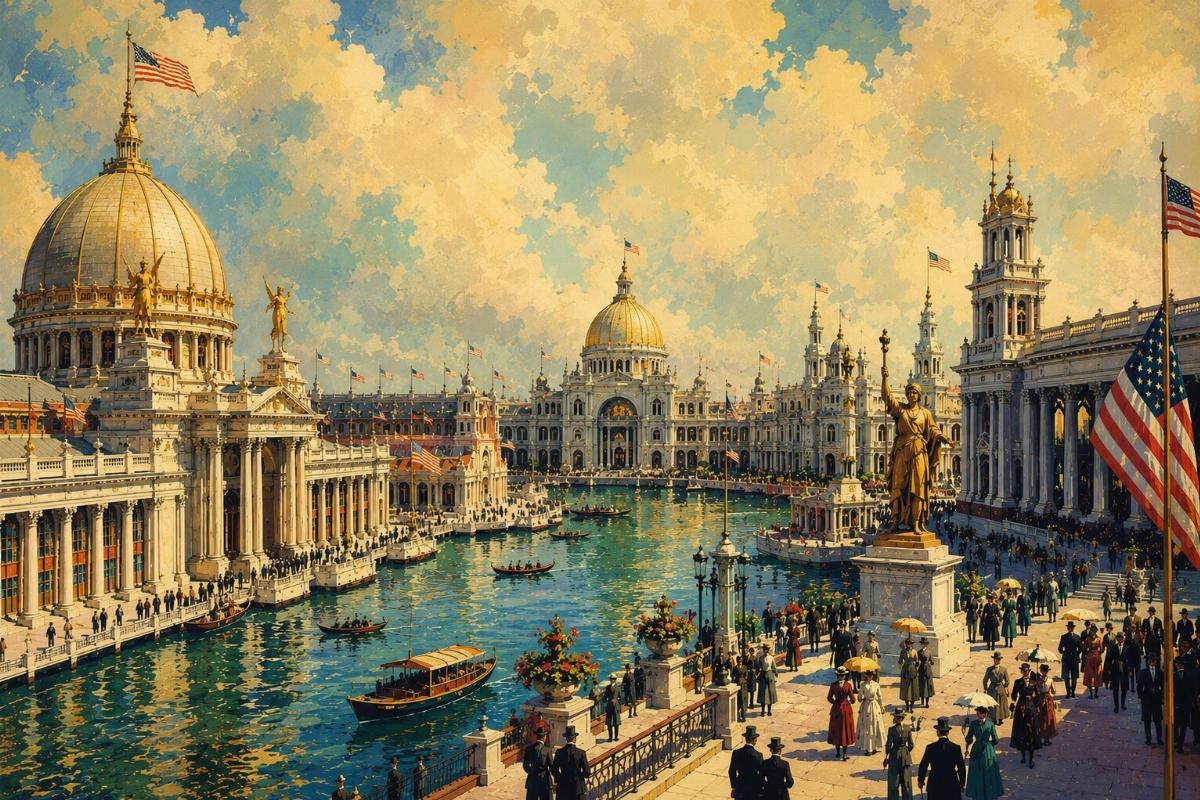
One of the strangest developments in modern America is that we’ve become comfortable living among ugly things.
Read more Minnesota Gov. Walz says of serial pedophile rapist: We shouldn’t ‘all be judged by our worst day?’
Drive through almost any city. Strip malls. Concrete boxes. Graffiti-covered underpasses. Vacant storefronts. Littered streets. Neighborhoods that look as though no one has loved them in decades. We’ve become so accustomed to visual decay that we barely notice it anymore, but we should.
Beauty isn’t a luxury. It’s part of civilization.
Conservatives spend a great deal of time talking about economics, taxes, border security, crime, education, and the Constitution. Those conversations matter. But we rarely talk about beauty, even though beauty has always been one of the first casualties of cultural decline.
A society’s values are reflected in what it builds.
Walk through Charleston, Savannah, or parts of Washington, D.C., and you’ll find buildings designed to inspire. You will see churches that were built to lift your eyes upward, courthouses that evoke a sense of dignity and reverence, and public squares that encourage people to gather. Architecture wasn’t merely functional; it communicated permanence, order, and civic pride.
Today, we often settle for structures that communicate none of those things. We build quickly, cheaply, and without much thought for the people who must live among them.
That mindset eventually spreads beyond architecture.
When communities stop valuing beauty, they often stop valuing maintenance. Sidewalks crack. Parks deteriorate. Historic buildings disappear. Public spaces become places people avoid rather than enjoy. I’ve spent enough time working in nonprofit organizations and underserved communities to know that environment shapes behavior. People are more likely to protect places that appear cared for. Children notice when adults invest in their neighborhoods. Pride has a way of becoming contagious, but so does neglect.
This isn’t simply about aesthetics. It’s about stewardship.
Conservatives rightfully preach on personal responsibility, but responsibility extends beyond paying bills and obeying the law. It also includes taking care of the places we inherit and improving them for the people who come after us. Previous generations presciently understood this.
They planted trees whose shade they would never sit beneath.
They built churches they knew their grandchildren would worship in.
They constructed libraries, schools, monuments, and town squares with the expectation that those buildings would still matter a century later.
That kind of thinking has become increasingly rare.
Too much of modern culture is temporary. Temporary buildings. Temporary values. Temporary relationships. Temporary communities.
Read more Trump: US elections are riddled with foreign and domestic fraud
We renovate our phones every two years but neglect the neighborhoods we’ve lived in for decades.
Beauty requires patience. It requires craftsmanship. It requires people willing to think beyond themselves. Perhaps that’s why it has become unfashionable.
A civilization obsessed with speed rarely creates lasting beauty.
This is where conservatives have an opportunity. Conservatism, at its best, is about conservation. We conserve traditions, institutions, history, and the accumulated wisdom of previous generations. Why shouldn’t we also conserve beauty?
That doesn’t mean freezing America in time or rejecting every modern design. It means recognizing that beauty serves a public purpose. Beautiful parks invite families outdoors. Beautiful churches elevate worship. Beautiful civic buildings remind citizens that public service carries dignity. Beautiful neighborhoods foster ownership rather than abandonment.
Human beings are shaped not only by laws but also by the environments in which they live. If we want stronger families, healthier communities, and greater civic pride, perhaps we should care a little more about what surrounds us every day.
A society that values beauty understands objectivity, and therefore, values excellence. A society that excuses ugliness often begins excusing other forms of decline as well.
The conversation isn’t really about buildings.
It’s about standards.
America became exceptional because generations before us believed certain things were worth doing well. They built roads, bridges, schools, homes, churches, and monuments that reflected confidence in the future.
We should recover that confidence, not because beautiful buildings solve every problem, but because civilizations that stop creating beauty often stop believing they have a future worth building in the first place.
Read more Academia Embarrasses Itself…Again
Image generated by ChatGPT.