
When we read history books, the outcome of an event is obvious because it has already happened. That leads to thoughts such as, “Of course the British were going to defeat the Germans and win the Battle of Britain” (which took place in the summer of 1940 in the months immediately after Dunkirk); everyone knew that the Union army would decisively defeat Gen. Lee’s Army of Northern Virginia at the Battle of Gettysburg (July 1-3, 1863). However, while the event/battle/war is unfolding and is being contested, the outcome is far from certain.
Read more Venezuela quake rescue: Maduro needs a bunkmate
It makes me wonder what the oddsmaker would have given to anyone crazy enough to bet, back in 1775, that the Colonial Army would defeat the Brits. The odds certainly weren’t very good. When one considers the huge challenges facing the United Colonies in 1775 and 1776, Divine Providence is the only answer that explains how, in 2026, we are celebrating America-250. (The opening of the Declaration of Independence calls the country “the thirteen united States of America,” lower case “u,” first time that name was used.)
The impulse to declare independence didn’t suddenly appear in 1776. The King and Parliament had imposed ever harsher tyranny on the Colonies by maintaining a large standing army, quartering troops in people’s homes, and creating taxes designed, not only to raise revenue, but to punish the people. The Declaration spelled out the “long train of abuses and usurpations” that began as far back as 1764 and continued through the convening of the Second Continental Congress (CC) that first met in 1775, and convened again in 1776. (The First CC met in 1774 and passed the Articles of Association, which became effective Dec 1, 1774.)
In 1775, delegates to the Second CC met shortly after the battles of Concord and Lexington. That CC began to function as a de facto national government by creating an army (June 14, 1775), designated a national flag (June 14), appointed George Washington to command the Army (June 15); and established a Navy (Oct. 13) and Marines (Nov. 10). Also, they raised revenues, appointed diplomats, equipped the military (somewhat), and took on the duties and responsibilities of a legislative body. Still, when the CC delegates dispersed in late 1775, agreeing to reconvene in 1776, many wanted to reconcile with Great Britain instead of declaring independence.
Read more Europe’s Boiling Frogs
June 1776, when the CC delegates discussed independence, they knew it was an act of rebellion. Signing the Declaration was declaring their opposition to the Crown, which placed them in jeopardy should the rebellion fail, likely leading to their death or a long prison sentence. The delegates were a mixed lot — from different colonies and different backgrounds. Some were wealthy merchants, others were lawyers, some were farmers, others owned plantations; some would become well-known, most would not. They disagreed on many issues, but on the matter of Independence, they stood together. The last line of the Declaration is one of the most inspiring quotes in American history. “We mutually pledge to each other our Lives, our Fortunes and our sacred Honor.” All 56 present at that Continental Congress signed their names and put their lives, and the welfare of their families, on the line. In the vernacular of Texas Hold ‘em, they went “All In,” gambling everything up to and including their lives. The stakes could not have been higher.
To say that the journey from July 4, 1776 to the signing of the Treaty of Paris, Sept 3, 1783, was long and difficult is an extreme understatement. Having spent years in the infantry myself, and knowing the quality of our fighting soldiers, what those early Americans accomplished still leaves me utterly speechless. Enduring harsh conditions at Valley Forge, crossing the frozen Delaware River on Christmas Day, marching (oftentimes) barefoot on forced marches to engage a superior force — I have no idea how they pushed on, stayed motivated, and accomplished what they did. However, knowing the obstacles those brave men overcame and that they won a war against such tremendous odds continues to inspire soldiers up through today. The Continental soldiers set an example for the ages.
Returning to the signers of the Declaration, many of them paid dearly for opposing the King. Nine of them fought in the Revolutionary War and died from their wounds or from the hardships of battle. Twelve had their homes ransacked, burned, and destroyed. Five were captured and held prisoner. Two had sons killed in the war, another had two sons captured. Others, such as Carter Braxton, had their businesses and properties destroyed. Button Gwinnett, from Georgia, was killed the next year in a duel.
Today, we know the outcome of the Revolutionary War. In 1776, none of the delegates knew if the United States would prevail or how the story would end. However, they knew that freedom is worth fighting for, and, if required, worth dying for because the opposite is tyranny, which they were experiencing. The tremendous bravery shown by fifty-six ordinary men to sign their names, and to accept the risks of doing so, is one of the greatest collective acts of courage in American history. The Founding Fathers, and all those who supported independence, left a legacy for posterity. It is up to us, all future generations, to preserve the freedoms we inherited.
Read more LGBTQ ‘pride’ destroys another family
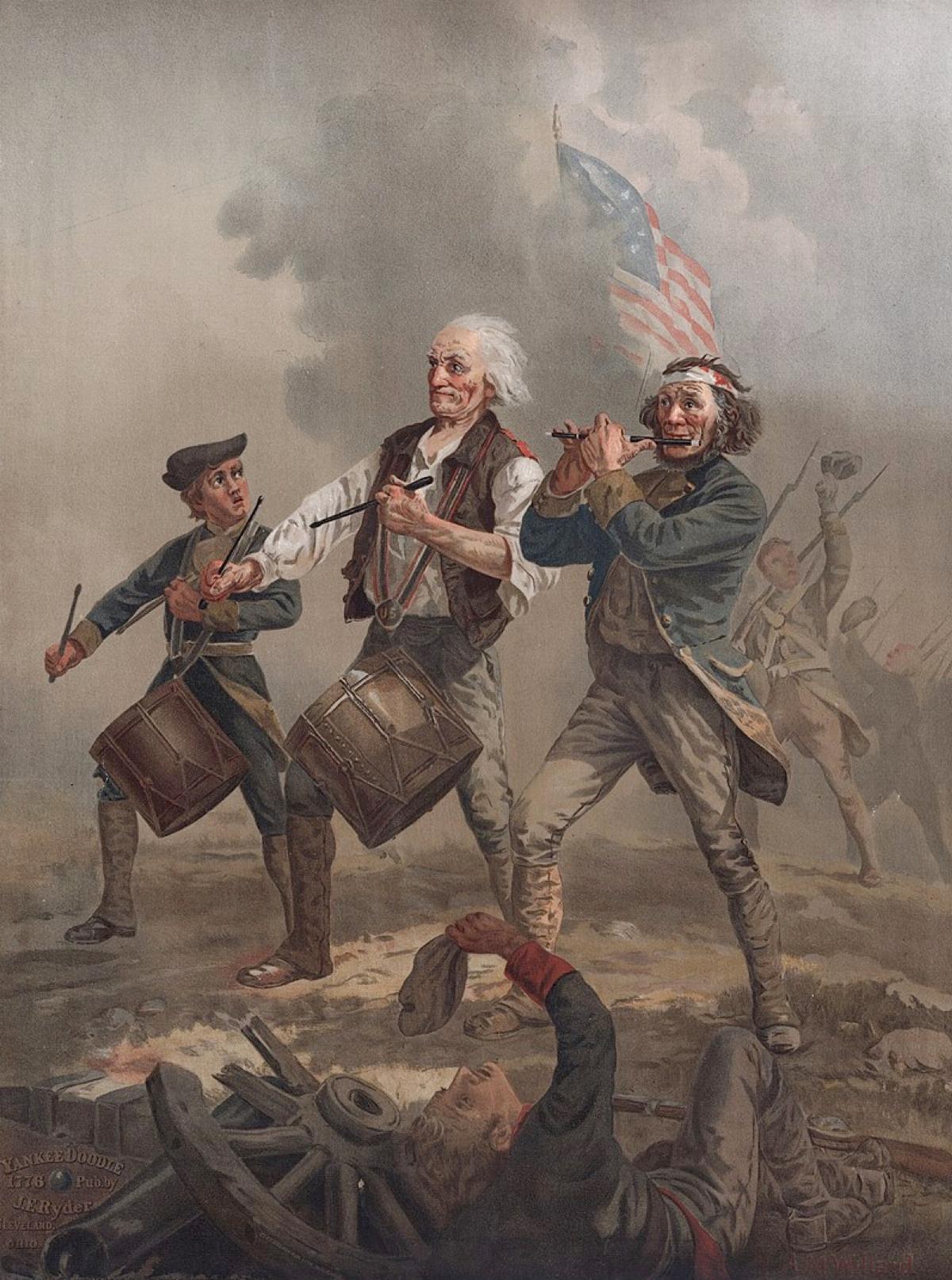
Image: Archibald Willard